First Nations chief disputes Carney’s account of discussions on abolishing the Indian Act
- (0)
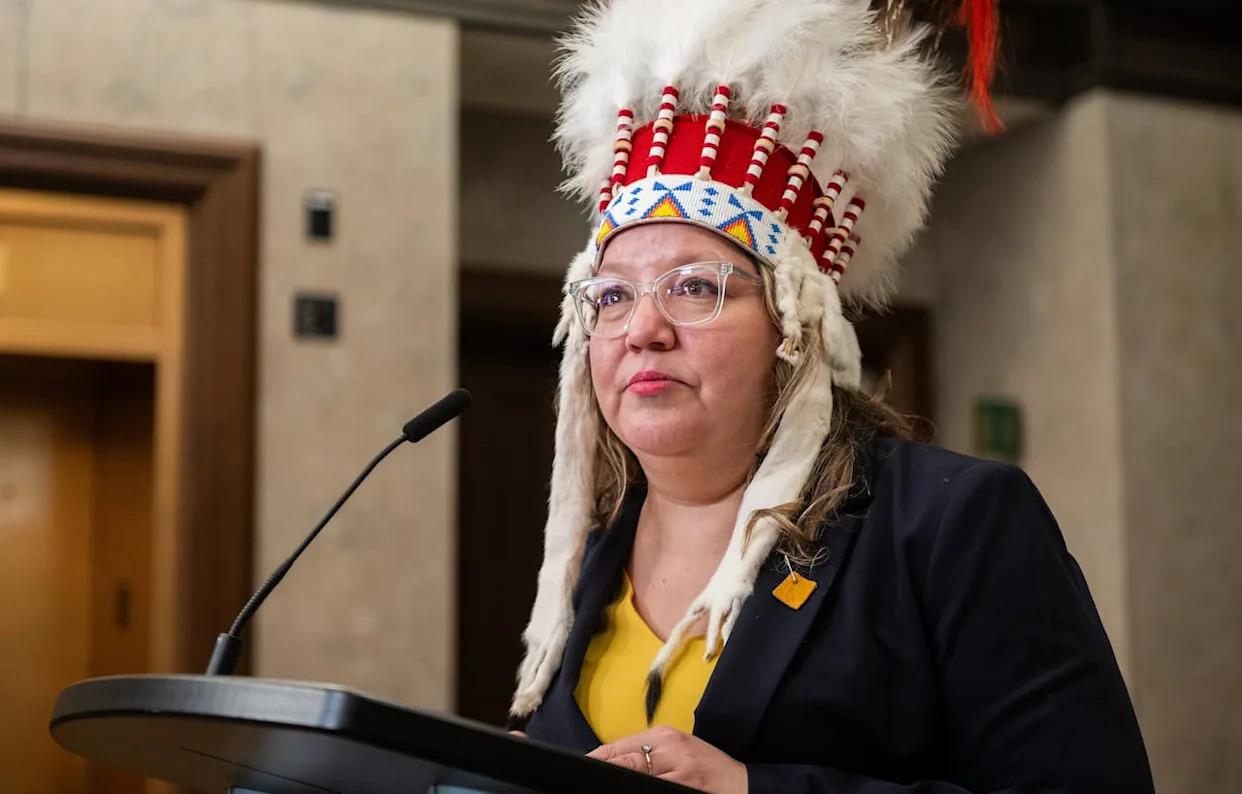
OTTAWA — Assembly of First Nations (AFN) National Chief Cindy Woodhouse Nepinak has challenged Prime Minister Mark Carney’s account of discussions surrounding the possible abolition of Canada’s Indian Act, raising fresh questions about federal-Indigenous relations and the government’s approach to First Nations rights.
Speaking on Tuesday, November 3, Woodhouse Nepinak said the proposal to abolish the legislation was raised by Carney and Manitoba Premier Wab Kinew during an October 26 meeting in Ottawa, rather than by the participating First Nations chiefs.
Kinew had advocated moving beyond the colonial-era legislation, while Carney subsequently expressed openness to reforming or potentially abolishing it.
Woodhouse Nepinak maintained that First Nations representatives had arrived prepared to discuss more immediate concerns, particularly federal major-projects legislation, Indigenous consultation, economic development and the protection of treaty rights.
The Indian Act, enacted in 1876, continues to regulate important aspects of First Nations governance, Indian status and reserve lands. Although widely criticized for its colonial foundations, changing or eliminating it raises complex questions about Indigenous sovereignty and federal responsibilities.
The disagreement comes amid growing tensions over Ottawa’s efforts to accelerate infrastructure and resource development. First Nations leaders have warned that economic initiatives must respect constitutional rights and meaningful consultation.