
Հոկտեմբեր 06, 2026
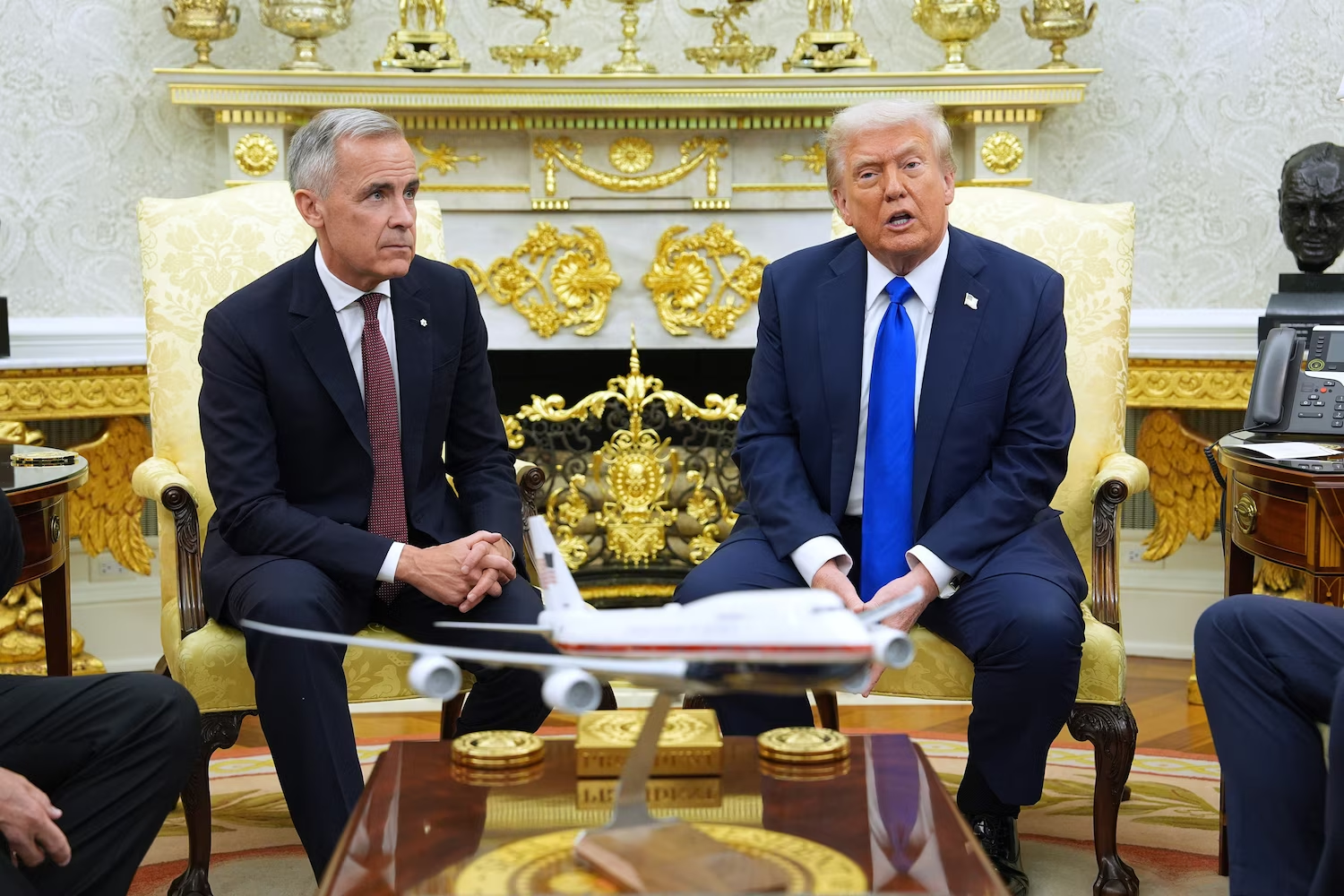
(Horizon Media / OTTAWA) – On July 20, 2026, U.S. President Donald Trump signed executive orders imposing massive 50 percent tariffs on a wide array of Canadian exports. Marking an unprecedented deployment of Section 338 of the Tariff Act of 1930, Washington’s move deliberately bypasses the established free-trade protections of the Canada-United States-Mexico Agreement (CUSMA). The duties are scheduled to take effect in exactly 30 days, creating a tight and highly pressurized window for bilateral negotiations.
The White House has drawn a distinct line between which sectors of the Canadian economy will face the heavy levies and which critical supply chains will remain untouched.
Targeted for the 50 percent duties are automotive vehicles and auto parts, dairy, alcoholic beverages, wood products such as plywood, and general consumer goods ranging from video game consoles to cement and hockey sticks. Exempt from these new tariffs are energy products, critical minerals, potash, fish, and goods already subject to previous sector-specific tariffs.
Washington justified the aggressive trade measure by citing what it described as discriminatory trade practices that unfairly burden American workers. The U.S. explicitly targeted Canada’s long-standing supply management system for dairy, alongside retaliatory quotas on U.S. motor vehicles that reportedly triggered a 22 percent drop in American auto imports over the last year. Furthermore, the U.S. administration pointed to the ongoing boycott of American alcoholic beverages by Canadian provinces, which Washington claims caused an 81 percent drop in alcohol imports.
Rather than folding under the economic pressure, Canadian leadership at both the federal and provincial levels is projecting a fiercely united front, making it clear that the nation will not be strong-armed.
Prime Minister Mark Carney immediately categorized the tariffs as a direct and unilateral violation of CUSMA. Following a phone call with the U.S. President, Carney noted that while both sides agreed to intensify negotiations in the coming weeks, Canada will not hesitate to flex its own leverage, stating the federal government is keeping all options on the table regarding a comprehensive retaliatory response.
Provincial premiers matched the federal government’s unyielding stance. British Columbia Premier David Eby forcefully dismissed the U.S. complaints regarding the alcohol boycott, telling reporters there is “not a chance in hell” that American liquor will return to provincial shelves. Eby described Washington’s aggressive tariff tactics as an increasingly desperate and flailing approach to international relations, noting that if the U.S. cannot be friends with Canada, they are in a “very lonely place” globally.
Meanwhile, Ontario Premier Doug Ford remained resolute in his defiance, signaling that Canada is fully prepared for economic brinkmanship. Ford publicly demanded that if the United States proceeds with the implementation, Canada must respond forcefully with “tariff for tariff, dollar for dollar” retaliatory measures, emphasizing that ultimately, a tariff on Canada becomes a direct tax on American consumers.

















Բաժանորդագրվել