
Հոկտեմբեր 06, 2026
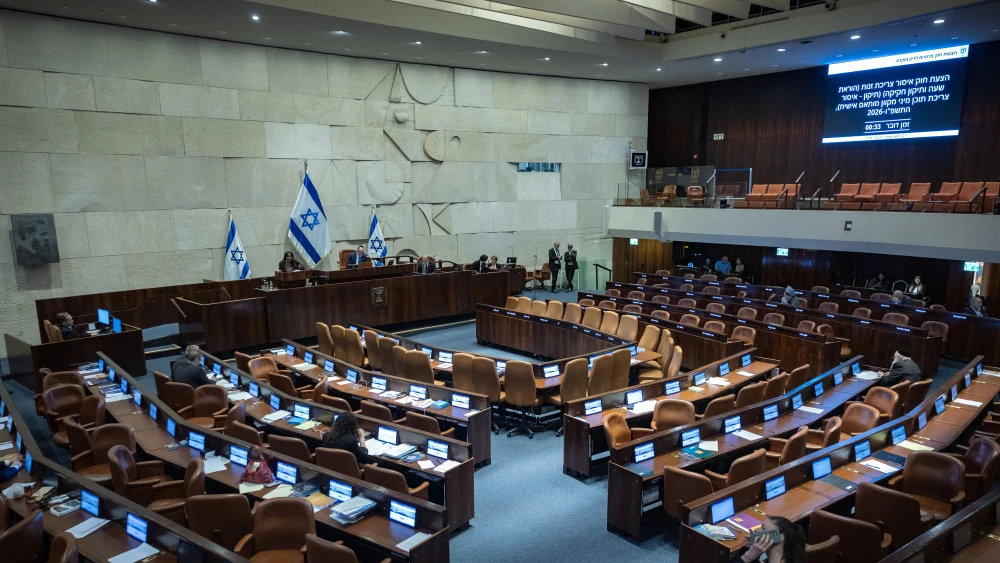
(Horizon Media / JERUSALEM) — A planned vote in Israel’s parliament to formally recognize the Armenian Genocide has been suspended, casting doubt on whether the initiative will advance beyond the symbolic approval it received from the Israeli Cabinet last month.
An Israeli official confirmed the suspension to the Jerusalem News Syndicate. The Knesset is expected to begin its summer recess later this week and will remain out of session ahead of Israel’s national elections scheduled for October 27, making parliamentary approval unlikely in the immediate future.
On June 28, the Israeli Cabinet unanimously approved Foreign Minister Gideon Sa’ar’s proposal to recognize the Ottoman Empire’s systematic extermination of its Armenian population during the First World War as genocide. Sa’ar described recognition as a “moral and historical duty,” while the resolution also condemned efforts to deny or minimize the crime. The measure, however, still required approval by the Knesset to become Israel’s formal state position.
The suspension comes amid renewed regional instability and apparent efforts to reduce tensions between Israel and Turkey. Relations between the two countries have deteriorated sharply over the war in Gaza and Turkish President Recep Tayyip Erdoğan’s increasingly hostile rhetoric against Israel. Ankara denounced the Cabinet decision as politically motivated and continued to reject the historically documented reality of the Armenian Genocide.
The timing of both the original decision and its subsequent suspension raises serious questions about Israel’s intentions. Having avoided formal recognition for decades in order to protect its strategic relationships with Turkey and Azerbaijan, Israel moved forward only when its relations with Ankara reached a historic low. Now, as diplomatic calculations appear to favour lowering tensions, recognition has once again been placed on hold.
The sequence reinforces the impression that Armenian suffering is being treated less as a matter of historical truth and justice than as an instrument of political pressure. Genuine recognition cannot depend on whether relations with Turkey are improving or deteriorating. The facts of the Armenian Genocide do not change according to Israel’s regional alliances, military interests or diplomatic negotiations.
Azerbaijan also strongly opposed the Israeli Cabinet decision, describing it as a distortion of history and urging Israel to reverse course. Baku’s intervention is significant because of its extensive security, energy and diplomatic ties with Israel, as well as its close alliance with Turkey.
Meanwhile, the Armenian government has remained conspicuously restrained. Nikol Pashinyan said he saw no need for Armenia to respond to the Israeli decision and cautioned against using genocide recognition for political purposes. Beyond that brief comment, Yerevan has announced no visible diplomatic initiative aimed at securing parliamentary approval or responding to the suspension.
That near-silence is particularly striking when both Turkey and Azerbaijan have openly mobilized against recognition. Rather than using the opportunity to defend historical truth and support a definitive Knesset vote, the Armenian authorities have largely remained on the sidelines.
Unless the resolution is revived and adopted by the Knesset, the Cabinet decision will remain an incomplete gesture. Its rapid rise and equally rapid suspension suggest that, for Israel, the Armenian Genocide continues to function primarily as diplomatic leverage, invoked when useful against Turkey and quietly set aside when strategic interests change.













Բաժանորդագրվել
