
Հոկտեմբեր 06, 2026
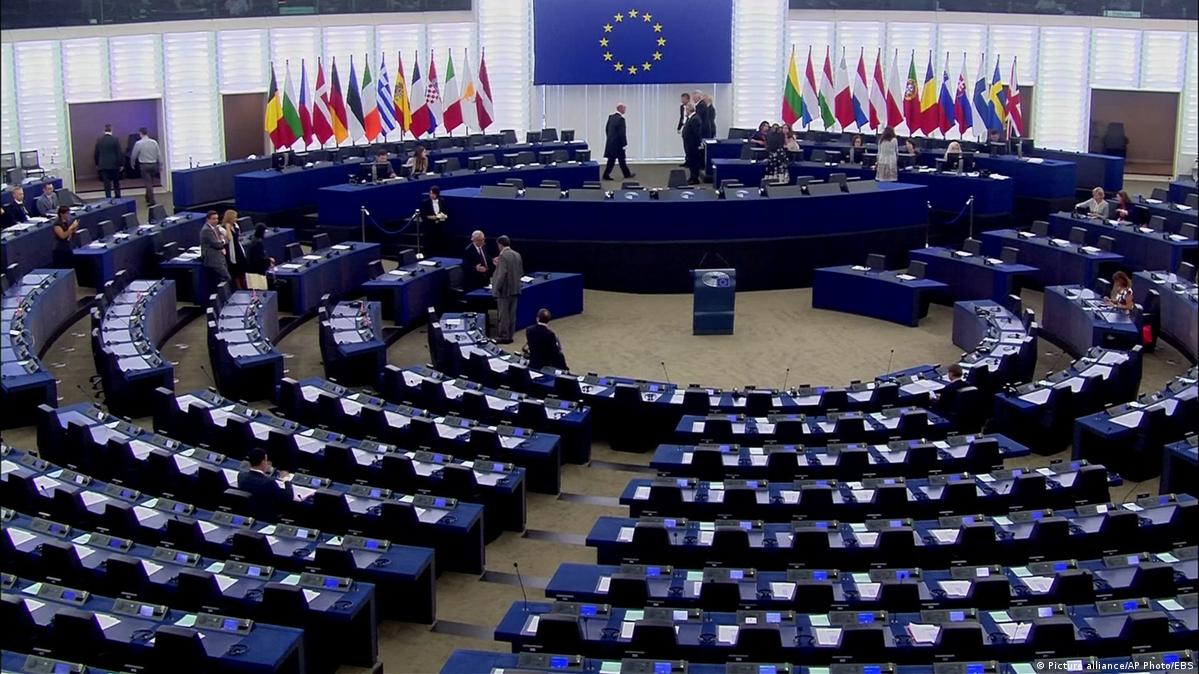
(Horizon Media / BRUSSELS) — The European Parliament’s Committee on International Trade has approved a proposal temporarily easing tariffs on a broad range of Armenian goods entering the European Union, as Armenia faces continued trade restrictions imposed by Russia.
The measure was approved on September 3 by 35 votes to 2, with three abstentions, and without amendments to the European Commission’s original proposal.
Under the plan, import duties on numerous Armenian products would be suspended for two years, while duty-free quotas would be introduced for eight agricultural categories, including grapes, apricots, cherries, peaches and cucumbers.
The initiative follows Russian restrictions introduced in May 2026 affecting several major Armenian exports, including alcoholic beverages, mineral water, fruits and vegetables, as well as the transit of some Armenian goods through Russian territory.
The European Commission says the restrictions have disrupted established export routes and placed particular pressure on Armenian agricultural producers and small and medium-sized businesses.
EU officials say the temporary measures are intended to help Armenian exporters diversify their markets and strengthen the country’s economic resilience. According to the Council of the EU, the arrangement would liberalize approximately 80 percent of Armenian exports to the European market.
The package also contains safeguard provisions allowing the EU to intervene if increased imports cause serious difficulties for European producers.
Preferential access will remain conditional on Armenia complying with EU rules of origin and administrative cooperation requirements, avoiding new restrictions on European imports, and respecting commitments under the EU-Armenia Comprehensive and Enhanced Partnership Agreement, including provisions related to democracy, the rule of law and human rights.
The European Parliament is expected to formally approve the measure during its September plenary session. Following final Council approval, the regulation will enter into force after publication in the EU’s Official Journal.















Բաժանորդագրվել