
Carney expands trade ties with China as Canada seeks alternatives to U.S. market
- (0)
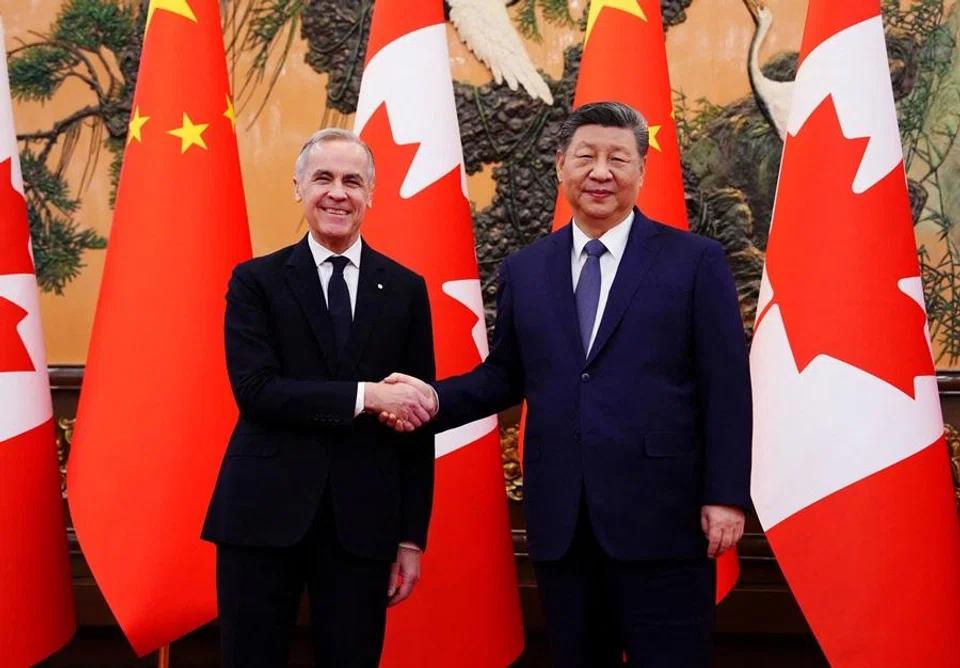
SHENZHEN — Prime Minister Mark Carney has announced a further expansion of Canada’s trade relationship with China, securing new tariff concessions for Canadian agricultural and seafood exports while agreeing to ease restrictions on certain Chinese steel and aluminum products.
The agreement followed talks with Chinese President Xi Jinping on November 17, on the sidelines of the Asia-Pacific Economic Cooperation summit in Shenzhen.
Under the arrangement, Beijing will provide additional tariff relief covering approximately $400 million in Canadian exports, including $116 million in frozen pork products and $285 million in seafood. The measures cover products such as shrimp, prawns, geoduck, sea cucumber and Greenland halibut.
In exchange, Ottawa will extend existing tariff exemptions on selected Chinese steel and aluminum imports for another two years, while expanding the exemptions to 32 additional categories where Canadian supply is considered insufficient or unavailable.
The agreement builds on earlier concessions for Canadian canola, peas, lobster and crab, reflecting a broader effort to stabilize bilateral relations following years of diplomatic tensions and trade disputes.
Carney has placed trade diversification at the centre of his government’s economic strategy, arguing that Canada’s heavy dependence on the United States has exposed the country to considerable risks under President Donald Trump’s protectionist trade policies.
The renewed engagement with Beijing nevertheless remains contentious. Canadian manufacturers and steel producers have expressed concerns about competition from Chinese imports, while questions persist over Beijing’s human rights record, foreign interference and economic security.
Ottawa and Beijing also announced plans to strengthen financial cooperation and organize a Canadian trade mission to China in 2027.
The developments signal a significant shift in Canada’s economic diplomacy as the government seeks to develop alternative markets without abandoning its longstanding commercial relationship with the United States.