First Nations challenge Ottawa’s fast-tracking of Pacific Link oil pipeline
- (0)
VANCOUVER — Several First Nations in British Columbia have launched legal challenges against the federal government’s decision to fast-track the proposed Pacific Link oil pipeline, arguing that Ottawa failed to conduct meaningful consultations before declaring the project a matter of national interest.
The legal action follows Prime Minister Mark Carney’s October 1 announcement designating the proposed Alberta-to-British Columbia pipeline as a national-interest project under the Building Canada Act.
The designation is intended to accelerate federal reviews and permitting, forming part of the Liberal government’s strategy to expand energy exports and reduce Canada’s dependence on the American market.
However, Indigenous leaders argue that the decision was made before affected communities were adequately informed about the project’s potential environmental, territorial and economic consequences.
Among those pursuing legal action are the Tsartlip First Nation on Vancouver Island and the St’át’imc Chiefs Council, which represents communities along the proposed route through British Columbia’s Interior and Fraser Valley.
The challenges raise concerns about the protection of Indigenous fishing rights, salmon habitats and the federal government’s constitutional obligation to consult First Nations.
Ottawa maintains that it conducted consultations with more than 110 Indigenous communities and insists that its accelerated approval process will respect constitutional obligations.
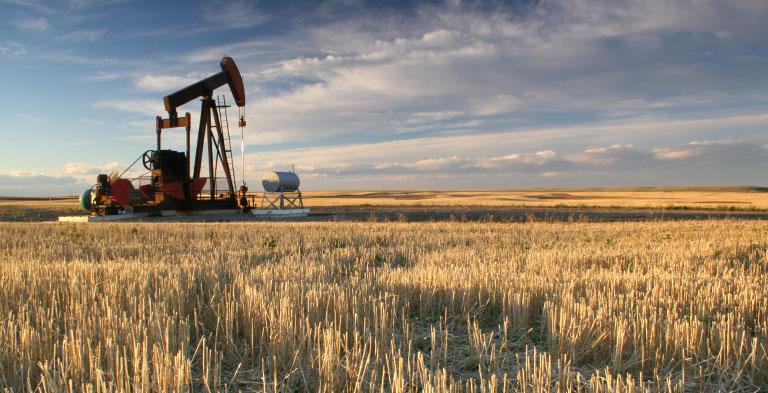
The proposed pipeline would transport oil from the Edmonton region to Canada’s Pacific coast, potentially providing access to overseas markets. The government hopes to complete the review process in 2027 and have the pipeline operating by 2032.
The national-interest designation does not itself constitute final construction approval.
The emerging legal dispute represents a significant test of Carney’s efforts to accelerate major infrastructure projects while upholding Indigenous rights and environmental safeguards.
Federal courts will now be asked to determine whether the government’s consultation process met its legal obligations before the project received preferential treatment.