PACE raises concerns over annulled precinct results that kept Prosperous Armenia out of parliament
- (0)
YEREVAN — The Parliamentary Assembly of the Council of Europe (PACE) has raised concerns over the handling of several polling-station results following Armenia’s June 7 parliamentary elections, saying the Central Electoral Commission (CEC) annulled the results without adequate justification and failed to order repeat voting.
In its final election observation report, published on September 22, PACE said the decisions affected both the overall election result and the representative composition of the newly elected National Assembly. The report was prepared following PACE’s observation mission to Armenia for the June 7 vote.
The controversy centred on three polling stations whose results were invalidated during the post-election process. The annulments contributed to reducing the final vote share of the opposition Prosperous Armenia Party (BHK) to 3.9893 per cent, just below the threshold required for parliamentary representation. The party consequently remained outside the National Assembly.
The final distribution gave the ruling Civil Contract party 64 seats, Strong Armenia 29 and the Armenia Alliance 12, leaving Civil Contract with more than three-fifths of the seats in parliament.
PACE observers questioned both the reasoning behind the annulments and the absence of repeat voting in the affected precincts. The Assembly recommended amendments to Armenia’s Electoral Code to establish clearer rules governing when repeat voting should take place.
CEC Chairman Vahagn Hovakimyan had previously defended the decision not to hold new voting, maintaining that a rerun after nationwide results were already known could encourage strategic voting aimed at deliberately altering the final parliamentary outcome. The CEC ultimately concluded that the annulment of the three precinct results did not affect the validity of the election outcome and declined to call reruns.
The issue proved particularly consequential for BHK. Following recounts, the party had gained additional votes, but subsequently lost 222 votes when the three precinct results were annulled. Its final tally of 58,287 votes left it narrowly below the parliamentary threshold.
PACE’s report also identified broader concerns surrounding the electoral environment, including allegations of vote-buying, misuse of administrative resources and shortcomings in providing effective and timely judicial remedies for election-related complaints.
International observers had already noted following the vote that the campaign was highly confrontational and marked by divisive rhetoric. They also reported allegations of electoral violations that led to numerous criminal proceedings involving opposition candidates and activists, contributing to some opposition supporters refraining from active participation in the campaign.
The observers also cited reported pressure on public-sector employees to attend ruling-party events and raised questions about whether all contestants had enjoyed equal campaign conditions. Even before election day, PACE’s pre-election delegation had warned about allegations of misuse of administrative resources, voter pressure and vote-buying, while calling on Armenian authorities to ensure a level playing field.
At the same time, the report devoted considerable attention to alleged foreign interference, particularly from Russia. Observers said the campaign took place amid direct external pressure, including trade restrictions and security-related threats that they assessed as intended to influence Armenian voters in favour of opposition forces.
Despite those concerns, international observers said the June 7 election offered voters a genuine choice and that the voting process itself was generally well administered.
PACE also called for improvements in Armenia’s media environment, including safeguards for the impartiality of the public broadcaster and greater transparency regarding the ownership of private media outlets.
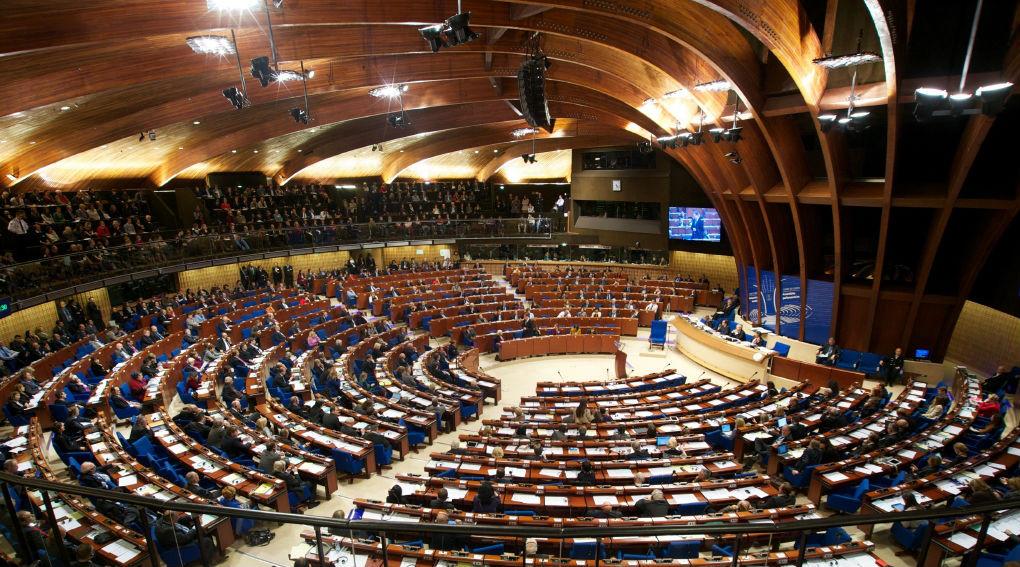
The September report is being presented during PACE’s autumn session in Strasbourg on September 28, where Armenia’s parliamentary elections are formally on the Assembly’s agenda.