The 1988 Sumgait Pogrom: A prelude to systematic Anti-Armenian violence in Azerbaijan
- (0)
By Horizon Staff Writer
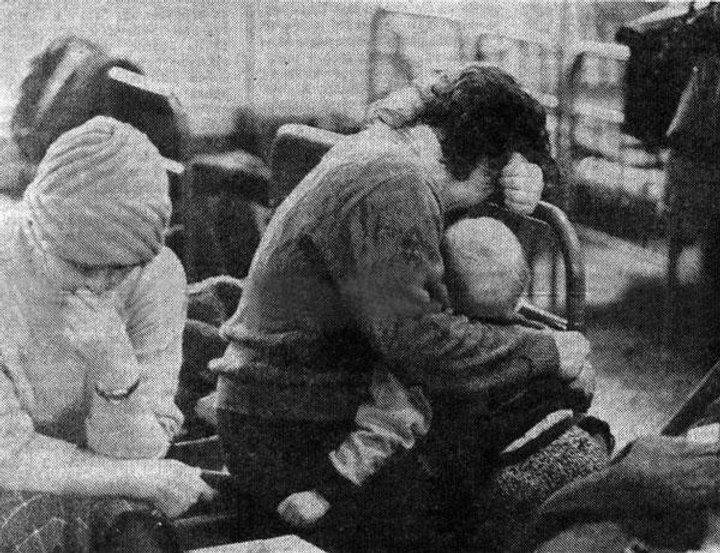
In late February 1988, the industrial city of Sumgait became the site of one of the most traumatic anti-Armenian outbreaks in the final years of the Soviet Union. Over the course of three days, from February 27 to 29, Armenian residents were hunted, beaten, tortured, raped, and killed by Azerbaijani mobs, while local authorities largely failed to intervene in time to stop the violence.
The pogrom erupted amid rising tensions surrounding the peaceful movement in Nagorno-Karabakh (Artsakh), where the Armenian population had petitioned for unification with Soviet Armenia. What began as a political dispute was quickly transformed into organized ethnic violence. Eyewitness accounts, survivor testimonies, and subsequent investigations revealed that attackers had access to Armenian addresses and targeted homes methodically — clear evidence that the violence was systematically organized and executed.
Official Soviet figures reported 32 deaths, but many independent observers have confirmed significantly higher numbers. Hundreds were injured. Apartments were looted and set ablaze. Women were subjected to brutal sexual violence. For the Armenian community, Sumgait was not merely a riot — it was a pogrom, recalling earlier chapters of anti-Armenian persecution in the region.
The delayed and inadequate response by Soviet authorities deepened Armenian mistrust. Only after days of unchecked brutality were troops deployed to restore order. Many perpetrators received relatively light sentences, and the broader climate of impunity left Armenians across Azerbaijan feeling exposed and unprotected.
The Sumgait pogrom marked a turning point. It triggered a mass exodus of Armenians from Azerbaijan and convinced many in Artsakh that coexistence under Azerbaijani rule was no longer possible. In Armenian historical memory, Sumgait stands alongside other episodes of anti-Armenian violence as evidence of a persistent pattern of state-sanctioned hostility.
Today, Armenians remember the victims of Sumgait not only with grief but with a sober recognition of its political consequences. The events of February 1988 hardened attitudes, shaped the trajectory of the Artsakh movement, and foreshadowed further violence in places such as Baku and Kirovabad in the years that followed.
Nearly four decades later, the wounds of Sumgait remain open. For Armenians worldwide, the pogrom is a reminder that the demand for security, dignity, and self-determination in Artsakh did not arise in a vacuum. It emerged in the shadow of violence — violence that began in Sumgait and forever altered the course of Armenian history.
Related Articles

September 22, 2026