October 06, 2026
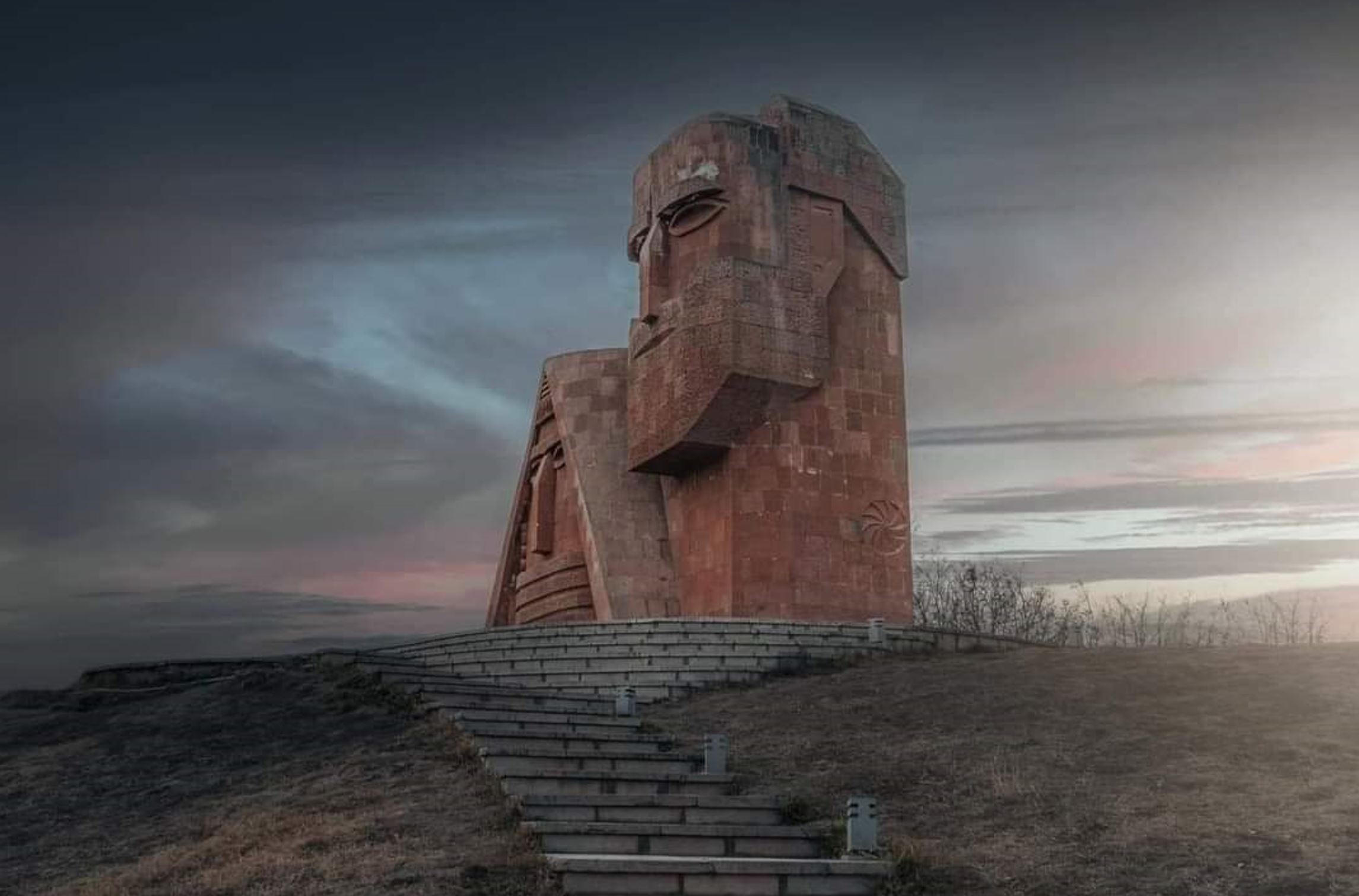
(Horizon Media / YEREVAN) — The second edition of the “Armenian Students for Artsakh” research competition, organized by the ARF Bureau Youth Office, brought together Armenian university students from around the world to examine one of the central unresolved issues facing the people of Artsakh: their right to return to their homeland.
The competition focused on mobilizing the academic and professional potential of Armenian students around the Artsakh issue, encouraging research in international law, politics, cultural heritage, human rights and related fields. Participants represented nine countries, with 13 individual entrants and two student groups taking part in the program.
The competition’s first scholarship prize was awarded to Stella Pashyan of the United States for her paper, “The Right of Return: Artsakh Armenians, the Indigenous People of Nagorno-Karabakh.”
Pashyan’s research examines the right of return through the legal rights of Indigenous peoples. Drawing on the UN Declaration on the Rights of Indigenous Peoples and other international legal instruments, the paper examines Artsakh Armenians’ historical continuity, cultural distinctiveness and relationship with their ancestral land, linking the right of return to land rights and self-determination. Her academic advisor was Dr. Kevork Hagopjian, an international law specialist and member of the Armenian Legal Center’s Board of Directors.
Two second scholarship prizes were awarded to Liana Pohanian of France and Sofia Aydinyan of Russia.
Pohanian’s study, “What is Hindering the Implementation of the Right of Return for Displaced Persons from Artsakh, Despite the Guarantees Provided by International Law?”, explores the gap between legal recognition of the right of return and its implementation. The research examines the limitations of international enforcement mechanisms, the absence of effective mediators and security guarantees, Azerbaijan’s opposition to an Armenian return, the detention of Armenians and the destruction and appropriation of Armenian cultural heritage. Her research was conducted under the supervision of international law specialist Dr. Philippe Raffi Kalfayan.
Aydinyan’s paper, “Comparative Analysis of Precedents for the Implementation of the Right of Return of Forcibly Displaced Persons and Lessons to be Learned: The Specificities of the Issue of the Artsakh Armenians,” approaches the issue from a geopolitical and economic perspective.
Her research considers how economic interests, infrastructure, natural resources and international partnerships influence political decision-making. It argues for developing greater Armenian leverage through economic cooperation, professional lobbying and strategic partnerships, while examining how foreign commercial interests have intersected with developments in Artsakh. The paper also draws on interviews with specialists in international relations and law.
The competition’s third scholarship prizes were awarded to Vika and Erika Kafyan, sisters from Artsakh, for a joint submission, and Tigran Arakelyan of Georgia.
The Kafyan sisters examined “The Importance and Practical Possibilities of Preserving Artsakh’s Historical and Cultural Heritage within the Framework of the Right of Return.” Their research connects the return of the displaced population with the preservation of Artsakh’s tangible and intangible Armenian heritage.
The paper examines threats to churches, monasteries, cemeteries, monuments, traditions and other elements of cultural identity, while placing their protection within international humanitarian and human rights law. It also reviews international mechanisms available for protecting cultural heritage and argues that safeguarding Armenian heritage is inseparable from the ability of Artsakh Armenians to maintain their identity and eventually exercise their right of return. Their academic advisor was Lernik Hovhannisyan, former Minister of Culture, Youth Affairs and Tourism of the Republic of Artsakh.
Arakelyan’s research, “Necessary International Prerequisites for the Realization of the Right of Return of Artsakh Armenians,” focuses on the international legal and political mechanisms required to make return possible.
The paper examines international humanitarian law, European Court of Human Rights jurisprudence, the International Court of Justice, the UN Security Council and other international structures, while also assessing the interests of major regional and global actors. It concludes that although substantial legal foundations exist for the right of return, implementation remains dependent on political pressure, international engagement and wider geopolitical considerations. His academic advisor was Dr. Gevorg Ghukasyan, Armenian Cause program coordinator at the ARF Central Office.
The competition was built around several areas of study, including international law, conditions for a safe and sustainable return, the responsibilities of Armenian and international actors, the preservation of Artsakh’s Armenian identity and possible responses to obstacles to return.
Organizers have said the next phase of the initiative will seek to make the research available to institutions engaged in advocacy and policy work, while also pursuing publication of the studies in academic and professional outlets.














Subscribe to our newsletter