Armenia Begins TRIPP Preparations as Sovereignty Concerns Persist
- (0)
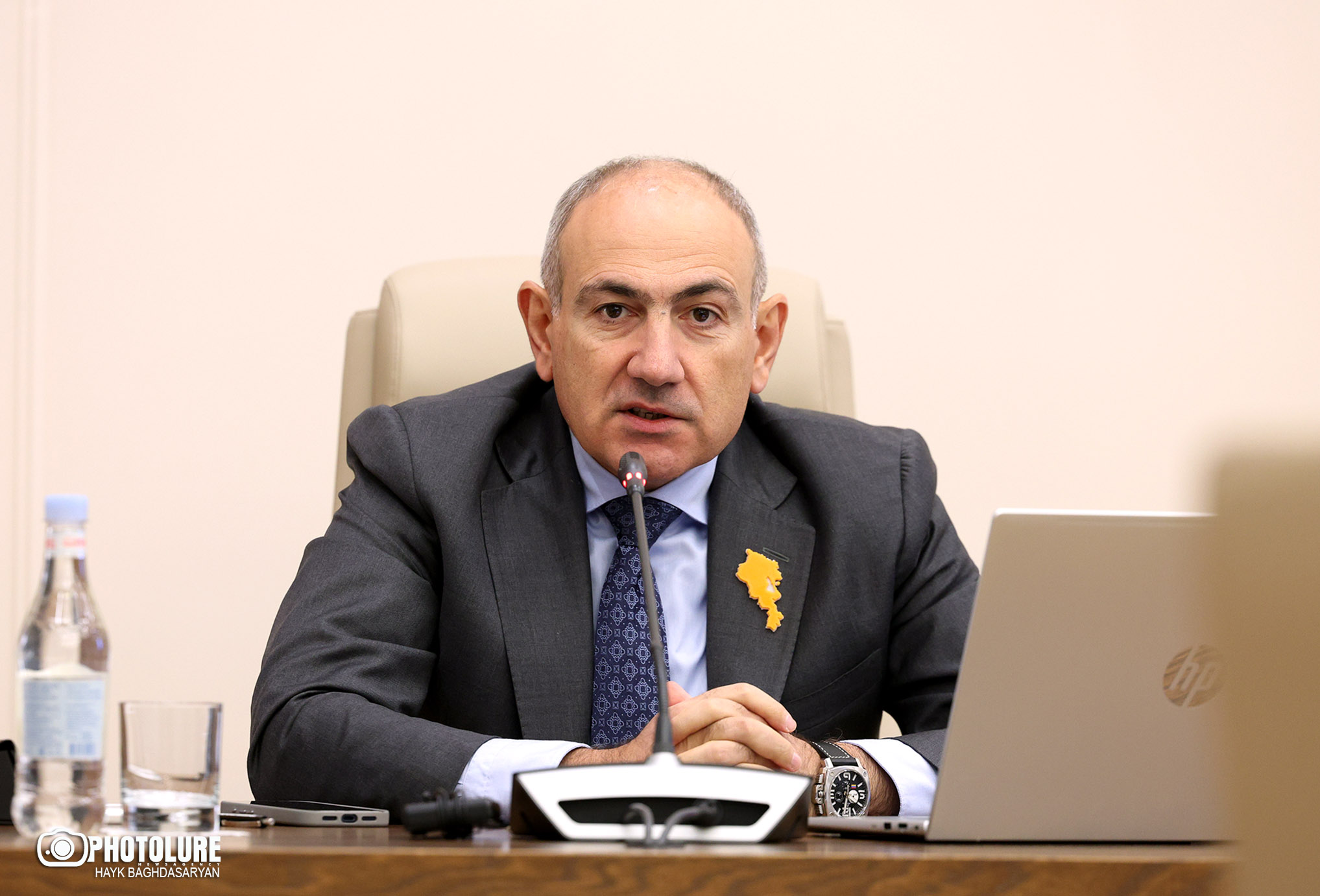
YEREVAN – Armenian Prime Minister Nikol Pashinyan announced on November 2 that his government has effectively begun implementing the Trump Route for International Peace and Prosperity (TRIPP), moving ahead with preliminary infrastructure preparations before the project’s development company has been formally established.
Addressing parliament, Pashinyan said the government would commission engineering and design work for railways, highways and electricity transmission lines. The completed studies would subsequently be transferred to the TRIPP development company.
Pashinyan maintained that the initiative would help overcome Armenia’s decades-long transport isolation by reopening regional connections. He also clarified that potential gas and oil pipelines would be considered separately at a later stage.
Under the Armenia–United States framework agreement, the proposed development company will initially operate for 49 years, with the American side holding 74% and Armenia retaining 26% of its shares.
The Armenian Parliament ratified the agreement on October 28, with ruling-party lawmakers voting in favour and both opposition factions voting against.
While the government promotes TRIPP as an opportunity for economic development and regional integration, opposition forces have questioned the long-term consequences of the arrangement.
Their concerns focus on Armenian sovereignty, control over transport infrastructure, border security and the absence of sufficiently clear implementation guarantees. The project’s advancement brings those questions into sharper focus.
For critics, the issue is not simply whether regional transport routes should reopen, but whether Armenia can secure lasting economic benefits without compromising its sovereign authority or exposing the strategically sensitive Syunik region to additional external pressure.