Siranush Sahakyan questions Armenian government’s diplomatic failures over prisoners in Baku
- (0)
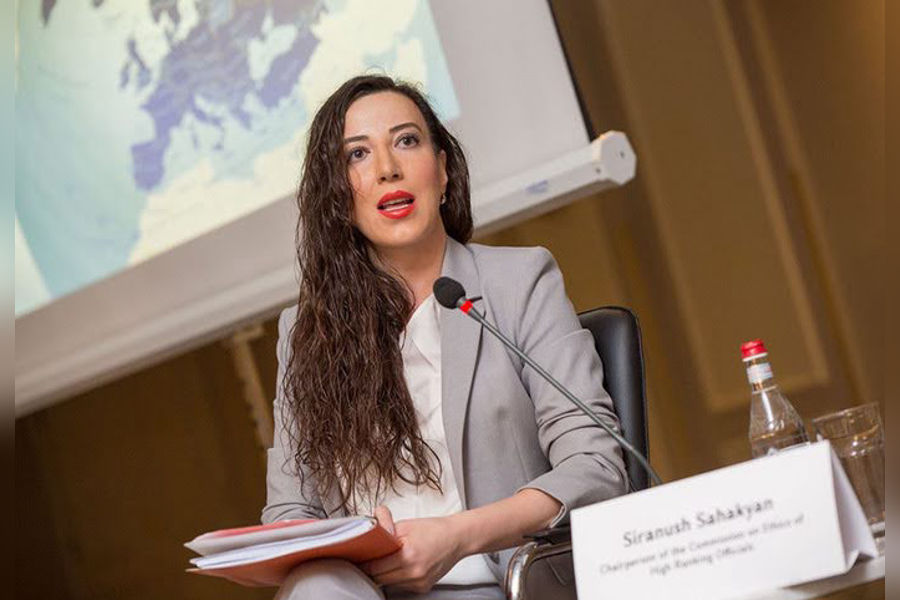
YEREVAN – International human rights lawyer Siranush Sahakyan has sharply criticized the Armenian government’s inability to secure third-country assistance for Armenian prisoners held in Azerbaijan, raising serious questions about the effectiveness of Yerevan’s diplomatic efforts.
In an interview with MediaLab, republished by Aravot on October 30, Sahakyan responded to Foreign Minister Ararat Mirzoyan’s admission that Armenia had approached foreign governments seeking assistance but had failed to secure results.
Sahakyan described the situation as deeply troubling, noting that international diplomatic practice provides established mechanisms through which neutral third countries can represent the interests of citizens detained abroad.
She questioned why Armenia has been unable to secure such assistance in what is fundamentally a humanitarian matter.
According to Sahakyan, civil society organizations have previously approached Swiss authorities regarding Armenian detainees, without receiving indications that Switzerland was categorically unwilling to provide humanitarian assistance.
She emphasized that the Armenian government has neither disclosed which countries it approached nor explained the reasons for their reported refusals, making its account impossible to independently verify.
Drawing comparisons with international diplomatic initiatives, Sahakyan pointed to Ukraine’s success in mobilizing dozens of countries around complex legal proceedings before international courts.
By contrast, she questioned why Armenia has reportedly been unable to enlist even one country to assist its detained nationals.
Her remarks add to mounting criticism of the Pashinyan government’s handling of the prisoners’ plight.
With Armenian detainees continuing to face serious human rights concerns in Azerbaijan, demands are growing for greater transparency, coordinated international pressure and a more effective diplomatic strategy to secure independent humanitarian access and their unconditional release.