September 14, 2026
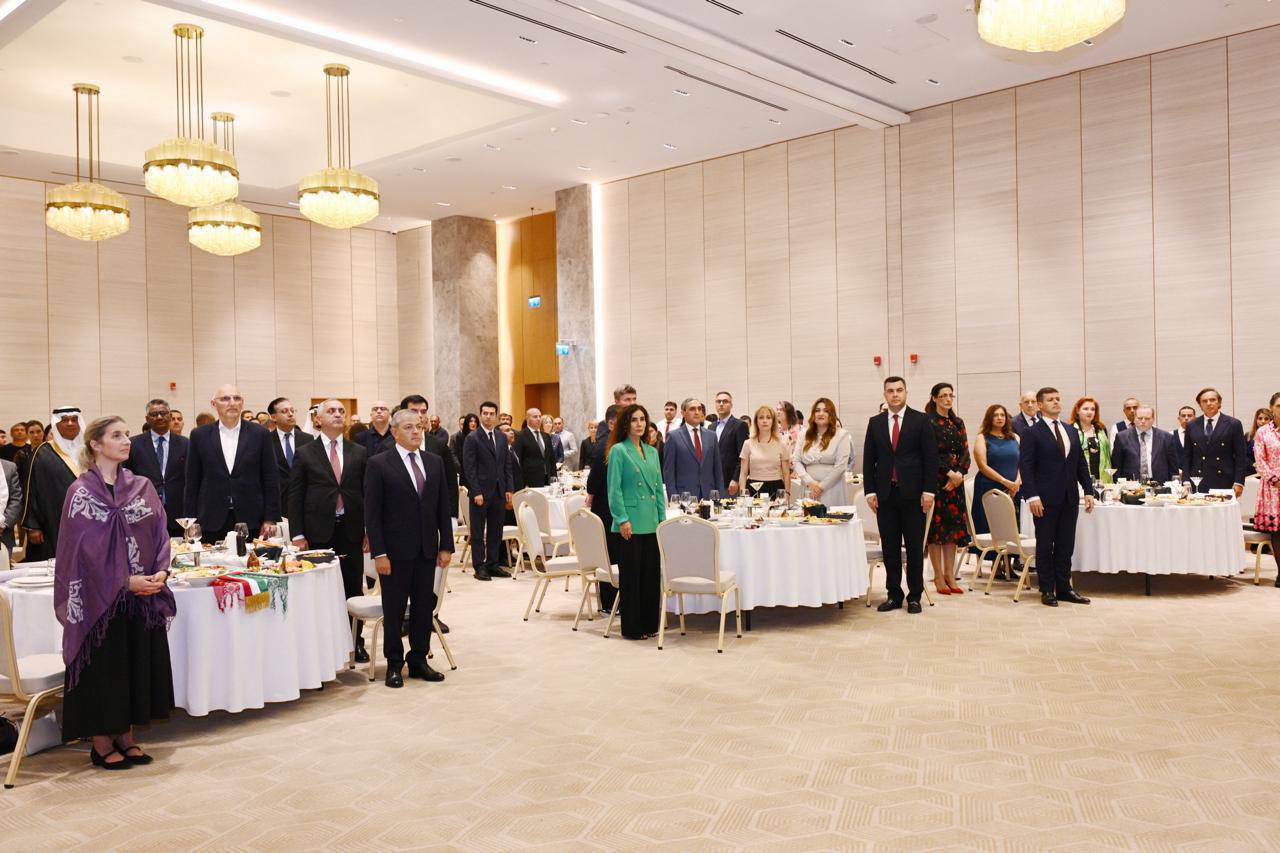
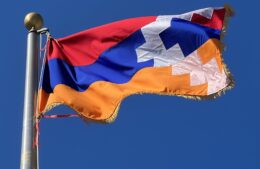
(Horizon Media) – More than 150 representatives from 58 countries and nine international organizations took part in an Azerbaijani government-organized tour of occupied Artsakh on September 11–12, visiting Stepanakert, Shushi, Martakert, Karvachar and a number of Armenian cultural and religious sites.
Among the publicly identified participants were diplomats representing the United States, France, the United Kingdom, Pakistan, Indonesia, Mexico, Iran, China, Moldova and Belarus, as well as European Union Special Representative for the South Caucasus Magdalena Grono. Azerbaijan has not released a complete list of the 58 participating countries.
The delegation was accompanied by Azerbaijani presidential adviser Hikmet Hajiyev and other officials, who used the visit to showcase Baku’s reconstruction projects and its narrative of the region three years after Azerbaijan’s September 2023 military offensive forced virtually the entire Armenian population of Artsakh from its homeland.
The tour also drew criticism over Azerbaijan’s treatment of Armenian cultural heritage. At Gandzasar and Dadivank, Azerbaijani officials presented the medieval Armenian monasteries as part of the heritage of “Caucasian Albania,” while accusing Armenians themselves of altering and falsifying the monuments. Hajiyev publicly described both monasteries as belonging to ancient Albanian Christian heritage, despite their extensive Armenian inscriptions and centuries-long connection to the Armenian Apostolic Church.
The presentation reflected a broader Azerbaijani campaign to detach Armenian monuments in Artsakh from their Armenian identity. International observers have previously raised concerns over precisely this “Caucasian Albanian” narrative and the destruction, alteration and reidentification of Armenian religious and cultural sites under Azerbaijani control.
The visit was condemned by Catholicos Aram I of the Great House of Cilicia, who has repeatedly warned against attempts to erase Artsakh’s Armenian identity and has insisted that the right of Artsakh Armenians to return, the protection of Armenian churches and cultural monuments, and the release of Armenian prisoners in Baku remain fundamental Armenian demands. Earlier this month, Aram I reiterated that Artsakh must not be treated as a closed chapter and should remain a priority on the Armenian national agenda.
The Committee for the Protection of the Fundamental Rights of the People of Artsakh also appealed to the diplomatic community not to allow official visits to become an instrument for normalizing the consequences of ethnic cleansing. Other Artsakh representatives similarly warned diplomats that visits to Stepanakert, Shushi, Gandzasar and Dadivank cannot be separated from the fate of the more than 100,000 Armenians displaced in 2023 or from the continuing erasure of Armenian heritage. One open letter urged diplomats not to allow “ethnic cleansing to be turned into a tourist route.”
Despite the scale of the visit and the Azerbaijani officials’ public attempts to rewrite the identity of some of Artsakh’s most important Armenian monuments before foreign diplomats, the Armenian government has issued no public response. As of September 14, neither Armenia’s Foreign Ministry nor other relevant state institutions had publicly addressed the visit or Azerbaijan’s claims concerning Gandzasar and Dadivank.















Subscribe to our newsletter