Armenia’s Areni-1 Cave added to UNESCO World Heritage Tentative List
- (0)
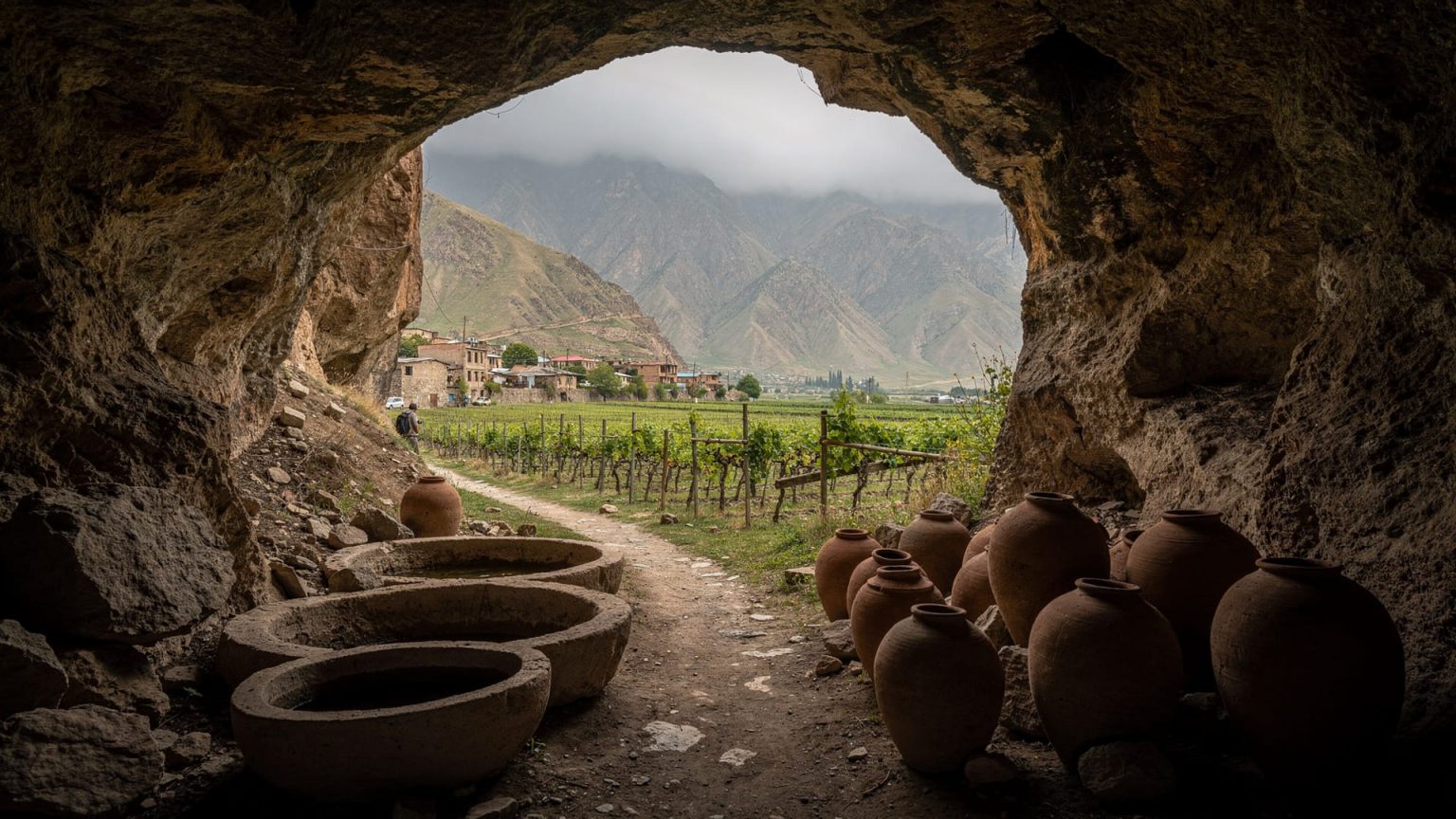
(Horizon Media / YEREVAN) – Armenia’s Areni-1 Cave, an internationally significant archaeological site renowned for its evidence of prehistoric settlement and early winemaking, has been added to UNESCO’s World Heritage Tentative List.
The nomination, titled “Areni-1 Cave: Prehistoric Life and Winemaking in the Arpa River Valley,” was registered as the 48th session of UNESCO’s World Heritage Committee convened in Busan, South Korea, from July 19 to 29.
This year marks Armenia’s first participation in the session as a member of the World Heritage Committee. The Armenian delegation is headed by the country’s Permanent Representative to UNESCO, Aram Hakobyan, and includes Harutyun Vanyan, head of the Department for the Protection of Historical and Cultural Monuments, as well as five Armenian experts.
The nomination was prepared through a memorandum of cooperation involving Armenia’s Ministry of Education, Science, Culture and Sport, the Areni-1 Cave Research Foundation and the Armenian Enotourism Council. The project was financed by the Armenian Enotourism Council as part of a public-private initiative aimed at preserving and promoting the country’s cultural heritage.
The addition brings the number of Armenian sites on UNESCO’s Tentative List to eight. Armenia has added four sites during the past three years, doubling the four entries originally registered in 1995.
Also known locally as the Birds’ Cave, Areni-1 is located within the limestone cliffs of the Arpa River gorge in southern Armenia. The cave stands at a natural crossroads between the Ararat Depression and the Syunik Uplands, overlooking fertile lands where orchards and vineyards have been cultivated for thousands of years.
The archaeological complex includes an external rock shelter and three principal galleries extending more than 40 metres into the cliff, along with several niches and side chambers. Its interior covers approximately 850 square metres, while the wider cave system and adjoining terrace span more than 7,800 square metres.
The cave’s sheltered conditions and stable microclimate have allowed exceptionally rare organic materials to survive for nearly six millennia. Archaeologists have uncovered preserved wood, textiles, rope, leather, plant material and food remains, offering valuable insight into prehistoric life in the region.
Areni-1 forms part of a broader archaeological landscape in the Arpa gorge, where surveys have identified nearly 40 caves containing evidence of prehistoric activity. However, Areni-1 is considered among the largest and richest sites in the area, distinguished by the intensity of its ancient occupation and the remarkable preservation of its archaeological remains.