September 16, 2026
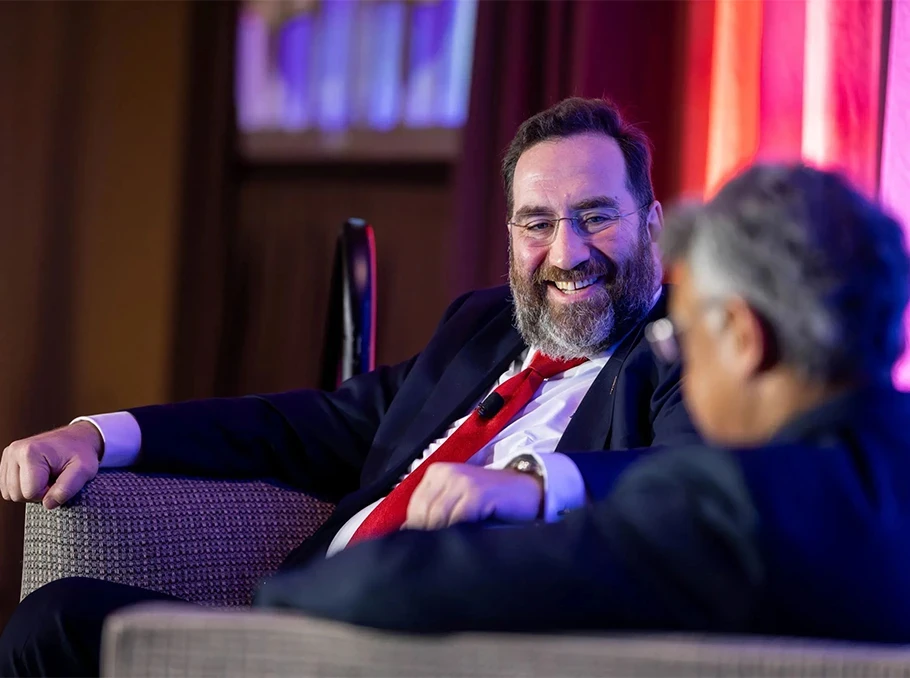
(Horizon Media / WASHINGTON) — Konstantin Sokolov, a Soviet-born American private equity investor based in Chicago, has been appointed to chair the newly established TRIPP+ Enterprise Fund, which will oversee more than $200 million in investments linked to regional trade, transport and energy projects, The Guardian reports.
The U.S. State Department confirmed the appointment last Friday. The fund will be authorized to provide loans, grants and investments in Armenia, Azerbaijan, Georgia and Central Asia, with a focus on transport infrastructure, energy, critical minerals and private-sector development.
Sokolov, who has not previously held public office, is known in Armenia as a co-owner of telecommunications operator Viva Armenia, which recently acquired shares in Rostelecom Armenia. He has also been identified as a possible buyer of the Teghut copper-molybdenum mine and holds senior roles in several investment and energy companies operating in the United States and Europe.
The Guardian noted that Sokolov was among 36 donors who contributed to U.S. President Donald Trump’s $350 million White House ballroom renovation project, although the amount of his donation has not been disclosed. The newspaper said questions remain over whether Sokolov or other officials could receive compensation or otherwise benefit from the fund’s activities.
The State Department said the fund would comply with U.S. legal requirements, including annual reporting, independent audits and conflict-of-interest safeguards. TRIPP+ was established under legislation originally adopted after the collapse of the Soviet Union to support enterprise funds in Eastern Europe and former Soviet states.
During a February visit to Yerevan, U.S. Vice President JD Vance described the initiative as part of a “historic transformation” that would open new opportunities for trade, transit and energy flows. Although the fund’s current budget is listed at $201 million, a State Department official said in April that up to $400 million had been secured for the initiative.















Subscribe to our newsletter