October 06, 2026
(Horizon Media / PARIS) — Armenia and Azerbaijan both addressed the 11th session of the General Assembly of UNESCO’s 2003 Convention for the Safeguarding of the Intangible Cultural Heritage, each presenting heritage preservation as a policy priority. But the session exposed a stark contradiction: Azerbaijan used the platform to polish its image, while Armenian officials again avoided the direct language demanded by the cultural emergency in Artsakh.
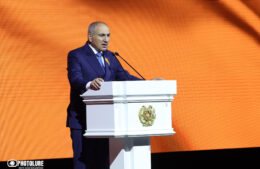
Armenia’s Permanent Representative to UNESCO, Aram Hakobyan, said safeguarding intangible cultural heritage remains a key “priority” of Armenia’s cultural policy. He referred to the protection of heritage affected by conflict and forced displacement, and called for stronger UNESCO support for displaced and refugee communities.
The remarks, however, failed to confront the central issue directly: Artsakh’s Armenian heritage is under Azerbaijani control and in immediate danger. For displaced Artsakh Armenians, intangible heritage is inseparable from churches, cemeteries, khachkars, monasteries, dialects, songs, village traditions and collective memory. Once a population is forcibly removed and the physical traces of its presence are targeted, that heritage becomes vulnerable to erasure.
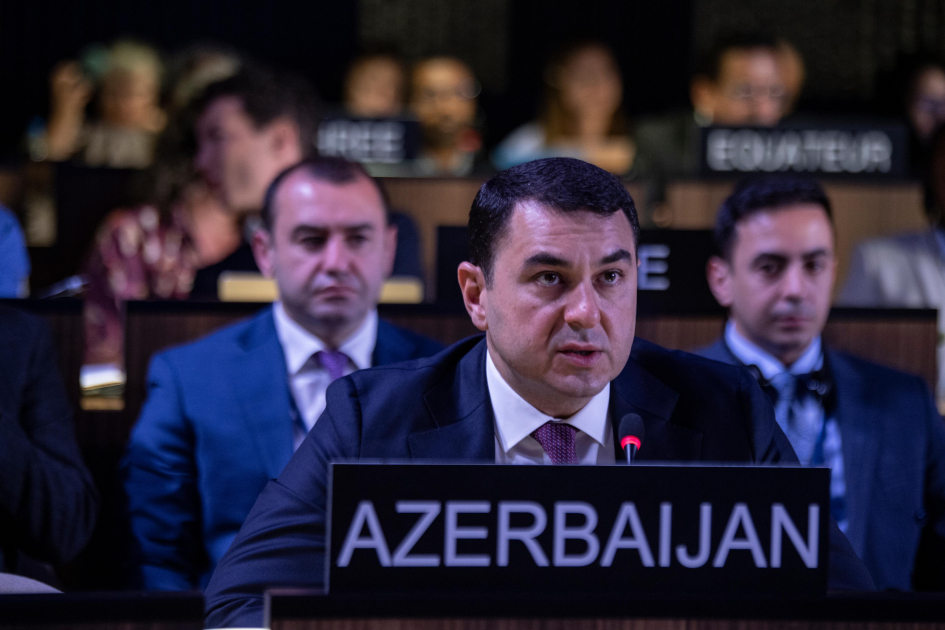
Azerbaijan’s presentation was an exercise in contradiction. Culture Minister Adil Karimli spoke of Baku’s efforts to protect and promote intangible cultural heritage, its cooperation with UNESCO, and the importance of international partnership. Yet Azerbaijan now controls Artsakh, where up to 5,658 Armenian cultural monuments are considered at risk, facing destruction, alteration, neglect or rebranding.
The statement would be almost laughable if the situation were not so grave. Baku cannot credibly present itself as a guardian of culture while Armenian monuments in Artsakh are actively being destroyed and revised. At the same time, Armenia’s cautious language weakens its own case, allowing Azerbaijan to fill the diplomatic space with polished narratives while the core issue remains insufficiently confronted.
The Paris session exposed a double failure: Azerbaijan performed the role of cultural protector while presiding over the erasure of Armenian heritage, and Armenia spoke of endangered heritage without fully naming the state responsible for endangering it.
UNESCO should not become a stage where Azerbaijan launders its record and Armenia settles for restraint. Heritage preservation requires naming the perpetrator, demanding access for independent monitors, and refusing to let cultural erasure be disguised as state policy.
















Subscribe to our newsletter