
Washington and Tehran prepare for talks in Muscat as tensions remain high
- (0)
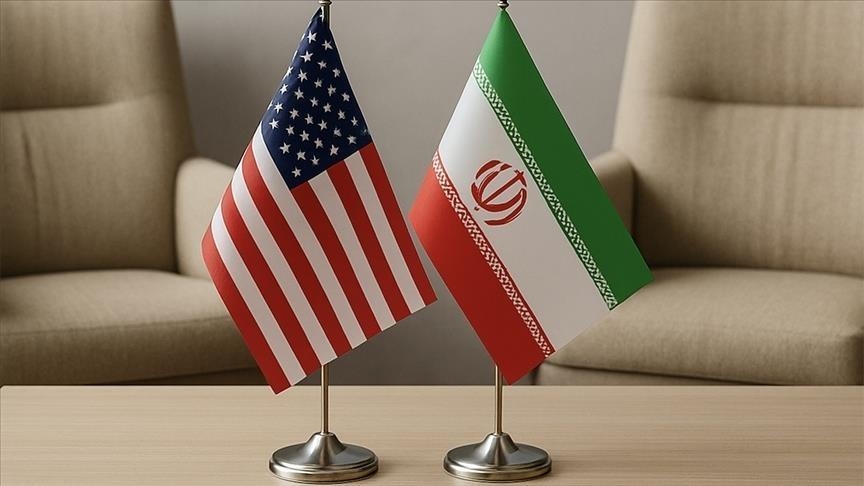
(Horizon Weekly) – Iran’s Foreign Minister Abbas Araghchi has announced that talks with the United States on Tehran’s nuclear program are expected to take place on Friday in Oman’s capital, Muscat, a move also confirmed by the White House.
Araghchi is expected to represent Iran, while the U.S. side will be led by President Donald Trump’s special envoy Steve Witkoff and his son-in-law Jared Kushner. Despite preparations, major differences remain over the agenda.
Iran has said it is willing to discuss only its nuclear activities and rejects including ballistic missiles or regional issues. Tehran has also called for direct talks with Washington, without regional intermediaries. U.S. officials, however, insist that any meaningful negotiations must also address Iran’s missile program, regional influence, and human rights record.
Secretary of State Marco Rubio stated that progress is impossible without a broader agenda. Meanwhile, Washington and Israel continue to accuse Iran of pursuing nuclear weapons, a claim Tehran denies, saying its program is strictly peaceful.
Tensions have risen in recent days as the United States has increased its military presence in the Middle East and warned of possible action if diplomacy fails. President Trump told NBC News that discussions over a possible meeting are ongoing and warned that Iran should abandon plans to expand its nuclear facilities.
Regional and global powers have urged restraint. Turkish President Recep Tayyip Erdogan called for diplomacy to prevent further instability, while China reaffirmed its support for Iran’s right to peaceful nuclear energy and opposed pressure through sanctions.
Uncertainty remains over whether the talks will proceed as planned. According to Axios, Washington briefly suspended preparations after Iran proposed limiting discussions to the nuclear issue. U.S. officials said talks could resume if Tehran accepts the original format.
Public opinion in Iran remains divided. Some citizens see negotiations as necessary to protect national interests, while others view talks with Washington as humiliating and harmful.
Related Articles


February 25, 2026