Turkish Media Reports Growing Tensions Between Erdoğan and Aliyev
- (0)
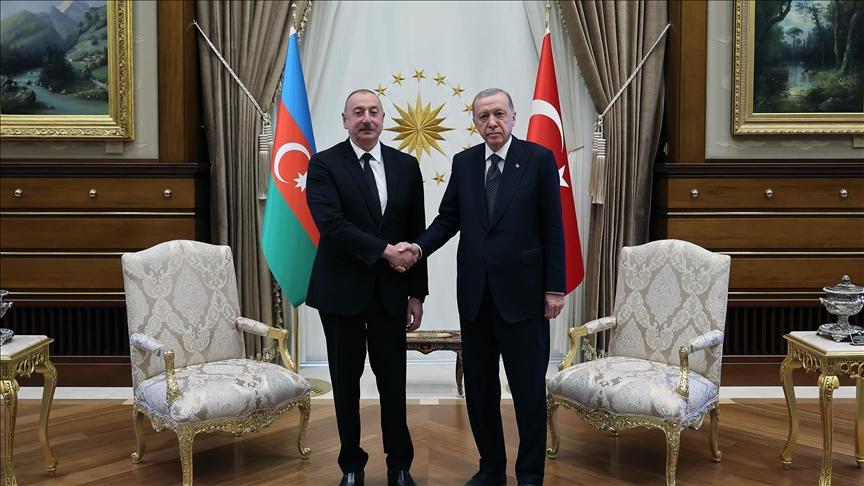
ANKARA – Reports emerging from Turkish media on October 28 suggest growing friction between Turkish President Recep Tayyip Erdoğan and Azerbaijani President Ilham Aliyev, raising questions about relations between the two regional allies.
Turkish journalist İsmail Saymaz, citing senior Azerbaijani officials and journalists, reported that an October 21 telephone conversation between the two presidents had been tense.
The immediate controversy concerned restrictions on headscarves in Azerbaijani schools.
Turkish presidential adviser Oktay Saral publicly criticized the restrictions, prompting accusations from Baku that Ankara was interfering in Azerbaijan’s domestic affairs. Saral subsequently resigned from his position.
However, Saymaz’s sources suggested that the disagreement reflects broader tensions.
According to the report, Azerbaijan’s leadership has become increasingly uncomfortable with Ankara’s perceived tendency to treat Baku as a junior partner rather than an equal ally.
Other reported disagreements concern Türkiye’s portrayal of its military contribution to Azerbaijan’s war against Artsakh and criticism in Turkish media of Azerbaijan’s relationship with Israel.
Saymaz’s sources claimed the October 21 presidential conversation did not go well. Neither government has officially confirmed the reported details.
These developments may point to strains within the Turkish-Azerbaijani partnership, but there is no established evidence of a fundamental strategic rupture.
Both countries have maintained close political, military and diplomatic cooperation, particularly concerning Armenia and the South Caucasus.
For Armenia, any differences between Ankara and Baku merit careful diplomatic attention. Nevertheless, the Pashinyan government should not mistake potential disagreements between two allies for a weakening of their shared strategic objectives.
Armenia’s security and foreign policy must remain grounded in realistic assessments, independent capabilities and the protection of its sovereign national interests.