
October 06, 2026
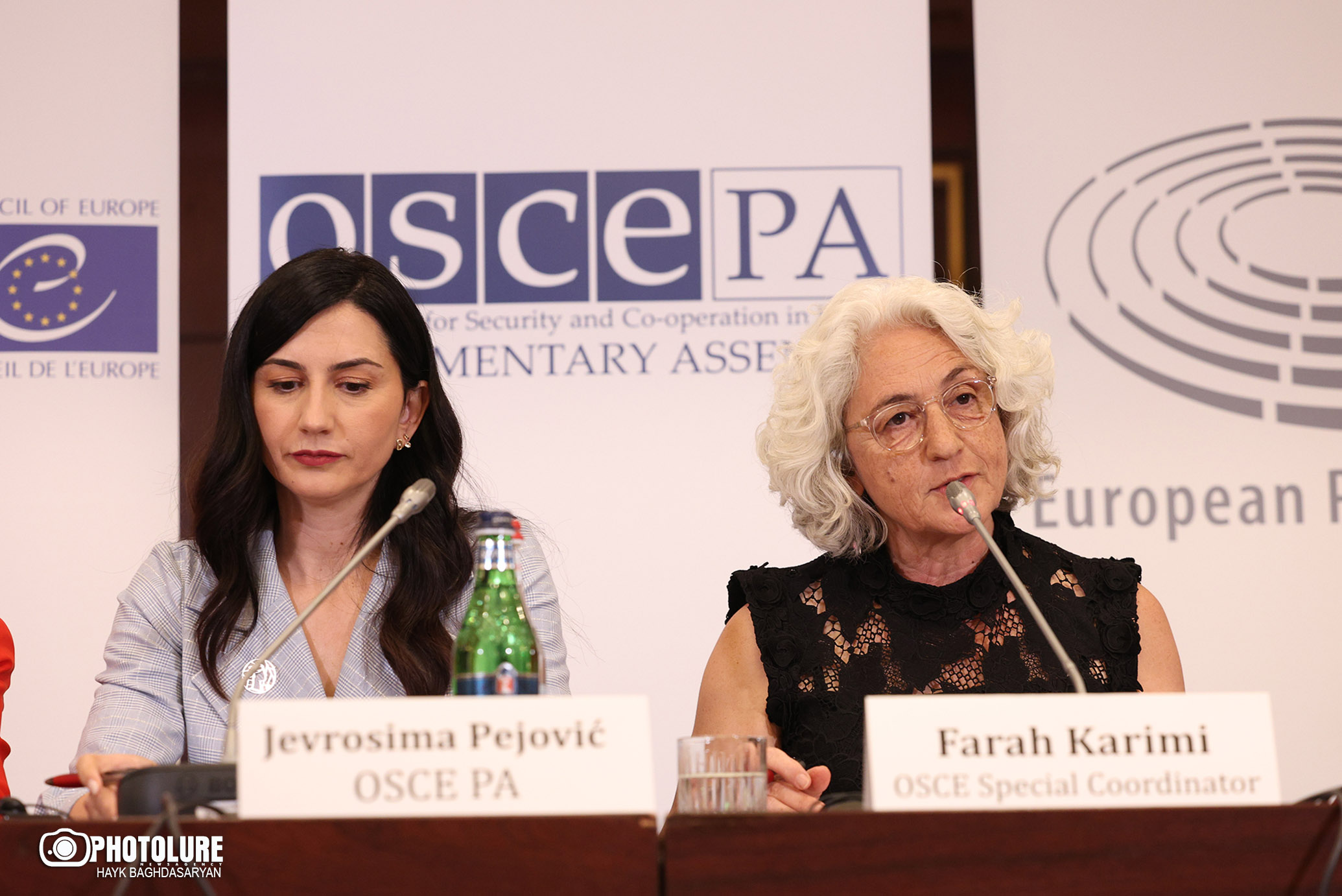
(Horizon Media / YEREVAN) – The preliminary findings of the International Election Observation Mission led by the OSCE Office for Democratic Institutions and Human Rights (ODIHR) have raised serious concerns about the political environment surrounding Armenia’s 7 June parliamentary elections, painting a picture of a campaign marred by polarization, pressure on the opposition, and the selective application of justice.
Although international observers acknowledged that election day itself was generally calm and technically well administered, their report makes clear that the period leading up to the vote was characterized by developments that undermined public confidence in the fairness of the electoral process.
Among the most significant findings was the impact of criminal proceedings and arrests targeting opposition figures and candidates during the campaign. The observers concluded that these prosecutions contributed to a widespread perception of selective justice, reinforcing concerns voiced by opposition parties that law enforcement institutions had become intertwined with political competition rather than remaining neutral arbiters of the law.
The report notes that the detention and prosecution of prominent opposition personalities fundamentally shaped the electoral landscape. While authorities maintained that the investigations were based on legal grounds, the timing and concentration of these actions against government critics created doubts about equal treatment before the law and the ability of all contestants to compete on an equal footing.
Observers also expressed concern over pressure exerted on public sector employees. Reports that state employees were encouraged or pressured to participate in events organized by the ruling party raised questions about the misuse of administrative resources and the separation between state institutions and partisan interests. Such practices, according to the mission, generated significant concerns regarding equality of opportunity during the campaign.
The overall campaign environment was described as deeply confrontational and divisive. The observation mission reported widespread allegations of vote-buying, intimidation, and other electoral violations, while noting that the hostile atmosphere discouraged several opposition actors from fully engaging in active campaigning. The prevalence of inflammatory rhetoric and personal attacks further contributed to an environment that failed to foster genuine democratic competition.
The report also highlights concerns regarding the broader media and political climate. Observers found that highly polarized political discourse, combined with aggressive language by leading political figures, diminished the quality of public debate. The increasingly hostile atmosphere surrounding political competition was seen as weakening voters’ ability to make informed choices free from undue pressure.
Despite numerous reports of major election violations, election-day procedures were generally assessed positively by the mission. However, the observers stressed that democratic elections cannot be judged solely by the conduct of voting on a single day. Rather, they emphasized that the integrity of the entire electoral process depends on the existence of a level playing field throughout the campaign period.
Taken together, the preliminary findings suggest that Armenia’s parliamentary elections unfolded against a backdrop of significant structural concerns. The arrests of opposition figures, perceptions of politically selective justice, reports of pressure on state employees, the extensive use of administrative resources, and an intensely polarized campaign environment all combined to cast doubt on whether political competitors were afforded genuinely equal conditions.
Although the formal mechanics of voting functioned largely as intended, the OSCE/ODIHR assessment indicates that the broader democratic environment preceding the election remained under considerable strain, leaving unresolved questions about the health of Armenia’s electoral and political institutions.

















Subscribe to our newsletter
