February 25, 2026
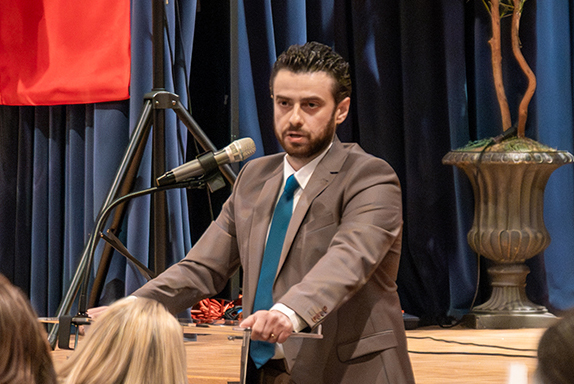
At the ARF’s 135th anniversary celebration in San Francisco on February 7, Dr. Kevork Hagopjian delivered the keynote address. Presented below is the text of his speech.
Tonight is a celebration—yes. But it is also a checkpoint. because the road behind us is long, earned with blood and sweat and carried by generations, but the road ahead is unforgiving and unstable.
Because 135 years is not just a number. It is three centuries touched by one mission: the late 1800s, the entire 1900s, and now the 21st century—an era where everything moves faster, hits harder, and punishes the unprepared.
And anniversaries tempt us into something comfortable: nostalgia. But in Davos, just weeks ago, Canada’s Prime Minister, Mark Carney, said something that should ring in every Armenian hall—from Yerevan, to San Francisco: “Nostalgia is not a strategy.”
So tonight, with love and respect for the past, I want to speak about strategy—not because it sounds impressive, but because an ARF anniversary is not only a celebration of what we’ve built; it is also a moment of accountability—a time to examine our strategy and renew our responsibility. And strategy begins with a critical look at reality.
So let me ask the questions that we must reflect on together: Are we truly meeting the urgency of this era—in a world where rules are broken every day, in a homeland under real security and institutional strain, and in a diaspora facing Armenophobia, assimilation, shifting demographics, and the aftershocks of recent collective trauma?
Or are we spending our energy on battles that make us smaller—instead of stronger?
Are we opening real pathways for young Armenians—Are we measuring impact by outcomes—or by meetings held, social media posts and likes we get?
And when we say “unity,” are we building it with discipline and humility— or trying to enforce it through blame and exclusion?
Because 135 years of service is not a lifetime membership card. It is a living obligation—renewed in every generation, proven in every crisis. Legacy isn’t a prize; it’s a duty. And that duty matters more than ever, because the world around us has changed—fundamentally.
The world we are in: the “pleasant fiction” is over
Prime Minister Carney described our moment as “a rupture in the world order… the end of a pleasant fiction.”
That phrase—pleasant fiction—is painfully familiar to Armenians.
We lived through a world that promised rules would restrain the power and institutions would protect the vulnerable. And then reality answered: sometimes it doesn’t.
Carney warned against the instinct “to go along to get along… to accommodate, to hope that compliance will buy safety.” And then he landed the line like a gavel: “Well, it won’t.”
Friends… that sentence is not Canadian. That sentence is Armenian reality.
We must read our region the way it is—not the way we wish it to be.
We are living in a post-hegemonic order. International law—and the so-called rules-based system—is being violated on a daily basis. In places that are not top priority for global powers, regional powers act first, and global ones decide what losses to absorb.
In our region we all recognize the pattern:
• A Turkey–Azerbaijan axis acting as a single strategic complex, pursuing corridor logic, pan-Turkick imperalism and military integration
• Russia as a constrained and reprioritizing arbiter
• Iran faces mounting internal instability and external pressure
• and the West engaging rhetorically, promoting “connectivity,” but avoiding coercive enforcement, what one author recently called a “hierarchical indifference.”
That’s not an invitation to cynicism. It’s an invitation to maturity. Not to say Armenia is doomed, but to remember that illusions kill faster than enemies.
And when the region is this unforgiving, the decisive front is not only the border—it is the inside. Because the identity battle is real: this is where nations either regenerate… or quietly hollow out.
In Armenia today, the fight is about the definition of the Armenian.
We are being sold a binary: “Real Armenia” versus “Historic Armenia.” The Prime Minister has framed “Real Armenia” as identifying the motherland with the internationally recognized state, and redefining patriotism as strengthening that state.
Let me say this clearly, because clarity is a form of respect:
We are not afraid of realism.
We are afraid of reduction and self-amputation.
Because when “realism” is used to teach a people that history is a burden, identity is a problem, and justice is “unhelpful”… that is not realism. That is a politics of managing defeat and capitulation.
And here’s the deeper truth: there is no contradiction between building a strong state and honoring historic Armenia. May 28 taught us that statehood is not a mood—it is a decision, made precisely when comfort is absent and survival demands courage.
So when someone says, “Forget the historic—focus only on the real,” our answer is: The real Armenia becomes stronger when it carries its history like a spine, not like a burden.
And that brings me to a second crisis, more dangerous than any slogan war: the unprecedent persecution of the Armenian Church by the so-called “democratic” government of Armenia. Friends, this isn’t a side show. It’s about a pan-Armenian fundamentally important institution. The Church is one of the few Armenian pillars that survived empires, statelessness, genocide, and Soviet atheism—and still kept a people standing.
Armenia’s constitution separates Church and state while recognizing the Church’s unique national mission—and by that standard, the government’s conduct reflects a serious breach of the state’s international duty of neutrality and impartiality in religious affairs.
let’s be honest: a government confident in its legitimacy does not need to pick fights with the soul of the nation—nor does it need to shift the public’s attention away from existential crises by manufacturing internal conflicts, or aiming to subordinate and control a pan-Armenian institution simply because it opposes the government’s policies and actions.
And this is the wider danger: the method being used against the Church is already being applied—almost unchanged—across the public square: against independent media and outspoken voices, against the oppositoon, against civil society, and legitimate political parties. While we renew our call to release the “political prisoners” in Armenia, the point is the same: a state that fears criticism drifts toward authoritarian habits. ARF’s line is clear: protect free expression, demand due process, and reject a politics that jails voices instead of answering them.
And yes—we must speak about the so-called “peace process” with Azerbaijan.
Peace is not a press conference. Peace is not a photo at the White House. The U.S.-brokered framework and the August 2025 summit were presented as a breakthrough, tied to a major transit package now branded as the TRIPP Project.
But here are the profound concerns: a “peace” secured under the threat of force and sustained by permanent pressure—especially one that erases the rights of the indigenous Armenian people of Artsakh, while occupation of Armenian lands and the detention of POWs and hostages continue—is not peace. Peace is not merely the absence of gunfire; it is the presence of credible guarantees. And today, those guarantees are absent. While Baku’s demands for ever more concessions—and its Armenophobic rhetoric—continue to expand, there is no credible security guarantee: no enforceable mechanism, no reliable deterrent, and no meaningful consequence that would restrain renewed aggression.
And America’s role matters here—because it is no longer just mediator; it is a stakeholder. TRIPP is presented as prosperity and stability, and it may create some opportunities—but it is also part of a broader strategic landscape. So our responsibility is simple: welcome engagement, build partnerships, but never outsource Armenia’s security and sovereignty or confuse any power’s geopolitical gain with our national guarantees.
We want peace—but not a peace that shrinks us. Not a peace that trains Armenians to lower their expectations, soften their demands, or blur their memory and aspiration for justice. So yes—we want peace. Բայց՝ խաղաղութիւն արժանապատուութեամբ. Peace with dignity. Խաղաղութիւն՝ արդարութեան վերականգնումով.
And now—add the pressure cooker of the upcoming elections. We are speaking about the next few months. Which means this is the moment for a different kind of opposition message—one that doesn’t just complain, but offers a valid and national alternative.
This election must produce new national leadership—not out of anger, but out of existential necessity—because the cost of staying on the current path has been devastating: a collapse of security and deterrence, the loss of Artsakh for the first time in History, the normalization of defeat and humiliation as “realism,” deep fractures in national unity, and a dangerous erosion of trust in institutions at the very moment we needed cohesion most. New leadership means a mandate to rebuild security, competence, accountability, and dignity—and to pursue peace without surrender, reform without self-erasure, and unity without fear.
And as we approach that moment, we should be honest with ourselves: if we rely on the same habits, the same methods, the same playbook, we should not expect different outcomes. We must organize smarter, persuade wider, ensure a united opposition block to prevent fragmentation of votes and speak to the hearts and minds of the whole nation. And whatever the results bring, we must not allow disappointment to turn into paralysis or bitterness. Elections are not the end of the struggle, they are a test of discipline.
Here, I would like to quote a section from Simon Vratsian’s “Խարխափումներ” addressed to Hovhannes Kachaznouni: Քաղաքական Կուսակցութեան դերն է հասկնալ ժողովրդական զանգուածների տրամադրութիւնները, ներքին բնազդով ըմբռնել կյանքում հասունացող խնդիրները, գիտակցել տարերային կերպով սկսվող շարժումները եւ նրանց ընթացք եւ ուղղութիւն տալ՝ համաձայն իր հիմնական սկզբունքների:
And that is where the ARF’s role becomes crucial, to help unify what can be unified and to turn national frustration into a credible alternative.
And our loyalty—tonight, always—is not to a chair, is not to certain individuals.
It is to Armenia and the Armenian people worldwide. We defend Armenia by building strength that outlives any one government: strength of institutions, strength of law, strength of national identity, of national dignity—and strength of civic responsibility.
Now, about 135 years: time doesn’t grant legitimacy—service does. History can’t be our shield; it must be our standard.
In the UK, for example, parties rarely boast about age pr campaign on holw old they are. Legitimacy is renewed through performance, because statehood is stable. Armenians didn’t have that luxury. Our schools, churches, youth movements, and relief networks weren’t “extras”, they were statehood in exile, holding a nation together and ensuring continuity when the map was against us.
So yes—we honor that trajectory. But we will not live on yesterday’s credit. Դաշնակցութիւն—is not a museum tradition.
Tonight, I don’t want to list accomplishments like trophies. I want to name only one of them as evidence—because in times like these, credibility isn’t inherited… it’s earned.
When we say “we stand with our prisoners,” that cannot be only a sentence we applaud. It has to be a legal file, sustained advocacy and Track II diplomacy, and relentless follow-through.
That’s why I’m proud—quietly proud—of the work being done through institutions rooted in our movement. Through the ARF’s initiative, legal capacity, and partner networks, the Armenian Legal Center for Justice & Human Rights—working shoulder-to-shoulder with colleagues in Armenia—has been representing over 120 repatriated POWs and their families before the European Court of Human Rights, and has filed over 400 cases protecting the rights of more than 1,000 displaced Artsakh Armenians—their property, identity, and right of return—with hundreds more in the pipeline. And this work does not stop in Strasbourg: it has gone into UN human-rights mechanisms—treaty bodies, Special Rapporteurs, working groups, and the Universal Periodic Review—because evidence that isn’t documented becomes disposable.
I’m sharing this not to show off, but to state a fact our people need to hear: in an age when impunity is marketed as “stability,” we are still building files, building pressure, and building accountability—case by case, name by name, right by right.
Now zoom out for a second—because legal work is one pillar, not the whole temple.
One of the reasons ARF has remained relevant—is that it is not only a political label. It is one of the very few pan-Armenian ecosystems that operates daily—from Armenia’s political life to dozens of communities across the world. We operate 24/7 through a vast network of political, social, cultural, youth, educational organizations—training youth, advancing culture, shaping identity, advocating in the halls of congress, engaging in political and electoral processes, building civic capacity, providing humanitarian and relief support, organizing communities, defending rights—across continents.
This is what I mean by a living network: not a party that simply has history, an ecosystem that produces service, produces tangible results, produces leadership and sustainability. Which brings me to the soul of the diaspora agenda.
We are in San Francisco, but we are also in the global Armenian capital of capability.
We have lawyers, engineers, nurses, entrepreneurs, artists, veterans, educators—people who can turn national pain into national capacity.
So what must the diaspora do—now? What ARF should coordinate:
A. Treat Armenia’s security and sovereignty as a systems project
Not vibes. Not Facebook posts. Not occasional donations when tragedy trends.
A system means:
• serious support for defense modernization, resilience, civil protection
• strategic communication and policy advocacy that is year-round for Armenia’s Security, For Artsakhtsis right to return, for the preservation of cultural heritage and the release of POWs in Baku.
• investment that builds productivity, not dependency
B. Continue Building a pro-Armenian public square in America
If we don’t show up, decisions get made without us.
We must:
• recruit and train young Armenians for public service
• build coalitions beyond the Armenian bubble
• fund media, research, and rapid response
• and yes—vote, organize, and hold elected officials accountable
If the U.S. is playing a larger role in our region, then Armenian-American influence must be consistent, credible, and strategic. That means policy work that is year-round—like ANCA’s push to tie U.S. policy to concrete conditions for peace and accountability, not vague promises.
C. Reinvent service: “մշակ, բանվոր, ռենչպեր, ախպեր” the worker, the laborer, the farmer, the brother.
Because our people don’t need more spectators. They need more builders.
Մշակ, բանուոր, ռենչպեր, ախպեր—the worker spirit. The doer spirit. The one who doesn’t wait for permission to serve.
And if we stay faithful to that—if we keep choosing the hard, unglamorous work that actually changes outcomes—then the next chapter of Armenian life will continue carrying our fingerprints—because we will have shaped it, built it, and led it.
This is not romantic poetry. It is a worldview.
And let me be very direct: If our political culture becomes only blaming “նիկոլականներ,” or mocking the indifferent, or shaming the disappointed… we will create more silence and more distance from our people, not more strength and not more hamagirs.
So instead of asking, “Where are the masses?”
Let’s ask: What did we build this year that made it easier for people to join? And just as important: how did we translate our service—into stories and results our people can see, trust, and rally around?
And one more diaspora obligation—especially here in San Francisco—is community safety in the face of rising Armenophobia. This isn’t abstract: our churches and schools have been targeted before here in San Francisco. And we’ve seen how quickly prejudice and racism can be mainstreamed. Just ten days ago, CMS Administrator Oz’s video discussed alleged fraud in a way that used ethnic cues—Armenian identity and language—as markers of criminality. That is exactly why our diaspora mission must include rapid, disciplined civil-rights defense: demanding corrections when officials cross the line, building coalitions, and working with civic and law-enforcement partners to keep our churches, schools, and businesses safe. Մեր անվտանգութիւնը սակարկելի չէ։
And this is exactly where the diaspora must grow up—not in emotion, but in function.
Because the diaspora is not an audience. And our giving is not a transaction—it is a form of nation-building. In other words, the Armenian diaspora is meant to be a strategic partner in national project—with clarity, discipline, and results.
Lastly, after the tragedies since 2020, I’ve heard a painful, somehow understandable argument—«Պէտք է Սփիւռքի վրայ կեդրոնանանք… երեսուն տարի Հայաստանի վրայ կեդրոնացանք, տեսանք ինչ եղաւ… պէտք է սփիւռքեան օրակարգ ձեւաւորենք»—I hear the frustration behind it, but it is also a dangerous and alarming conclusion.
Let’s be honest: the diaspora agenda has always existed. Our schools, press, churches, youth movements, relief networks, those were not hobbies. They were survival architecture.
What’s new is not the need for a diaspora agenda. What’s new it seems is the temptation to turn it into a substitute for Armenia—an escape from pain, disappointment, and fatigue.
Scientifically speaking being “diasporan” is not merely living outside the homeland; it is defined by an active physical, mental, and spiritual bond with the հայրենիք—concern, communication, support, and contribution.
Yes after the second independence, too many communities lost balance—structures weakened, were not modernized, and became thin. Yes—we must reform and strengthen diaspora institutions urgently.Yes we must find the required resources to do so. If we want to help others, we must also put our oxygen mask on first: expand our outreach to wider Armenian communities, attract new talents, promote inclusiveness, strengthen our schools, language, youth leadership, media, and community life.
But the oxygen mask is not for abandoning the cabin. It’s for staying conscious so we can help. And we do not turn our face away from our homeland when it is most vulnerable—any more than we would abandon a fragile parent because caring became difficult.
So our message is not “diaspora or homeland.” It is homeland and diaspora—a single national ecosystem with two vital centers, two lungs of one body. If one weakens, the whole nation struggles to breathe. A strong Republic anchors diaspora identity and purpose; a healthy, modern, organized diaspora strengthens the Republic through capacity, advocacy, and service. Each sustains the other—strategically, institutionally, and generationally.
And that is exactly why we need a compass: one clear direction that keeps homeland and diaspora aligned when emotions shift and circumstances change.
Our Ծրագիր has never been a slogan. It is a direction: Ազատ, Անկախ ու Միացեալ Հայաստան. In this era, after that rupture in the world order, when the “pleasant fiction” is over and rules are violated daily, Ազատ is not only freedom from empire—it is freedom from corruption, resignation, and the politics of lowered expectations. Անկախ is not isolation—it is the ability to defend our sovereignty, diversify our partnerships and allies, and negotiate without a gun to our head.
And yes—let’s be responsible and straightforward: “Միացեալ” also carries historic and legal claims—the reality that our nation has rights tied to occupied Armenian lands and international obligations that were never honored. But in this century, we do not treat that as a fantasy—or as a call to violence. We treat it as a rights framework: we preserve our claims, we pursue justice through legal and diplomatic mechanisms, and we refuse to sign away what our people are entitled to under international law—even as our immediate priority is to strengthen Armenia’s sovereignty, security and defense capacities today.
And I’ll say this without romanticism: this is a compass, not a calendar or a timetable. We are not promising that every part of this program is achieved soon. We are stating a conviction, a belief we must pass to the next generation, that we will not renounce our rights, we will pursue them through lawful and strategic means, through strong alliances and partnerships, through strengthening ourselves, Armenia and the Diaspora we have today so that justice becomes possible sooner or later.
Finally we must stop confusing continuity with comfort. Continuity means we carry the core: justice, dignity, national identity, solidarity, service. Reform means we change the container: how we communicate, how we serve, how we empower women and youth, how we measure impact, not intentions.
If the next generation hears only grief and anger, they will leave.
If they hear only nostalgia, they will tune out.
But if they see a movement that is serious, modern, competent, and morally grounded—they will run toward it.
So, San Francisco—tonight we don’t celebrate age.
We celebrate capacity.
We celebrate duty.
We celebrate the decision to serve.
Because remember how we began: tonight is a checkpoint—because the road behind us was earned with blood and sweat, and the road ahead is unforgiving and uncertain.
And at a checkpoint, You decide how you will move forward.
The future will not be saved by only what we remember—
it will be saved by what we do now.
And when words fail, we return to the vow that has carried generations—the դաշնակցական երդում—not as nostalgia, but as fuel.
May we leave this room more united, more disciplined, more accountable—and more ready to serve.
Յառա՛ջ։
Dr. Kevork Hagopjian is an attorney and human rights advocate with expertise in international law, minority rights, civil litigation, and community engagement. He holds a Ph.D. in Law from the University of Vienna, along with two LL.M. degrees in Public International Law from SOAS, University of London and U.S. Law from George Mason University as well as an LL.B. from University of Aleppo. His doctoral research led to the publication of a book on “The rights of Armenian minorities in Lebanon and Turkey under National and International law”. In addition to legal practice, he facilitates dialogue and peacebuilding efforts in divided or post-conflict communities. With experience spanning legal, intergovernmental, nonprofit and civil society sectors, Dr Hagopjian remains actively engaged in global conversations on justice, accountability, and human dignity.














Subscribe to our newsletter
