Is Autocracy Threatening Democracy in Armenia?
- (0)
By Ivan Ardhaldjian
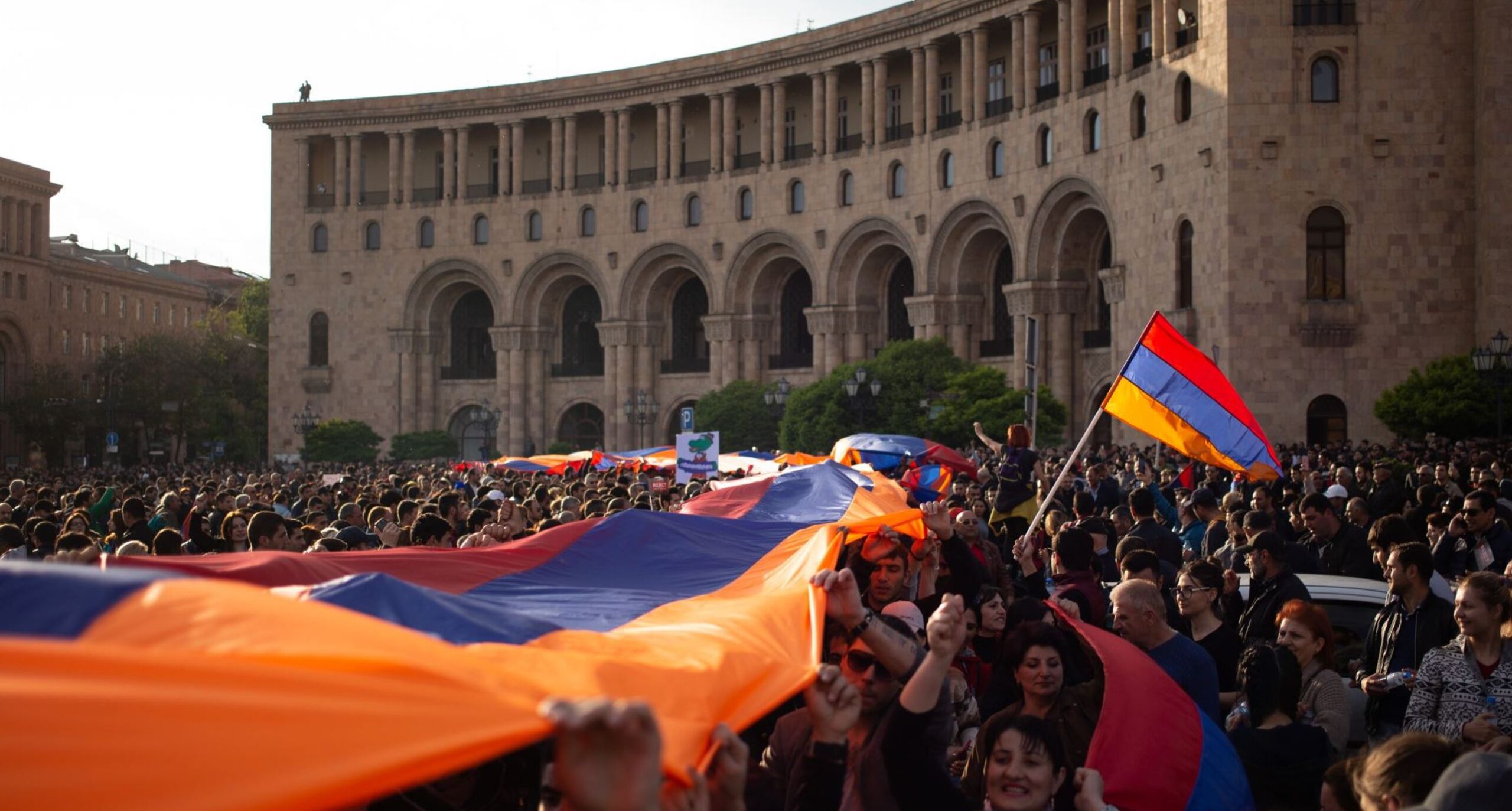
In recent months, Armenia has witnessed a wave of increasingly extreme actions by the ruling Civil Contract party, actions framed as measures to protect the people and defend national security, but which in practice appear to systematically target the opposition, civil society, and even the Church. These moves, led and promoted by Prime Minister Nikol Pashinyan and executed by state institutions and local authorities, signal a troubling drift toward authoritarianism, pushing the boundaries of democratic norms under the pretext of defending them.
While the signs are numerous, several developments stand out:
_ June 8, 2025 – Prime Minister Pashinyan publicly accused Catholicos Karekin II of violating his celibacy by allegedly fathering a child, and called for his resignation. A direct attack on the leadership of the Armenian Apostolic Church.
_ June 18, 2025 – Armenian billionaire Samvel Karapetyan was arrested on charges of inciting rebellion. Within days, state authorities moved to nationalize his company, Electric Networks of Armenia, raising concerns about politically motivated asset seizures.
_ June 2025 – Clergy members Archbishop Bagrat Galstanyan and Archbishop Mikael Ajapahyan, vocal critics of the government, were detained by authorities.
_ June 30, 2025 – Supporters of Karapetyan displayed banners reading “Freedom to Samvel Karapetyan” on private properties. Municipal authorities forcibly removed the banners, citing unregistered advertisements. When supporters contacted the police, they were told to take the matter to court effectively deferring justice while allowing government action to stand.
_ June 2025 – Opposition MPs Artur Sargsyan, Seyran Ohanyan, and Artsvik Minasyan were stripped of parliamentary immunity and now face criminal charges.
_ June 2025 – Pashinyan publicly declared his intent to personally lead the “liberation” of the Armenian Apostolic Church, labeling its leadership as “anti_Christ” and “anti_state,” and vowing: “I will lead that liberation.”
_ July 2025 – National Security Service arrested seven members of the ARF on terrorism charges. The arrests were widely publicized, with staged photos of paintball guns and T_shirts circulated through pro_government media. Days later, five of the accused were quietly released, while two remain under investigation.
Throughout these developments, prominent Civil Contract figures aggressively amplified unverified claims, often presenting accusations as fact well before any judicial review.
The timing, coordination, and publicity of these actions strongly suggest the deliberate use of state power for political gain, often under the impression of legality. The pattern reveals systemic abuse of administrative tools such as advertising regulations, permit laws, and court delays to silence dissent and intimidate critics. Shifting the burden to citizens and institutions to seek justice through slow_moving courts, the ruling party effectively implements its decisions without judicial accountability.
This not only erodes due process and the presumption of innocence, but also weaponizes governance to delegitimize, neutralize, and discredit political opposition.
What we are witnessing is not simply abuse of power but calculated dismantling of democratic safeguards under the cover of legality.