April 02, 2026
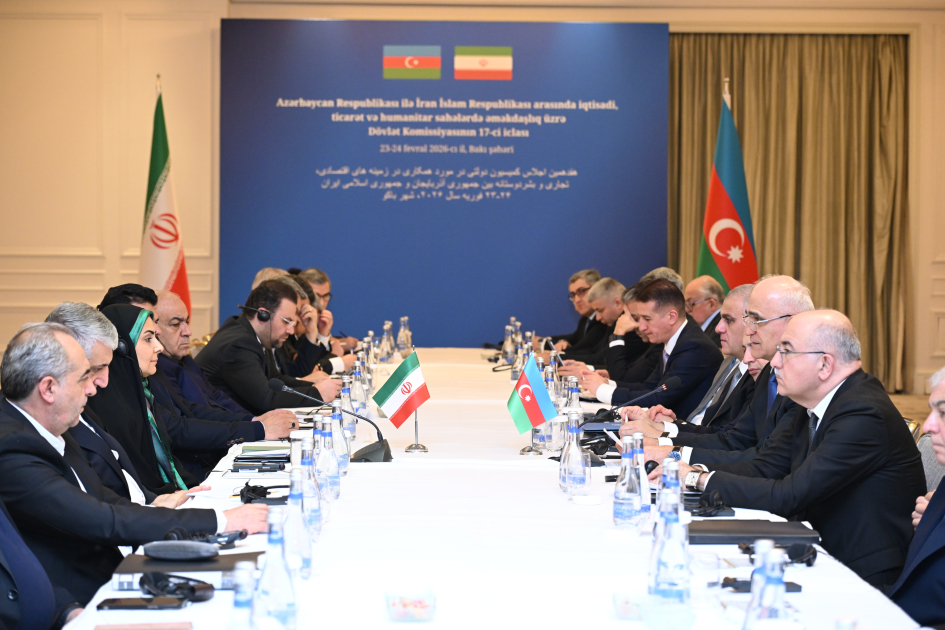
(Horizon Weekly) — Iran and Azerbaijan have signed a wide-ranging memorandum of understanding aimed at deepening bilateral cooperation across transport, energy, infrastructure and trade.
The agreement was concluded during the 17th session of the Iran–Azerbaijan Joint Economic Committee in Baku and was signed by Iran’s Minister of Transport and Urban Development, Farzaneh Sadegh, and Azerbaijan’s Deputy Prime Minister, Shahin Mustafayev.
The framework outlines joint initiatives in 10 sectors, including road and rail connectivity, electricity grid integration, water management, oil cooperation, tourism, agriculture and investment. Major infrastructure projects include the Kalaleh–Aghband bridge, upgrades to cross-border roads, the expansion of the Astara rail terminal, and further development of railway links connecting the two countries.
Energy cooperation featured prominently in the talks. The sides approved follow-up mechanisms for joint oil fields in the Caspian Sea and agreed to expand electricity interconnection projects linking Iran, Azerbaijan and Russia. Water projects along the Aras River, including the Khoda Afarin and Qiz Qalesi dams, were also highlighted as strategic priorities.
A central objective for Tehran is to increase transit volumes along the western branch of the International North–South Transit Corridor to 15 million tons annually by 2030. Iranian officials emphasized that achieving this target will require significant upgrades to border infrastructure and the completion of key rail segments, particularly the Rasht–Astara link.
During her visit, Sadegh also met with Azerbaijani President Ilham Aliyev to review progress on joint railway and energy projects. Both sides underscored the importance of expanding regional transit corridors and strengthening economic integration.
Bilateral trade between Iran and Azerbaijan has reached approximately $650 million over the past two years, with cross-border freight movements continuing to rise. Officials described transport connectivity and shared infrastructure development as the backbone of Tehran–Baku relations moving forward.
The agreements reached in Baku are expected to accelerate cooperation under the broader regional connectivity framework and further position both countries as key transit hubs linking Russia, the Caucasus and the Persian Gulf.

















Subscribe to our newsletter