October 06, 2026
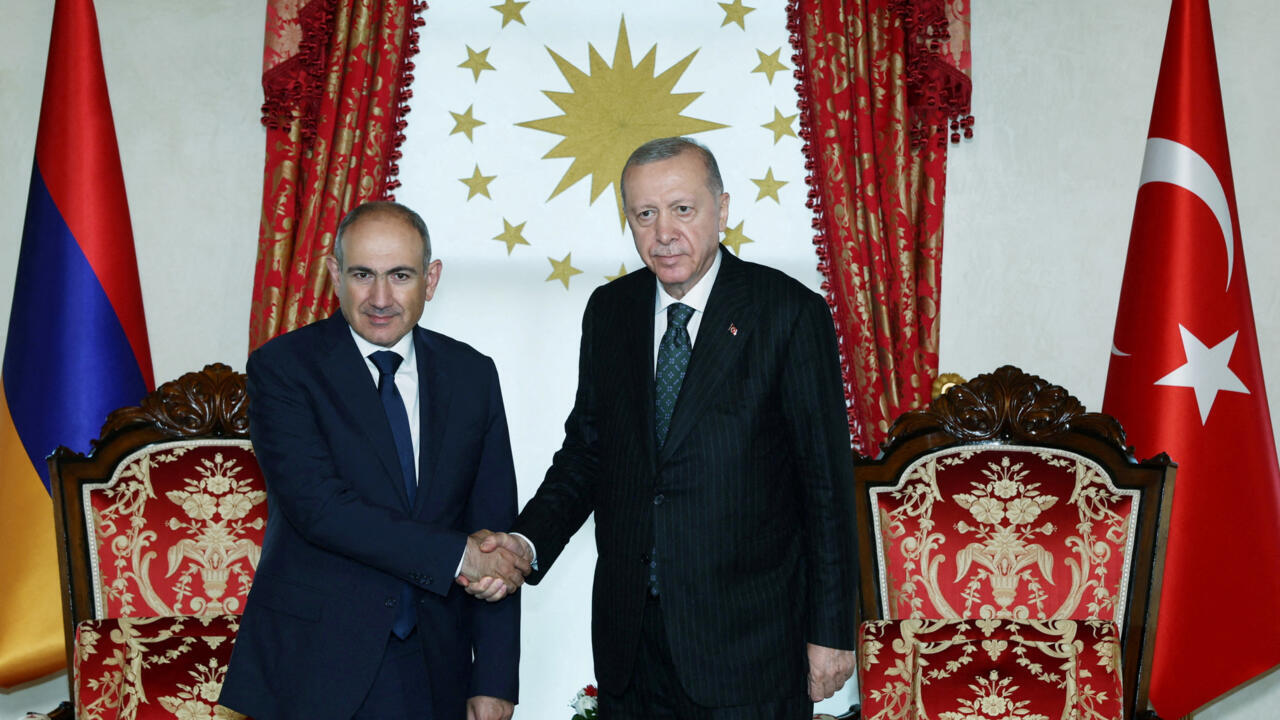
(Horizon Media / YEREVAN) — Turkish President Recep Tayyip Erdogan and Armenian Prime Minister Nikol Pashinyan held a telephone conversation on June 2, focusing on the ongoing normalization process between Armenia and Turkey, including steps aimed at launching direct trade between the two countries.
According to the Turkish presidency, Erdogan told Pashinyan that efforts to normalize relations are continuing through practical measures aimed at establishing direct commercial links between Ankara and Yerevan. The call comes amid growing signs that both governments are accelerating the process, with Turkish officials recently stating that technical preparations for direct trade have been completed and that work related to reopening the long-closed land border is continuing.
The conversation followed Pashinyan’s defeatist remarks on the campaign trail one day earlier, in which he presented normalization with both Turkey and Azerbaijan as a strategic necessity rather than a political choice. Arguing that Armenia cannot afford to remain isolated from its neighbours, Pashinyan said that the absence of relations with Ankara exacts a cost to the country’s security and international standing.
The Armenian government has also announced plans to rehabilitate the Gyumri-Akhurik-Akyaka railway connection with Turkey, while construction work is reportedly already underway on the Turkish side of the border.
The renewed momentum comes despite the fact that the Armenia-Turkey normalization process remains largely disconnected from longstanding Armenian concerns, including the absence of diplomatic recognition of the Armenian Genocide by Ankara, continued Turkish support for Azerbaijan’s maximalist positions, and the unresolved consequences of the Artsakh conflict. Many within Armenian society question the asymmetrical nature of the process, arguing that Yerevan has repeatedly made concessions and confidence-building gestures while receiving few concrete political guarantees in return.
The timing of the latest high-level contact is also likely to attract attention as Armenia enters the final days of its parliamentary election campaign. With Pashinyan increasingly portraying normalization with Turkey and Azerbaijan as central pillars of his government’s regional strategy, many contend that the initiative is being presented to voters as an unavoidable geopolitical reality rather than as a policy choice open to democratic debate.
Turkey closed its border with Armenia in 1993 during the First Artsakh War in support of Azerbaijan. While several previous attempts at normalization, including the 2009 Zurich Protocols, failed to produce lasting results, the current process has advanced further than any previous effort, raising questions about its long-term political, economic and security implications for Armenia.
















Subscribe to our newsletter