
Canada’s 2025 Federal Budget Unveiled: Major Investments, Rising Deficit
- (0)
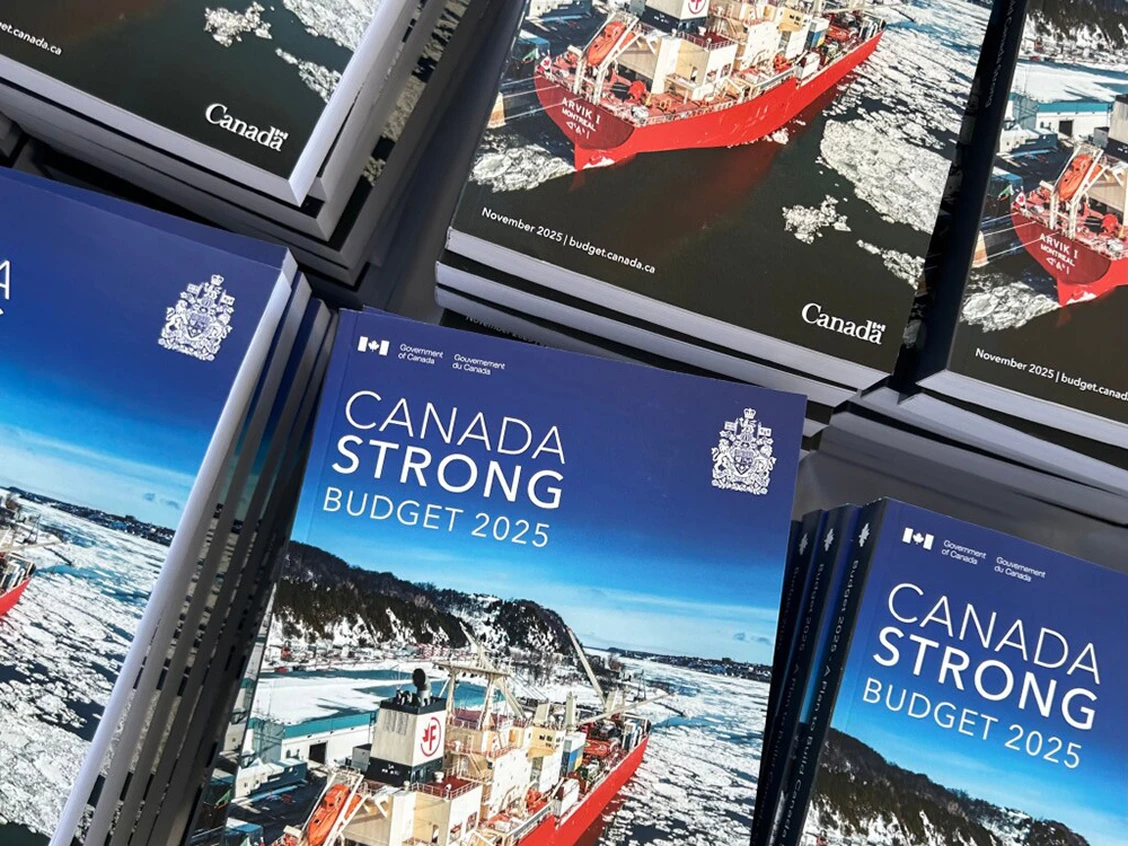
On November 4, 2025, the Government of Canada unveiled its first federal budget under Prime Minister Mark Carney, describing it as a “generational investment plan” aimed at strengthening the economy, building national resilience, and supporting Canadians through global uncertainty.
The 2025 budget projects a deficit of $78.3 billion, more than double that of the previous year, as Ottawa launches large-scale spending on housing, infrastructure, defence, and innovation. While acknowledging the higher deficit, the government stressed that Canada still maintains one of the lowest net debt-to-GDP ratios among G7 countries, keeping its overall fiscal position stable.
At the core of the budget are three themes – building a stronger Canadian economy, protecting national interests, and empowering Canadians. Nearly $36 billion will go toward a new Local Infrastructure Fund to upgrade roads, bridges, and transit systems across the country. Significant funding is also directed to affordable housing and clean-technology initiatives meant to boost productivity and create jobs. On national security, the government is pledging increased defence spending and support for domestic production of critical goods to strengthen Canada’s sovereignty and reduce dependence on foreign suppliers.
To address affordability challenges, the budget includes tax relief for middle-income earners, expanded childcare supports, and measures to reduce household expenses such as internet and energy costs. Carney said these initiatives are intended to “empower Canadians to meet the moment and build a fairer, stronger economy.”
Housing remains a central focus. The government calls its plan “the most ambitious housing strategy in a generation,” promising new tools to speed up construction, streamline approvals, and help first-time buyers enter the market. The issue has become one of the most pressing for Canadians, particularly in major cities where home prices and rents continue to soar.
To balance spending with fiscal discipline, the government introduced a Comprehensive Expenditure Review that aims to save roughly $60 billion over five years by streamlining operations and cutting inefficiencies. The fiscal plan forecasts that the operating budget will approach balance by 2028–29, even as capital investments continue at an elevated pace.
Carney described the approach as prioritizing long-term strength over short-term restraint, arguing that investing in infrastructure and innovation now will yield sustainable economic growth later. “This is not a time for standing still,” he said. “It’s a time to build.”
The budget arrives amid global trade shifts and economic headwinds that have challenged Canada’s competitiveness. It signals a move toward greater self-reliance and diversification, positioning public investment as both an economic driver and a shield against global instability.
Parliament will now debate the fiscal package in the coming weeks. Opposition parties are expected to question the scale of spending and the expanding deficit, but the government maintains that the budget sets a new course for Canada’s economic future, one focused on resilience, innovation, and opportunity.
Photo by Adam Huras / Brunswick News