
November 11, 2026
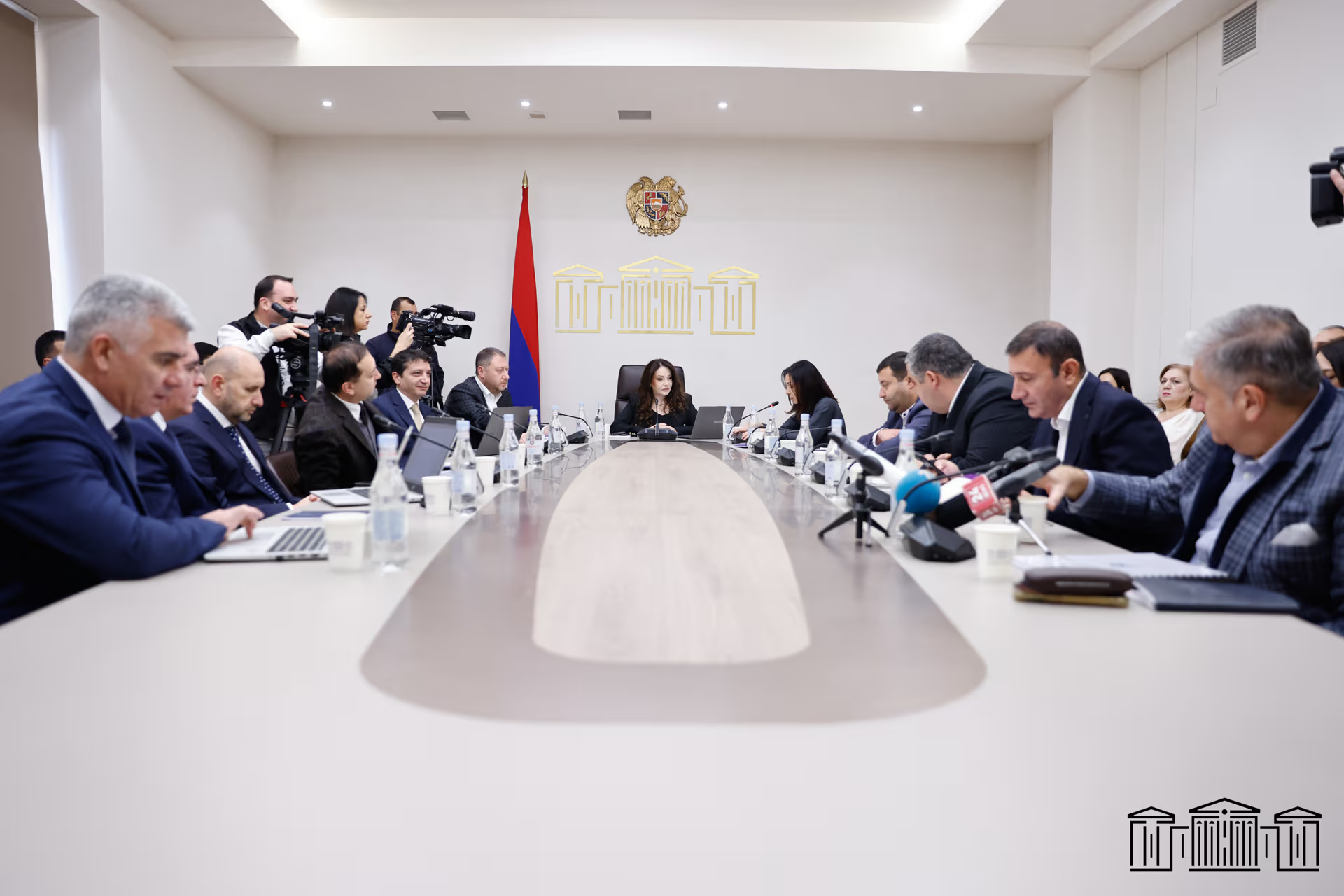
YEREVAN — An Armenian parliamentary committee has approved proposed amendments to the Tax Code that would allow taxpayers to direct part of their paid income tax toward political parties, media organizations and non-governmental organizations.
The National Assembly’s Standing Committee on Financial-Credit and Budgetary Affairs endorsed the bill on November 11 by five votes to three.
Deputy Finance Minister Hamlet Sahakyan presented the proposal, explaining that eligible organizations would be included in the electronic income-tax declaration system, allowing citizens to select the beneficiaries they wish to support.
The mechanism would treat qualifying contributions as social expenditures, subject to conditions established by the government.
However, important elements remain unresolved.
The criteria governing beneficiary eligibility and the maximum contribution permitted under the scheme are to be finalized through a government decision.
During the committee discussion, lawmakers raised concerns about transparency, the protection of citizens’ political preferences and the possibility of pressure or discrimination in the allocation process.
Sahakyan stated that the proposed eligibility rules would not involve assessments of organizations’ editorial or political content.
He outlined preliminary requirements, including at least two years of registration, compliance with tax obligations and the submission of specified financial reports.
Finance Minister Vahe Hovhannisyan subsequently confirmed that the maximum amount taxpayers would be allowed to allocate had not yet been established.
He also explained that individuals would need an unused balance of paid income tax to participate.
While the mechanism could provide an additional funding source for independent organizations and political parties, the government’s authority to establish the eligibility framework raises important questions about institutional independence, transparency and equal treatment.
These questions are especially relevant to media organizations and political parties that critically scrutinize the authorities.
The bill has received committee approval but has not yet been enacted into law.














Subscribe to our newsletter
