Armenian hostages raised in Vance–Aliyev talks, no clarity on outcome
- (0)
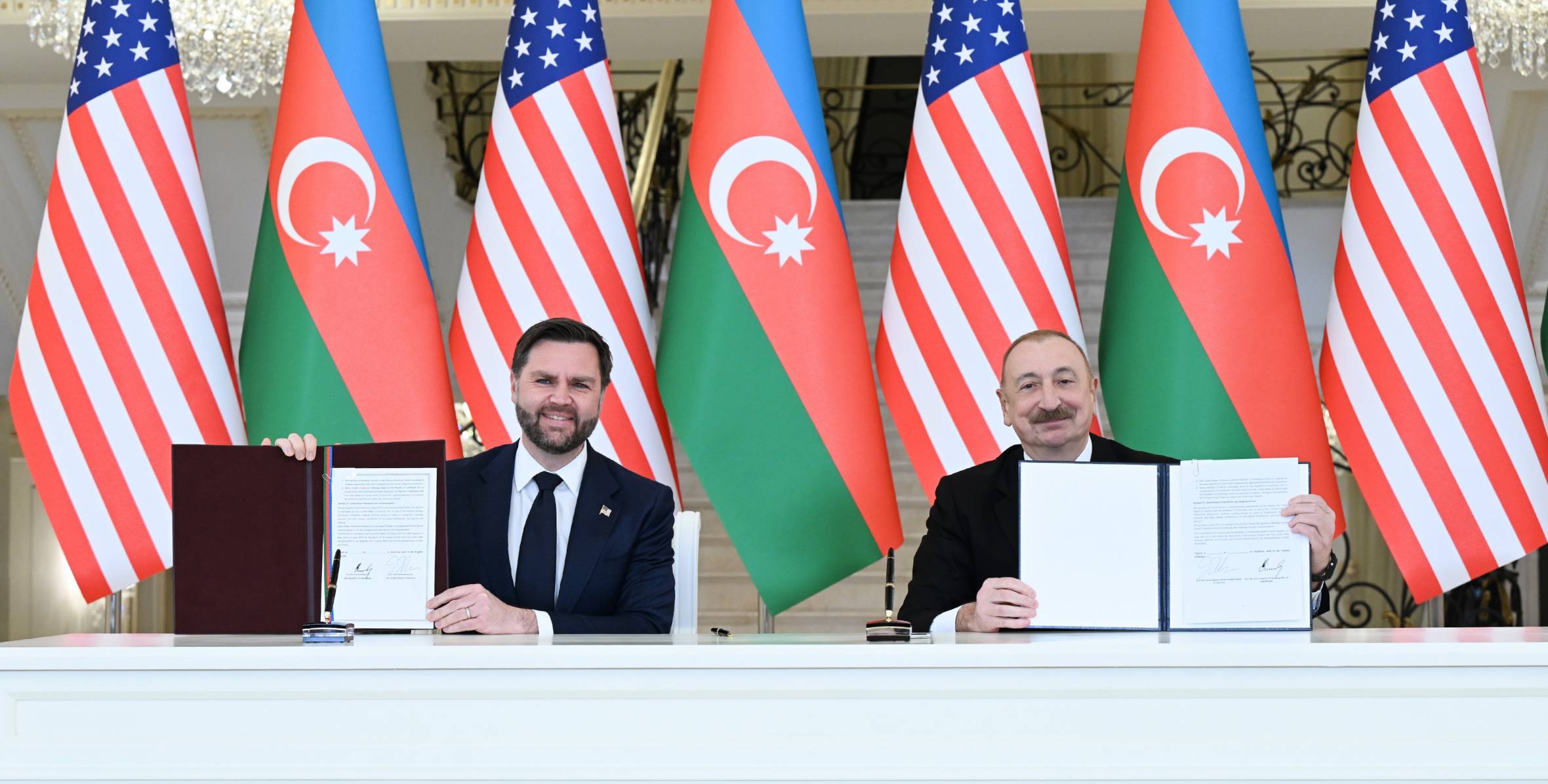
(Horizon Weekly) – U.S. Vice President J.D. Vance raised the issue of Armenian detainees during his meeting with Azerbaijani President Ilham Aliyev in Baku, according to remarks attributed to his spokesperson.
The discussions reportedly centred on next steps in former President Donald Trump’s initiative to advance an Armenia–Azerbaijan peace framework, with an emphasis on trade, regional connectivity, technology, and the so-called Trump Route for International Peace and Prosperity (TRIPP). Confidence-building measures, including the issue of Armenian prisoners, were also referenced. Yet Washington has not clarified how Aliyev responded or whether any tangible progress was made regarding Armenian prisoners, some of whom are serving lengthy or life sentences in Azerbaijan.
During the visit, the United States and Azerbaijan signed a Charter on Strategic Partnership, formalizing a broader bilateral agenda. The agreement highlights cooperation along the Trans-Caspian “Middle Corridor” and TRIPP, as well as expanded ties in energy, investment, digital infrastructure, artificial intelligence, and security, including defence coordination and humanitarian demining. The charter establishes working groups and annual review mechanisms, underscoring a deepening U.S.–Azerbaijan alignment at a time when Armenian prisoners remain behind bars.
Vance’s stop in Baku followed a February 9–10 visit to Armenia, where he met Prime Minister Nikol Pashinyan and announced steps aimed at strengthening Armenia–U.S. relations. In Yerevan, he visited the Tsitsernakaberd Armenian Genocide Memorial and initially posted on X using the term “Armenian Genocide,” only to delete the reference in a subsequent version of the statement.
At a joint press conference in Yerevan, Vance went further than diplomatic courtesies, explicitly endorsing Pashinyan’s leadership and reform agenda ahead of Armenia’s June parliamentary elections. The endorsement is widely seen as a direct political intervention in a fragile pre-election environment, even as Washington frames its engagement as support for regional peace and stability.
Related Articles

February 11, 2026
Վասն հաւատոյ եւ վասն հայրենեաց

February 11, 2026