February 20, 2026
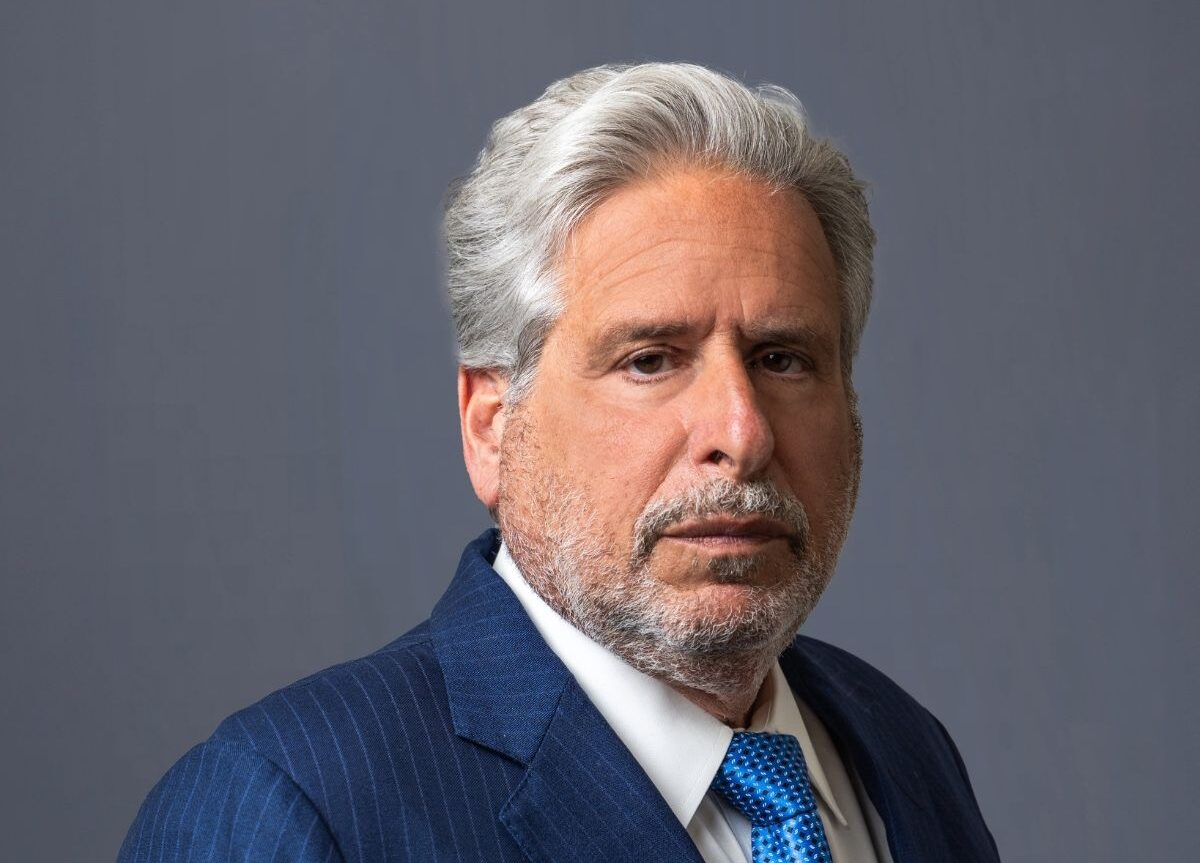
(Horizon Weekly) – International legal expert Robert Amsterdam, founder of Amsterdam & Partners LLP, has sharply criticized the Armenian government’s recent actions regarding the Armenian Apostolic Church, calling them a serious breach of democratic norms and constitutional principles.
In a Facebook post, Amsterdam argued that Prime Minister Nikol Pashinyan and his government’s involvement in internal church matters constitutes a direct challenge to the separation between state and church. He warned that such actions undermine both democratic governance and the rule of law.
Amsterdam drew a stark historical comparison, saying the developments reminded him of only one precedent: the Bolshevik-era campaigns that sought to fracture and control the Church through state pressure. He stressed that attempts to divide or subordinate religious institutions to political authority have historically caused profound societal harm.
Emphasizing his firm’s position, Amsterdam stated that these actions would not go unchallenged. He affirmed that efforts are underway to defend the freedom of the Armenian Apostolic Church through lawful means, including recourse to international legal mechanisms.
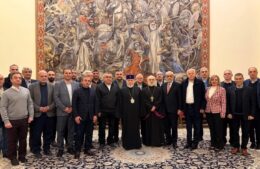
The remarks come amid heightened tensions following a joint statement by Prime Minister Pashinyan and ten bishops and archbishops who have publicly called for the Catholicos’s resignation and the implementation of what they call “church reforms.” The statement was read aloud by the prime minister during a Facebook livestream and subsequently signed by the participating clerics.
Shortly thereafter, Pashinyan announced the creation of a coordinating council to oversee a reform process within the Church. According to the announcement, any expansion of this council would require unanimous consent, a condition that has raised further questions about state involvement in ecclesiastical governance.
The unfolding situation has sparked growing outrage in Armenia and the diaspora over constitutional boundaries, religious autonomy, and the appropriate limits of government authority in the country’s spiritual and institutional life.













Subscribe to our newsletter