Հոկտեմբեր 22, 2026
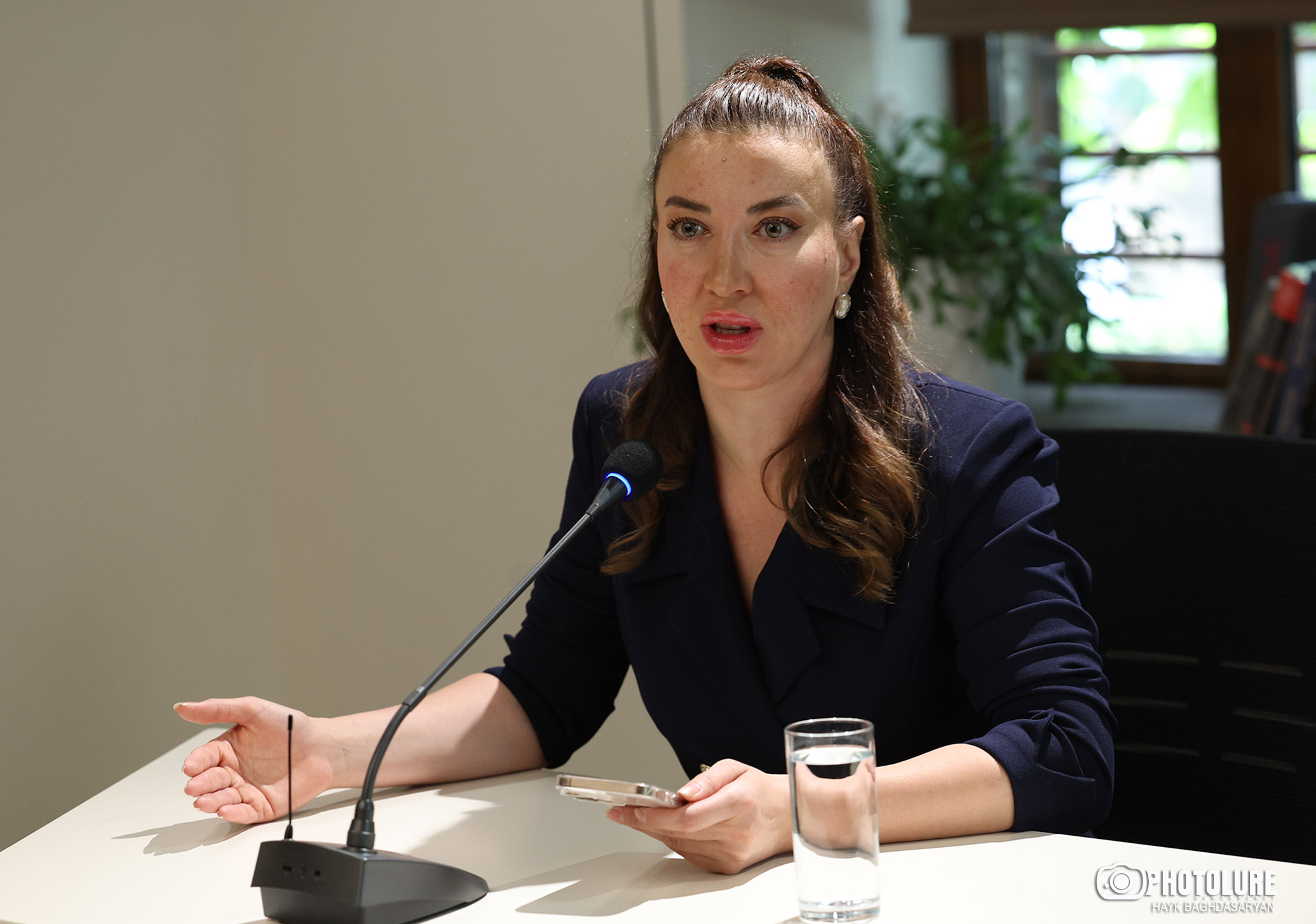
(Horizon Media / YEREVAN) — Armenians imprisoned in Azerbaijan are being held in conditions of virtually complete isolation from the outside world, with no access to family visits, independent lawyers or doctors, consular representatives, or the International Committee of the Red Cross, human rights lawyer Siranush Sahakyan said on September 4.
Sahakyan, who represents Armenian captives before the European Court of Human Rights (ECtHR), is the executive director of the Armenian Legal Centre for Justice and Human Rights and heads the International and Comparative Law Center NGO.
Speaking to reporters, Sahakyan said the Armenians detained in Baku have no physical contact with the outside world.
“They do not see their relatives, consular officials, independent doctors, independent lawyers, or representatives of the International Committee of the Red Cross,” she said, describing their detention conditions as one of “absolute isolation.”
Sahakyan said other rights are also being violated, including the right to outdoor exercise, but stressed that the detainees’ complete isolation remains the most serious concern.
Their only contact with the outside world consists of monitored telephone calls with family members. Rights that would normally include correspondence and short- or long-term visits from relatives and other authorized individuals are not being provided, she said.
According to Sahakyan, access to telephone calls varies significantly among the Armenian prisoners. Three of those who have been sentenced are permitted to make a call approximately once every 40 days, while others are generally allowed one call per week.
The calls themselves may last anywhere from two or three minutes to as long as 10 minutes. Sahakyan stressed that all such conversations are monitored and can be terminated depending on what the prisoner says.
She cited the case of former Artsakh State Minister Ruben Vardanyan, whose telephone call was forcibly interrupted when he attempted to discuss difficulties obtaining a copy of his verdict and his efforts to raise the issue with Azerbaijan’s human rights commissioner.
Sahakyan said she has not been permitted to communicate directly with the Armenian prisoners. Their relatives instead try to obtain information about their situation, particularly their health, during the limited telephone conversations.
Health concerns have become increasingly prominent in recent months, she said, with detainees repeatedly reporting that adequate medical assistance is not being provided.
According to Sahakyan, medical personnel are reportedly unavailable at the detention facility after certain hours, raising concerns about whether emergency treatment could be provided in the event of a sudden deterioration in a prisoner’s condition.
“In extreme situations, medication may be provided to alleviate certain symptoms, but measures aimed at treating an existing illness or preventing a deterioration of the condition are generally not undertaken,” she said.
“According to the information available to us, proper medical care and treatment are not being provided to the Armenians.”
Sahakyan also raised concerns about the long-term consequences for prisoners who have received lengthy sentences.
“Many have been sentenced to 15 years. If, after serving 15 years, a person is eventually repatriated to the Republic of Armenia, what condition will their health be in?” she asked.
Some medical documentation concerning the prisoners has been obtained through proceedings before the ECtHR, Sahakyan said. Her legal team received such information in February and March 2026.
A deadline for Azerbaijan to provide updated information to the European court expired on August 31.
“We are waiting several days to receive correspondence from the Court’s Registry, after which we will understand what information has been provided to the Court,” Sahakyan said.















Բաժանորդագրվել