Quebec premier announces diplomatic offensive in Washington following Democratic midterm victories
- (0)
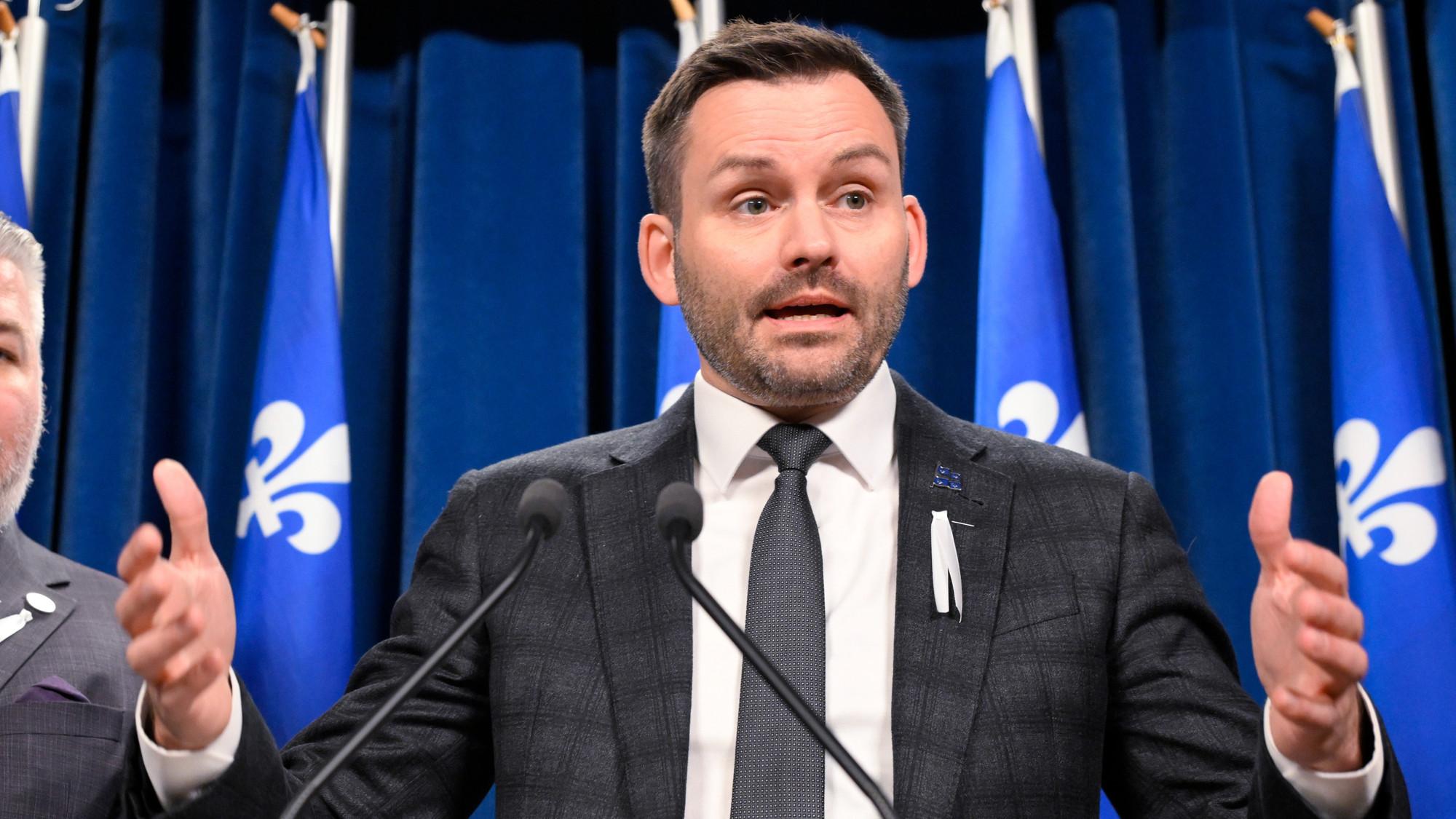
QUEBEC CITY — Quebec Premier Paul St-Pierre Plamondon has announced plans to intensify diplomatic engagement with the United States following the Democratic Party’s victory in the November 3 congressional midterm elections.
Speaking to reporters Wednesday, the Parti Québécois leader expressed optimism that the election results could create new opportunities to ease trade tensions and secure relief for Quebec industries affected by American tariffs.
Democrats won control of both chambers of Congress, weakening President Donald Trump’s political position and potentially opening new channels of dialogue with American lawmakers.
Quebec has been among the Canadian provinces most affected by Washington’s trade restrictions, particularly in the aluminum, softwood lumber and manufacturing sectors. These industries play a significant role in the provincial economy and remain heavily dependent on access to American markets.
St-Pierre Plamondon said his government intends to pursue discussions with American political representatives to explore possible solutions to the ongoing trade dispute.
However, he indicated that Quebec would not immediately seek to conduct independent trade negotiations with Washington, preferring first to establish diplomatic contacts and assess the changing political environment.
The initiative comes amid continuing tensions between Quebec City and Ottawa. St-Pierre Plamondon has insisted that his first formal meeting with Prime Minister Mark Carney since Quebec’s October election take place in Quebec, rather than Ottawa.
The two leaders could also meet during the upcoming Francophonie summit in Cambodia later this month.
Despite the Democratic victories, President Trump retains considerable authority over trade policy, leaving uncertainty about whether the congressional changes will translate into meaningful tariff relief.
For Quebec’s export-dependent industries, the diplomatic initiative represents an attempt to capitalize on a changing political climate in Washington while the broader Canada–U.S. trade dispute remains unresolved.