Nearly one-third of Canadians skipping meals as grocery affordability crisis deepens
- (0)
TORONTO — Nearly one in three Canadians are skipping meals or reducing their portions because they cannot afford groceries, according to a new Salvation Army report highlighting the growing scale of food insecurity across the country.
The organization’s 2026 Canadian Poverty and Socioeconomic Analysis found that 31 per cent of respondents had skipped or reduced a meal due to grocery costs, compared with 27 per cent in 2025. The figure represents the highest level recorded during the study’s four-year tracking period.
Younger Canadians are experiencing particularly severe financial pressures. Among respondents aged 18 to 34, 41 per cent reported skipping or reducing meals, while 23 per cent said they had accessed community food assistance.
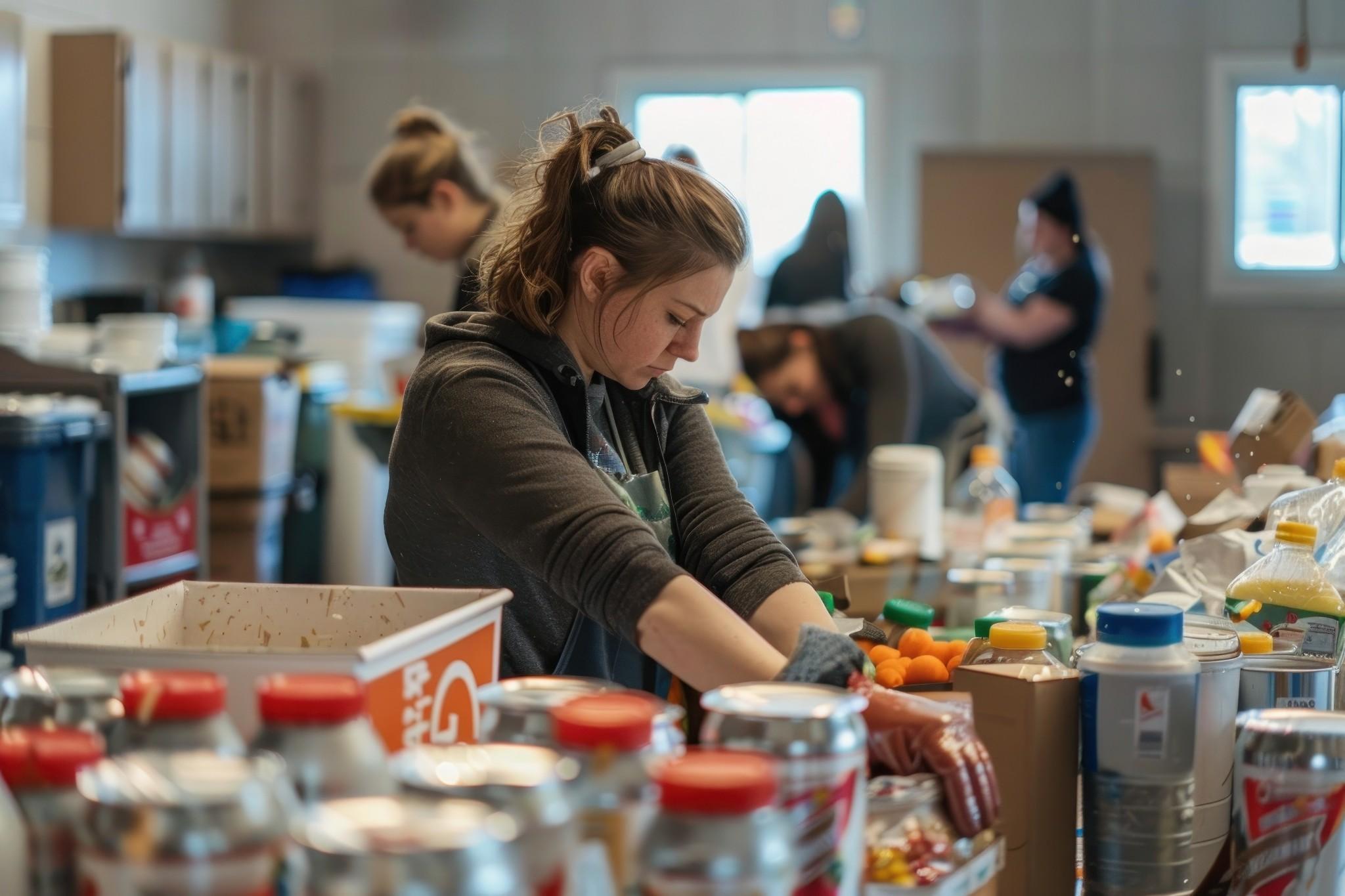
The report also found that 15 per cent of Canadians had used community food supports, up from 11 per cent last year, reflecting growing demand for food banks and other charitable services.
Housing costs are compounding the problem. Nearly one-quarter of respondents reported spending at least half their after-tax household income on housing, while half expressed concern about finding affordable accommodation if forced to move.
The Salvation Army warned that increasing numbers of households are struggling to balance essential expenses, including groceries, rent, transportation and utilities.
International economic pressures are also affecting household finances, with 60 per cent of respondents reporting a financial impact from American tariffs or trade disputes.
The findings come amid renewed debate over affordability and federal economic policy, as the Carney government prepares to introduce its 2026 budget.
The report was based on an online national survey of 1,525 Canadians conducted in September. Its findings underscore the growing pressure on household budgets and community support services across the country.