Federal government pledges to end homelessness in Canada within 10 years
- (0)
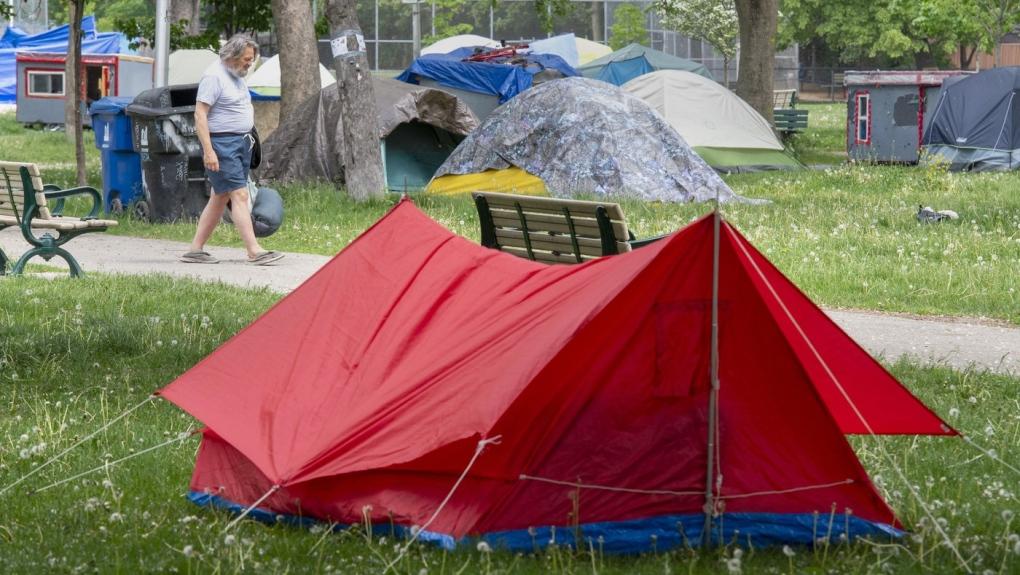
OTTAWA — Prime Minister Mark Carney’s government has introduced an ambitious national housing strategy aimed at ending homelessness within the next decade, committing billions of dollars to supportive housing, mental health services and assistance for vulnerable Canadians.
The initiative, announced in the federal budget on November 5, proposes $11.2 billion over four years beginning in 2027–28, alongside $17.8 billion in additional funding in subsequent years to support the government’s homelessness strategy.
The program would establish a new Integrated Supports Fund, combining access to stable housing with mental health care, addictions treatment and other essential social services.
Ottawa also plans to expand supportive and transitional housing across Canada, working with provincial governments, municipalities and community organizations.
Carney is scheduled to visit Winnipeg on Friday, November 6, alongside Manitoba Premier Wab Kinew and municipal leaders to highlight the new commitments.
The budget estimates that approximately 65,000 Canadians are experiencing homelessness, underscoring the urgency of addressing a crisis affecting communities across the country.
Housing advocates have welcomed the government’s willingness to pursue a national objective but emphasize that providing accommodation alone will not resolve homelessness.
Organizations working with vulnerable populations stress the importance of long-term funding for health services, addiction treatment and community-based support programs.
The federal government intends to assume substantial capital costs, while provincial and territorial governments would be expected to finance ongoing services and operations.
The success of the initiative will depend on sustained cooperation between different levels of government and the effective delivery of housing and support services over the coming decade.