Canada’s defence spending commitments face scrutiny as Ottawa outlines NATO investment plans
- (0)
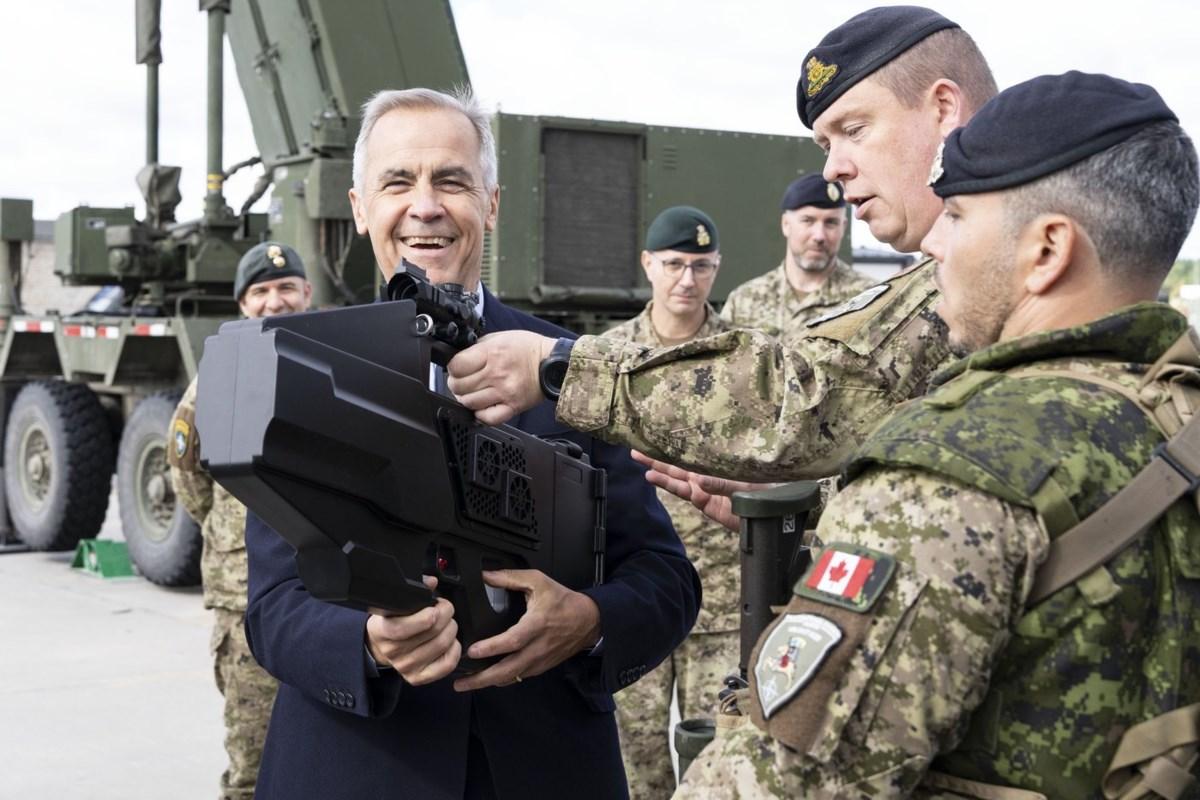
OTTAWA — The federal government’s latest budget outlines major investments in Canada’s military and defence industries, but questions remain about the financial requirements of meeting the country’s long-term NATO spending commitments.
Budget 2026, presented November 5, projects more than $700 billion in defence and security-related expenditures on a cash basis over five years, as Ottawa accelerates military modernization and strengthens domestic defence production.
Canada has committed to spending five per cent of gross domestic product on defence and related security priorities by 2035, including 3.5 per cent for core military requirements and an additional 1.5 per cent for broader security investments.
The government says its current projections place Canada on a path to reach approximately 4.1 per cent of GDP by 2027–28, maintaining that increased investments are essential to national sovereignty and international security.
Planned expenditures include new military equipment, expanded procurement opportunities for Canadian companies, stronger defence supply chains and continued support for NATO operations in Europe.
However, the Parliamentary Budget Officer has warned that reaching the 2035 target will require substantial additional spending beyond existing fiscal projections.
Earlier this year, the watchdog estimated that achieving the commitment could require an average of approximately $33.5 billion in additional annual core defence expenditures over the next decade under its modelling assumptions.
The debate comes as Canada faces growing pressure to strengthen military capabilities amid continuing international instability and heightened geopolitical competition.
With the government’s detailed spending projections extending only through 2030–31, the financial implications of reaching the full NATO target remain a significant challenge for future federal budgets.
Related Articles

Նոյեմբեր 06, 2026