
Նոյեմբեր 04, 2026
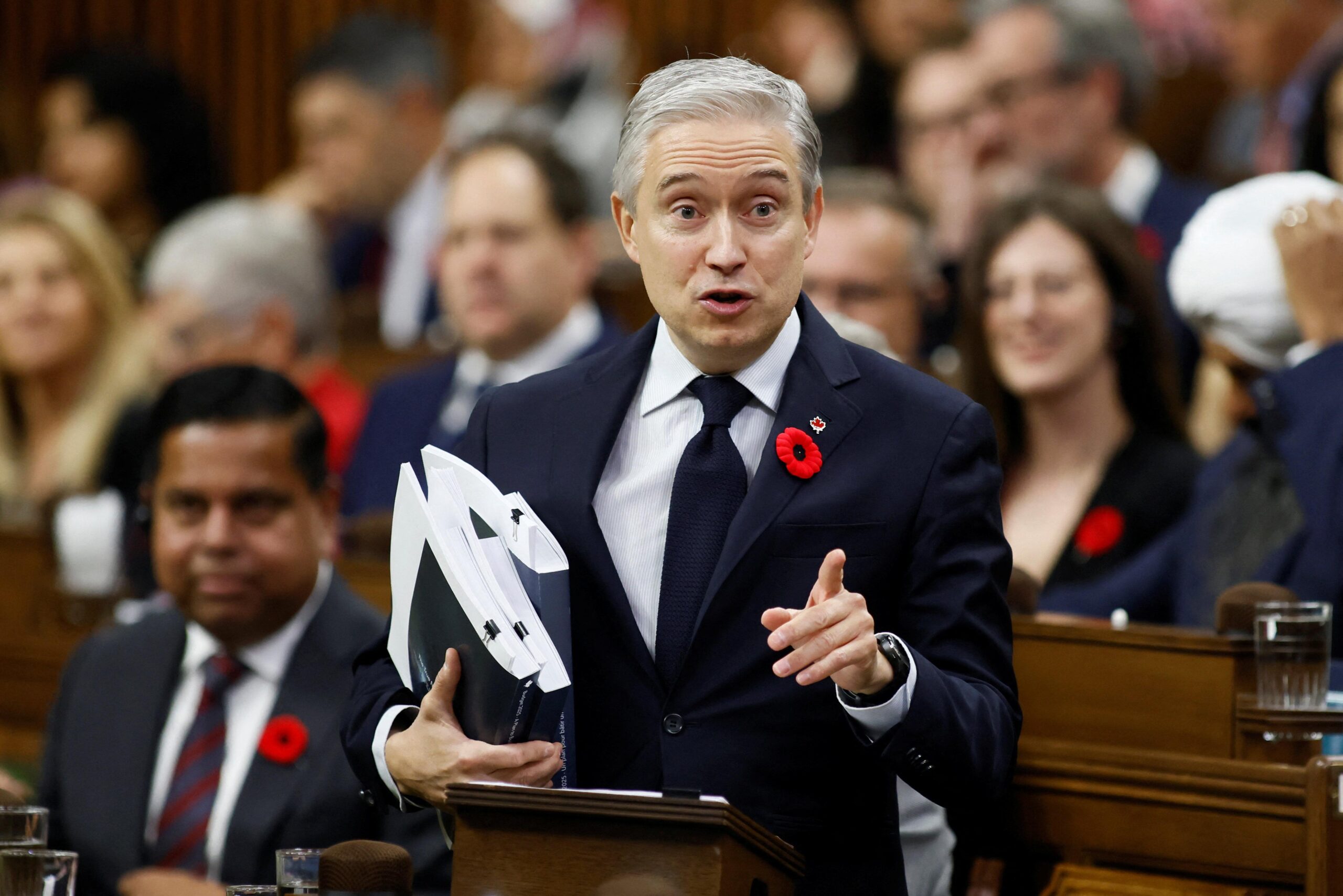
OTTAWA — Prime Minister Mark Carney’s Liberal government is facing growing scrutiny over federal borrowing, public spending and Canada’s fiscal outlook ahead of the presentation of the 2026 federal budget on Thursday, November 5.
Finance Minister François-Philippe Champagne is expected to unveil a spending plan emphasizing infrastructure investment, economic growth, industrial development and measures designed to strengthen Canada’s economic independence.
However, economists and fiscal policy analysts are warning that Ottawa must demonstrate greater discipline in managing federal deficits and long-term debt.
The Parliamentary Budget Officer projects a federal deficit of $63.3 billion for the 2026–27 fiscal year, with annual shortfalls potentially reaching $67.8 billion by 2030–31.
Higher global oil prices have temporarily increased federal revenues, but economists caution that these gains may not provide a sustainable foundation for expanding government expenditures.
The government has pledged to reduce the deficit relative to Canada’s economy and balance its operating budget, although the parliamentary fiscal watchdog has questioned whether those objectives will be achieved on schedule.
The upcoming budget is also expected to address Canadian business investment, infrastructure, defence spending and the country’s response to U.S. trade restrictions.
With affordability concerns continuing to affect Canadian households, the government faces pressure to balance economic stimulus with fiscal responsibility and longer-term debt sustainability.


















Բաժանորդագրվել
