
Հոկտեմբեր 23, 2026
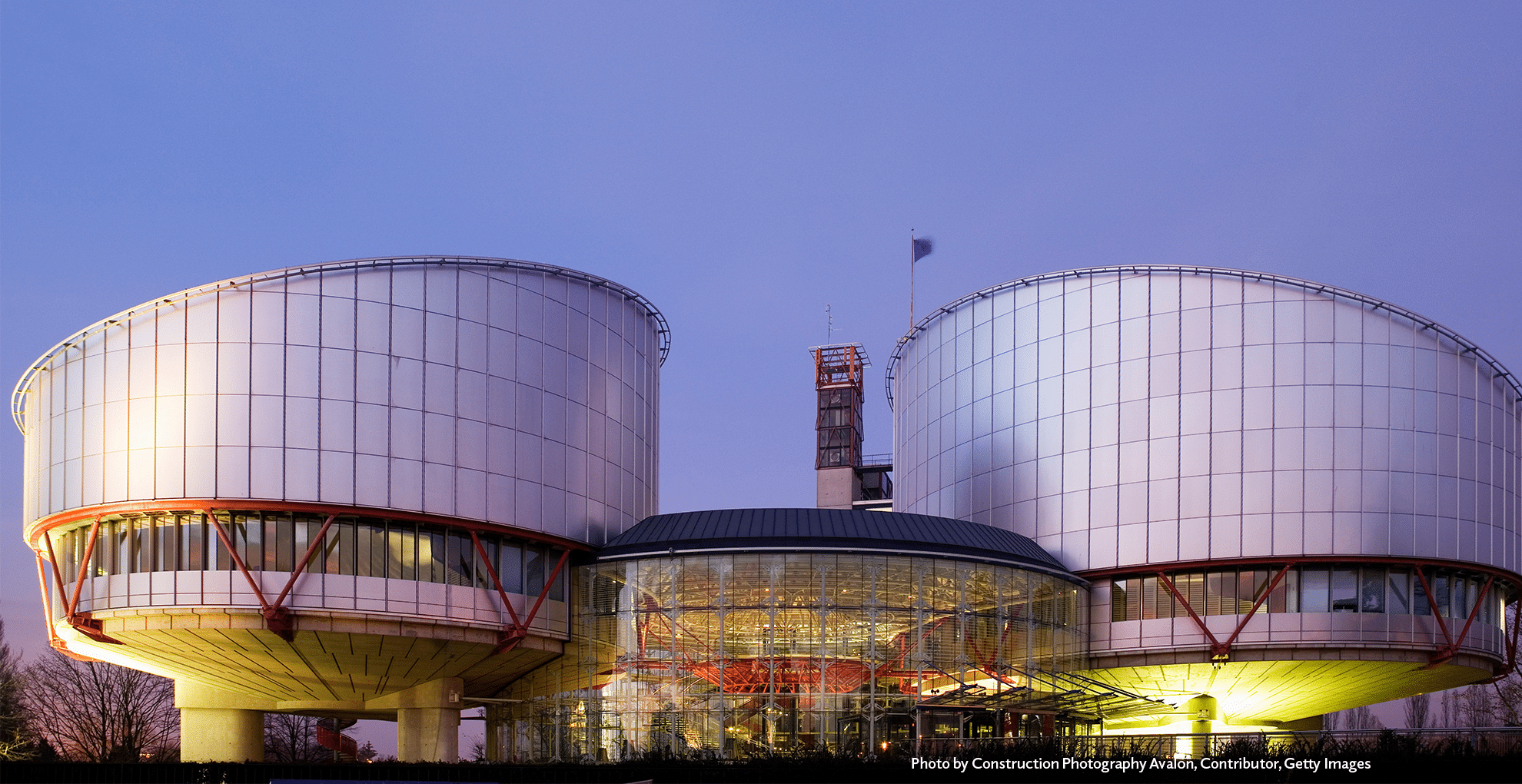
(Horizon Media / YEREVAN) – A growing number of forcibly displaced residents of Artsakh are turning to the European Court of Human Rights (ECHR) in an effort to seek legal redress for lost property, displacement, and violations of fundamental rights, according to a statement by the Yerevan-based International and Comparative Law Center.
The effort is being coordinated under the “Artsakh International Legal Initiative,” established in October 2024 by a group of human rights defenders. The initiative aims to frame the losses suffered by Artsakh Armenians within the language and mechanisms of international law, particularly in the aftermath of the 2020 war and the Azerbaijani aggression of 2023 that led to the forced displacement of the region’s indigenous Armenian population.
Thousands of individuals have been deprived of the ability to exercise basic rights, including the right to reside in their homeland and to access and manage property now under Azerbaijani control. These files are being advanced under Article 1 of Protocol No. 1 of the European Convention on Human Rights, which protects the right to property.
With no effective domestic legal remedies available, applicants are relying on the ECHR as the primary international legal avenue. As of April 2026, more than 500 individual complaints representing over 1,000 displaced persons have been submitted. The applications include documentation of property ownership, evidence of residence, and personal testimonies detailing displacement and conditions during the blockade of Artsakh.
The legal team notes that these cases are not only aimed at securing individual remedies but also at advancing broader recognition of the collective right of return for Artsakh Armenians. Supporting materials, such as photographs and personal records, are being used to illustrate the scale and human impact of the displacement.
The first cases were filed in late 2024, with the process gaining momentum throughout 2025. The initiative says it remains in ongoing communication with the Court to refine submissions and facilitate a timely review.
Similar cases related to Cyprus and previous Nagorno-Karabakh litigation have established relevant legal precedents, particularly regarding property rights and displacement. Observers say these rulings may influence how the Court approaches the current wave of applications.
While final outcomes remain uncertain, applicants and legal advocates view the process as a key step in documenting rights violations and placing the issue of Artsakh’s displaced population on the international legal agenda.















Բաժանորդագրվել