TRIPP implementation begins in Syunik as Trump welcomes launch and invites Pashinyan to White House
- (0)
YEREVAN — Nikol Pashinyan announced the official launch of the implementation phase of the Trump Route for International Peace and Prosperity (TRIPP) on November 23, with preparatory construction work beginning in Armenia’s southern Syunik province. U.S. President Donald Trump welcomed the announcement, praising the initiative as a major step toward regional peace and economic cooperation and inviting Pashinyan to the White House in 2027.
In a televised address, Pashinyan described TRIPP as Armenia’s largest economic undertaking since independence, promising expanded access to international markets, increased investment and new transportation opportunities. The Armenian-American initiative includes a route connecting mainland Azerbaijan to its Nakhchivan exclave through Armenian territory, with Yerevan maintaining that all arrangements will respect Armenia’s sovereignty and jurisdiction.
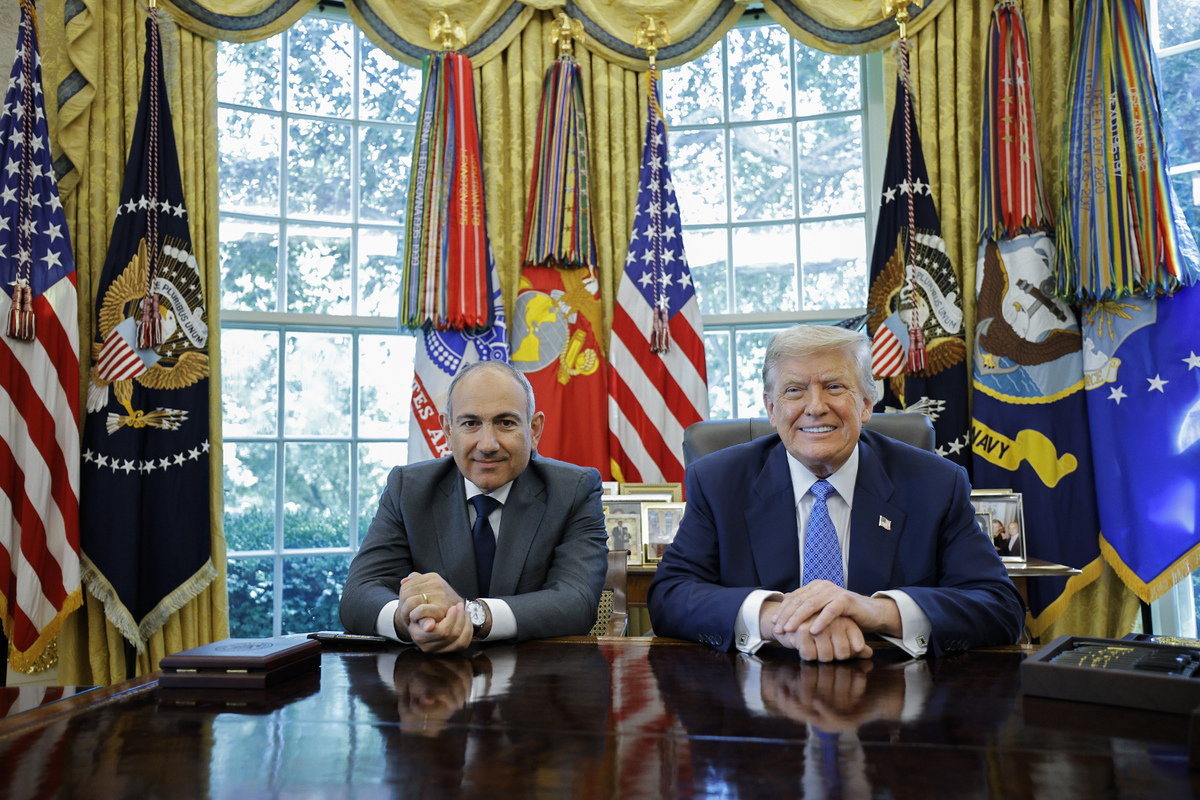
In a separate video message, Trump hailed the project as an achievement of American diplomacy, highlighting its potential to expand regional trade and connectivity. He also invited Pashinyan to the White House during the Armenian prime minister’s anticipated visit to Washington for the National Prayer Breakfast in 2027.
Meanwhile, Iran indicated that it would closely monitor the project’s implementation despite assurances received from Yerevan. Iranian Foreign Ministry spokesperson Esmaeil Baghaei said Tehran supported the reopening of regional transportation links but remained opposed to changes in the region’s geopolitical balance and the deployment of foreign military or security forces near its borders. While acknowledging Armenia’s assurances, he emphasized that Iranian authorities would independently assess developments and respond as they deemed necessary.
The launch comes amid persistent questions over Armenia’s sovereignty and security. With a final peace treaty between Armenia and Azerbaijan still unsigned and Baku continuing to demand constitutional changes, uncertainties remain regarding border and customs control, security arrangements and whether Armenia will receive reciprocal transportation benefits.
While Washington and Yerevan have presented TRIPP as a historic economic opportunity, its long-term implications will depend on the final operational arrangements, Armenia’s ability to retain full authority over infrastructure within its sovereign territory and the broader regional response to the project.