
November 18, 2026
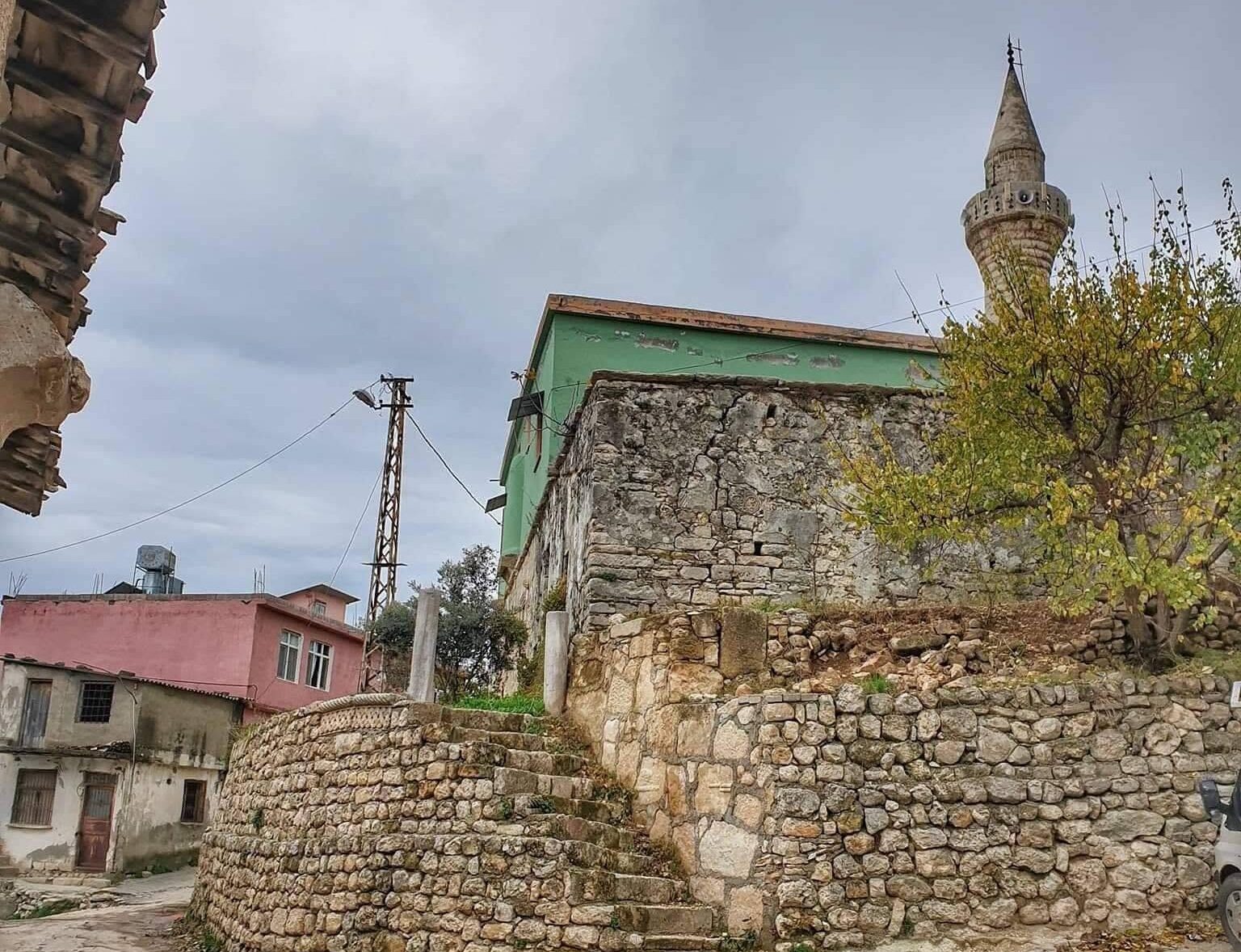
MUSA DAGH – A nearly 400-year-old Armenian church remains preserved beneath a mosque in the historic Musa Dagh village of Yogunoluk, in present-day Turkey’s Hatay province, serving as a lasting testament to the region’s Armenian heritage.
The Geghard Foundation highlighted the historic site on November 18, drawing attention to a well-documented example of the transformation of Armenian religious landmarks following the Armenian Genocide.
Originally known as Surp Mariam Asdvadzadzin Church, the building was constructed in 1634 and renovated in 1812. An Armenian inscription still visible on its wall bears witness to the church’s origins and centuries-old history.
Following the Armenian Genocide and the displacement of the local Armenian population, Turkish settlers began using the church as a mosque. During the 1940s, a new mosque structure was built above the original church, reportedly because of the durability of its stone construction and the limited availability of land and resources.
Over the decades, portions of the former church also served as a barn, stable and storage facility. Nevertheless, significant elements of the original Armenian structure, including its historic inscription, have survived.
The site is one of many reminders of Musa Dagh’s Armenian past and the broader transformation of Armenian churches, schools and communal institutions throughout the region following the Genocide.
By highlighting the historic church, the Geghard Foundation underscores the importance of preserving and documenting the Armenian cultural and religious heritage that continues to survive in present-day Turkey, often beneath structures that have long since acquired different functions.















Subscribe to our newsletter