October 06, 2026
By Vahe Andonian
Azerbaijan’s demand to punish Armenian figure skaters for performing to “Artsakh” exposes a familiar strategy: erase the name, then erase the people. From the destruction of heritage to the ethnic cleansing of Artsakh’s indigenous Armenians, this is not an isolated incident — it is part of a long-running campaign of cultural elimination.
That campaign only succeeds when pressure from Baku is met with silence from Yerevan.
At this moment, silence from Armenia’s government and the Armenian Olympic Committee is not caution — it is a political choice. Today, the name “Artsakh” removed from an Olympic program. Tomorrow, it will be Armenian symbols, language, or history itself. There is no neutrality when cultural erasure is being enforced under external pressure.
“Artsakh,” composed by Ara Kevorkian, is a registered Armenian cultural work. Labelling it “separatist” is legally baseless and morally bankrupt. If the music is acceptable, the name must be acceptable too.
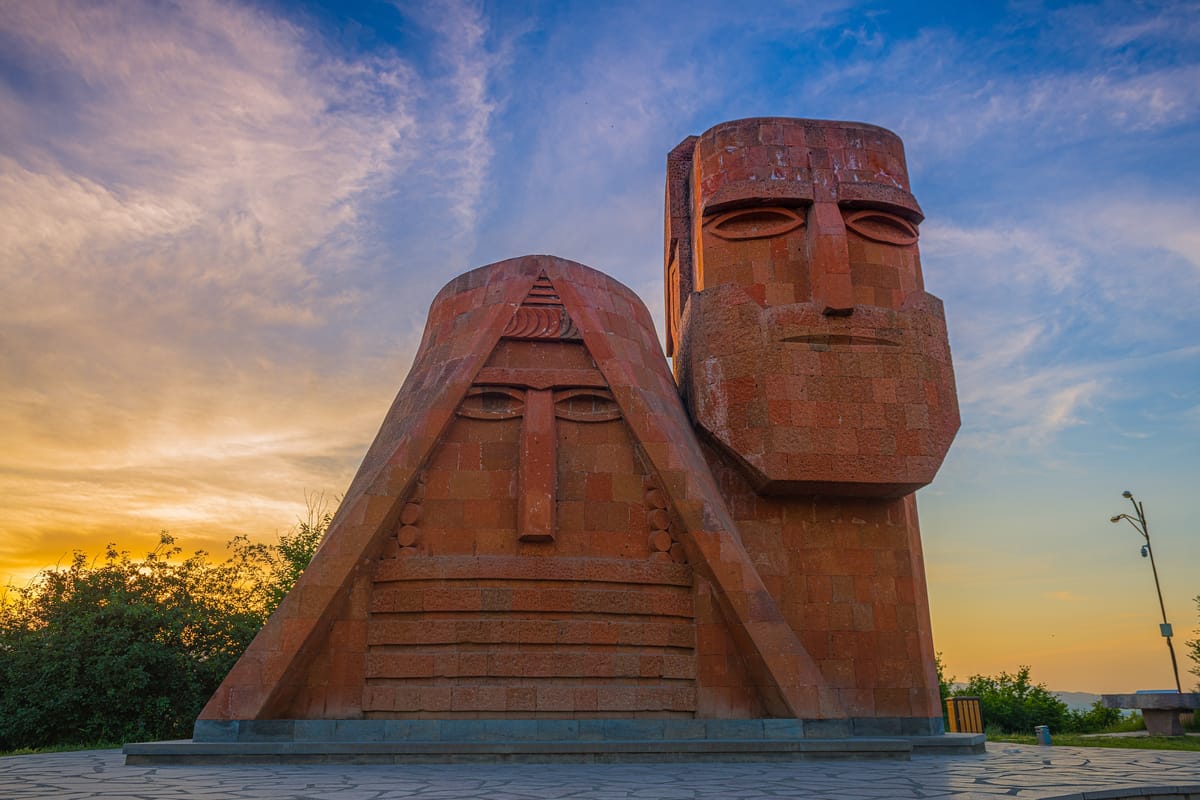
The word “Artsakh” is not a slogan — it is a historical reality. For centuries, it was home to an indigenous Armenian population with an unbroken cultural, religious, and historical presence. When international sporting bodies agree to erase the name while keeping the performance, they normalize the same logic that removed Artsakh’s Armenians from their homeland.
Armenia must publicly reject Azerbaijan’s pressure, defend its athletes, and state clearly: “Artsakh” is not a crime — it is Armenian history.
Armenian Cause organizations must demand accountability — first from Armenia’s leadership, and then from international sporting institutions and human rights bodies.
We will say Artsakh.
We will defend Armenian culture.
Erasure will not succeed.













Subscribe to our newsletter