
September 16, 2026
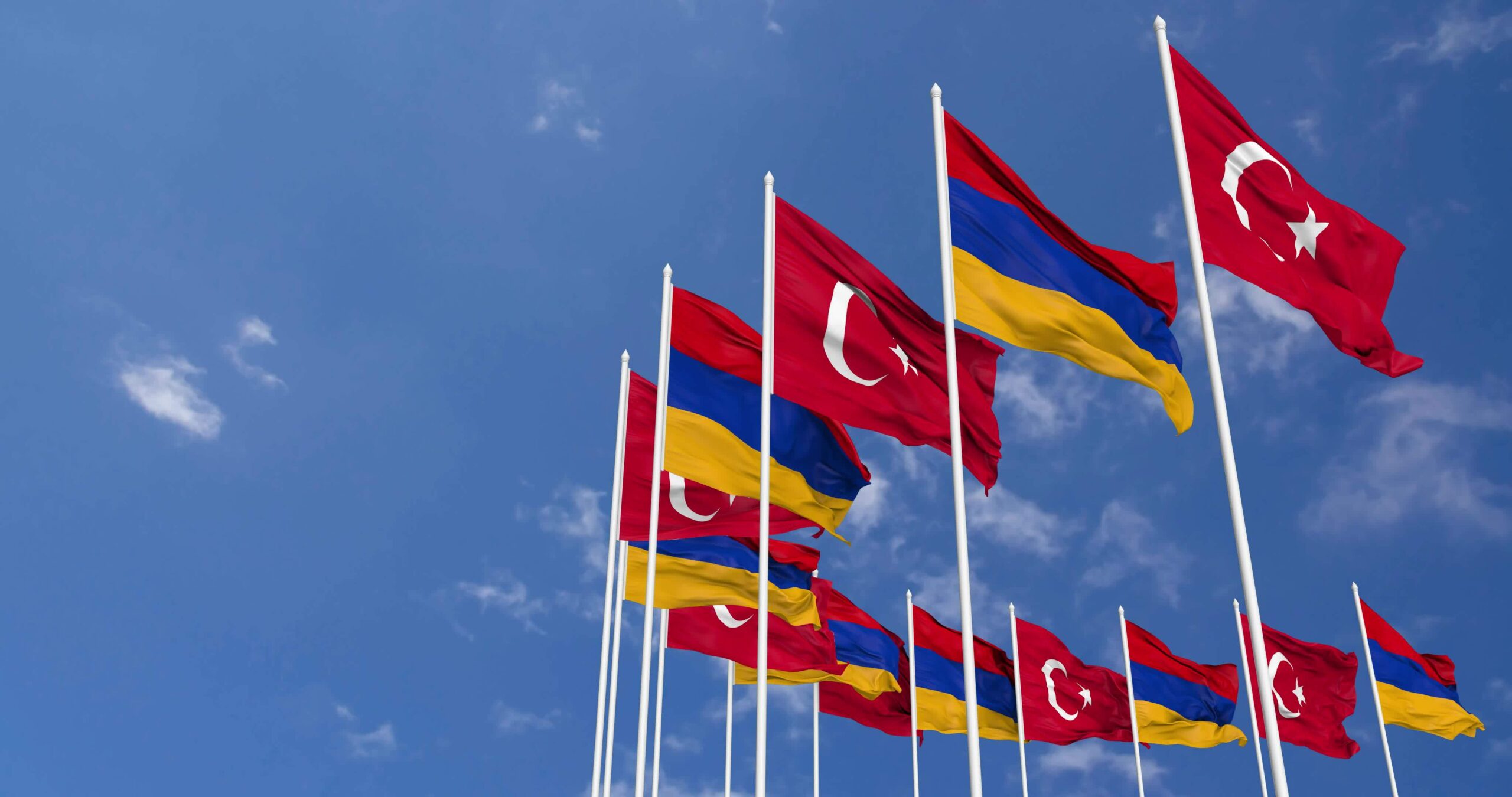
(Horizon Weekly) — Armenia and Turkey have announced an agreement to simplify visa procedures for holders of diplomatic, service and special passports, presenting the move as part of ongoing efforts to advance the normalization process between the two countries.
According to official statements released on December 29, the new arrangement will allow eligible passport holders from both sides to obtain electronic visas free of charge beginning January 1, 2026. The measure is intended to ease official travel and facilitate contacts between government representatives as talks between Yerevan and Ankara continue.
The visa facilitation agreement comes against the backdrop of a long and uneven normalization process launched in 2021, when both sides appointed special envoys to explore ways to restore relations without formal diplomatic ties. Armenia and Turkey have no embassies in each other’s capitals, and the land border between the two states has remained closed since 1993.
While the announcement was framed as a confidence building step, the scope of the measure remains limited and does not apply to ordinary passport holders or broader cross border movement. The agreement also leaves unaddressed a range of unresolved political and security issues that continue to shape Armenian Turkish relations.
Armenia’s security environment has remained fragile in recent years, particularly following Azerbaijan’s military actions against Artsakh and the subsequent forced displacement of its Armenian population. Turkey’s consistent political and military backing of Azerbaijan, including during and after the 2020 war, continues to be a central concern for Armenian observers assessing the normalization track.
In parallel, Ankara has repeatedly linked progress in relations with Armenia to developments in the Armenia Azerbaijan process, reinforcing perceptions that normalization remains conditioned by regional power dynamics rather than bilateral reconciliation alone. Armenian officials, for their part, have emphasized the importance of pursuing dialogue while navigating mounting external pressures and unresolved security risks.
Previous steps in the normalization process, including agreements to open the border to third country nationals and allow direct cargo transportation, have yet to be implemented. As a result, questions persist regarding the practical impact of new announcements and the pace at which declared measures translate into tangible change.
The visa facilitation agreement adds to a series of incremental moves presented as progress, even as the broader regional context continues to raise concerns about balance, reciprocity and long term security implications for Armenia. Observers note that future steps will be closely scrutinized not only for their diplomatic symbolism, but for their consequences within an increasingly volatile regional landscape.

















Subscribe to our newsletter
