
September 16, 2026
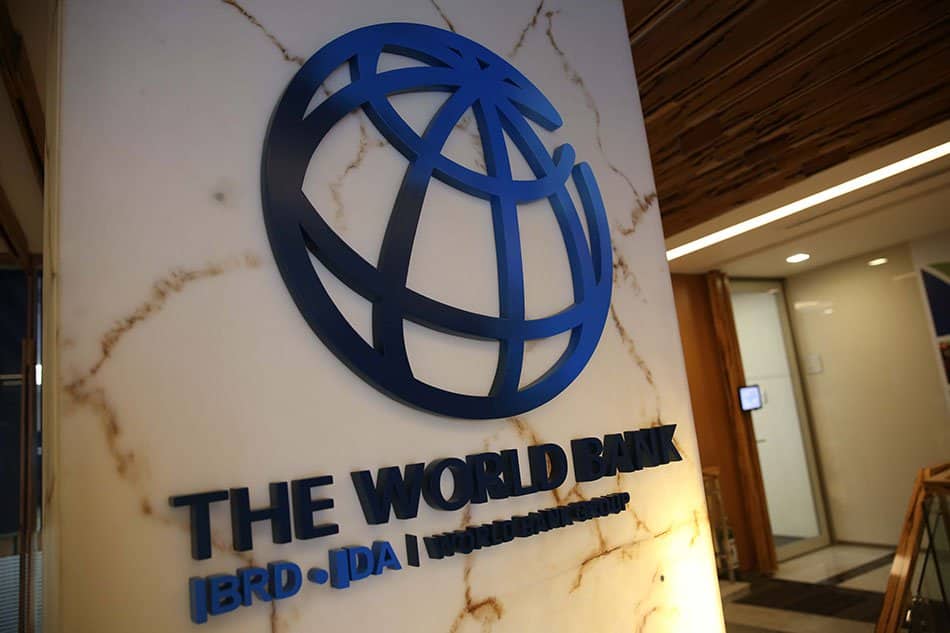
(Horizon Weekly) – The World Bank has approved a large scale housing initiative in Armenia aimed at expanding access to affordable housing and strengthening the country’s mortgage market, at a time when more than 100,000 refugees from Artsakh remain forcibly displaced following Azerbaijani aggression.
According to the World Bank, the 250 million dollar program is designed to improve housing affordability for vulnerable populations, including refugees, while also supporting the development of long term housing finance through private sector participation. The initiative seeks to expand mortgage lending, reduce borrowing costs and encourage investment in residential construction.
International financial institutions have highlighted the scale of Armenia’s housing challenge following the mass displacement of Artsakh’s population, who were forced to flee their homes in 2023 amid military aggression by Azerbaijan. Most displaced families continue to face unstable living conditions, relying on temporary housing, overcrowded accommodations or rental arrangements that remain financially unsustainable.
Civil society observers note that the sudden arrival of tens of thousands of refugees has placed severe pressure on Armenia’s housing stock, particularly in urban areas where demand already exceeded supply. Rising rental prices and limited access to affordable mortgages have compounded the difficulties faced by displaced families attempting to rebuild their lives.
The World Bank initiative includes measures to improve access to long term financing, enhance housing sector resilience and reduce systemic risks in the mortgage market. It is also expected to mobilize private capital by improving regulatory frameworks and financial instruments linked to housing development.
While the program is framed as a structural economic intervention, humanitarian organizations stress that durable housing solutions remain critical for Artsakh refugees, many of whom lost not only their homes but also livelihoods, property and community networks as a result of forced displacement.
International attention continues to focus on the long term needs of displaced Armenians from Artsakh, including housing, employment and social integration, as well as accountability for the actions that led to their displacement.

















Subscribe to our newsletter
