New criminal case targets Tsarukian as 2026 vote nears
- (0)
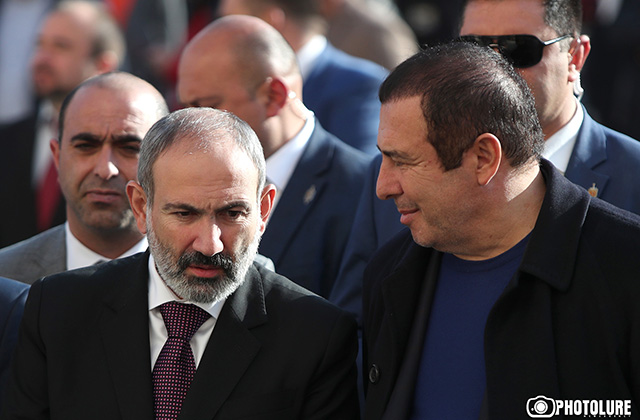
(Horizon Weekly) – Armenian prosecutors have brought yet another criminal charge against businessman and former political leader Gagik Tsarukian, who has already declared his intention to return to the political stage ahead of next year’s parliamentary elections.
According to the Prosecutor General’s Office, Tsarukian recently finalized the sale of a Bulgarian beverage plant for 23 million euros, allegedly violating an Armenian court order that had frozen his domestic and overseas assets. That freeze stems from a 2023 decision launched under a law empowering the state to confiscate wealth deemed to have been obtained illegally. A court injunction placed Tsarukian’s holdings under restriction while judges examine the state’s claims.
Investigators now say the injunction covered his foreign assets as well. If convicted, the sixty nine year old could face up to a year in prison. As of Wednesday afternoon he had not commented.
Tsarukian is already standing trial on separate vote buying charges dating back to 2020, when he and the Prosperous Armenia Party publicly demanded Prime Minister Nikol Pashinyan’s resignation. He has long insisted that those accusations were fabricated for political purposes.
Once one of the largest forces in parliament, Prosperous Armenia failed to win seats in the 2021 elections, prompting Tsarukian to largely withdraw from public politics. He resurfaced in October, announcing plans to contest the June 2026 elections and hinting at possible alliances under his newly promoted “Proposal to Armenia” platform.
While corruption investigations must always be taken seriously, the circumstances surrounding this latest case cannot be ignored. Armenia has entered a troubling period in which new criminal files appear almost in tandem with the political reemergence of figures who may pose an electoral challenge to the current authorities. The pattern is becoming increasingly difficult to dismiss as coincidence. Whether by design or by quiet convenience, these prosecutions create a climate in which opponents are weakened before the campaign even begins. With the 2026 vote approaching, the growing use of legal pressure against potential contenders raises serious questions about the health of Armenia’s democratic process and the lengths to which the government is willing to go in order to protect its hold on power.