Yerevan pledges to draft new constitution by March
- (0)
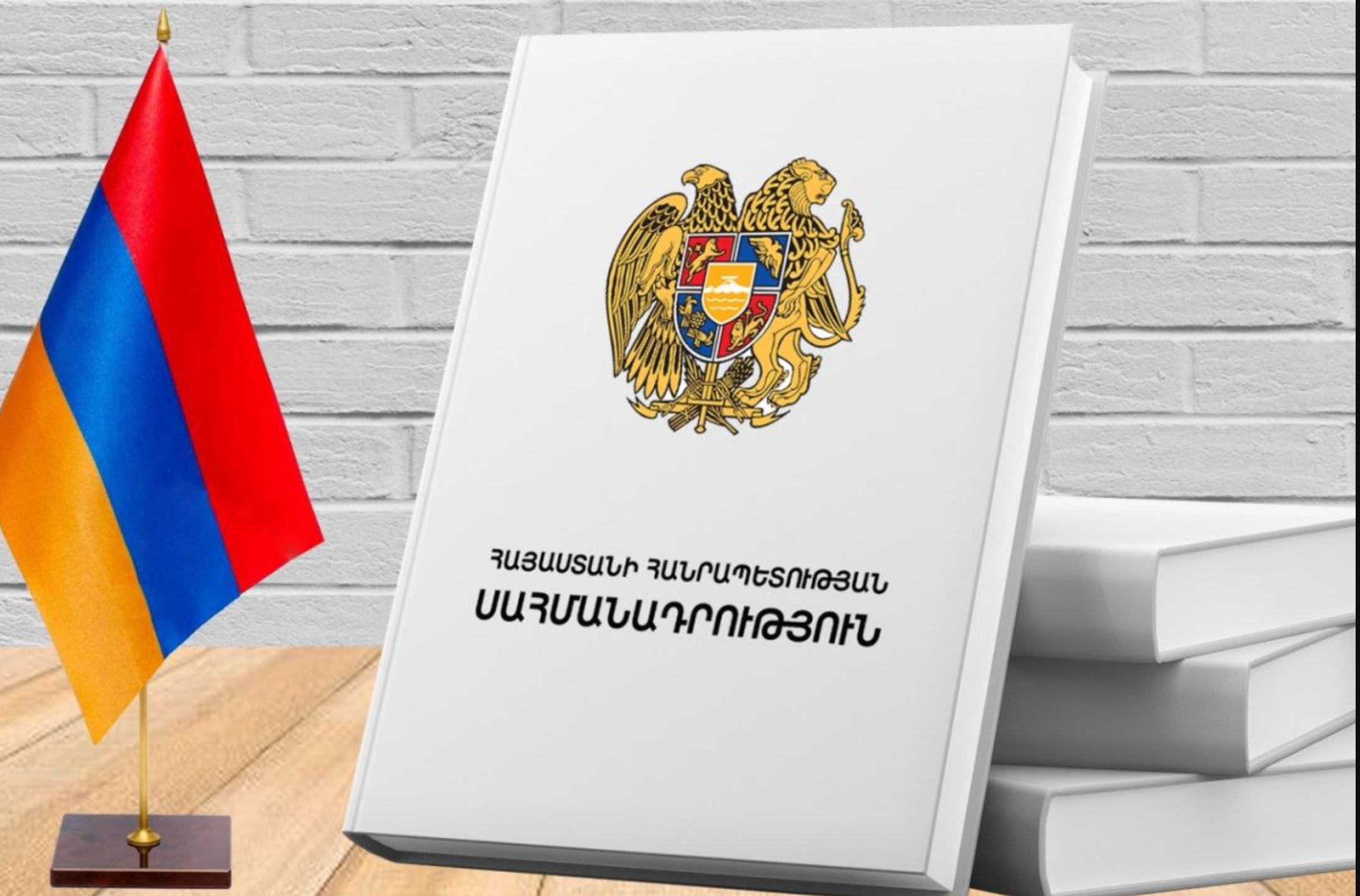
(Horizon Weekly) – Armenia’s Justice Minister Srbuhi Galian announced that the government intends to finalize a draft of a new Armenian constitution by March, a stated precondition by Azerbaijan to signing a peace deal. The accelerated push comes as Baku continues to insist that Armenia remove references to the 1990 declaration of independence, a foundational document that reaffirms the 1989 decision of Soviet Armenia and the Nagorno Karabakh Autonomous Oblast to pursue unification. For Azerbaijan, eliminating this preamble has become a political priority. For Armenia, doing so would mean revisiting the very text that marked the country’s modern rebirth.
Officials in Yerevan continue to publicly deny that this process is being shaped by outside pressure, yet the pattern is difficult to ignore. The Prime Minister has already stated that a constitutional referendum would take place following next June’s national elections, setting the stage for what critics view as yet another unilateral concession. The government insists that the disputed reference does not constitute a territorial claim and downplays the geopolitical context surrounding the proposed changes.
Galian, speaking through a statement released Thursday evening, reaffirmed the ministry’s pledge to meet the March deadline. She framed the effort as a matter of administrative commitment, emphasizing timelines and workflow rather than the political stakes. Meanwhile, the Prime Minister has repeatedly stressed that the independence declaration should no longer appear in the new constitutional text, an assertion that, despite his denials, aligns closely with Baku’s long-standing demand.
Armenia’s opposition forces have rejected the government’s assurances outright. They argue that altering the constitution in response to external pressure strikes at the heart of national sovereignty, and that every concession simply invites further demands from President Ilham Aliyev. Rather than advancing peace, they warn, this path risks normalizing a dynamic in which Armenia’s fundamental laws become bargaining chips in negotiations conducted from a position of weakness.
As March approaches, the debate is no longer only about legal language. It is about the direction of the Armenian state, the integrity of its institutions, and the troubling precedent of reshaping the country’s constitutional foundations under the weight of a neighbouring power’s expectations.