
September 16, 2026
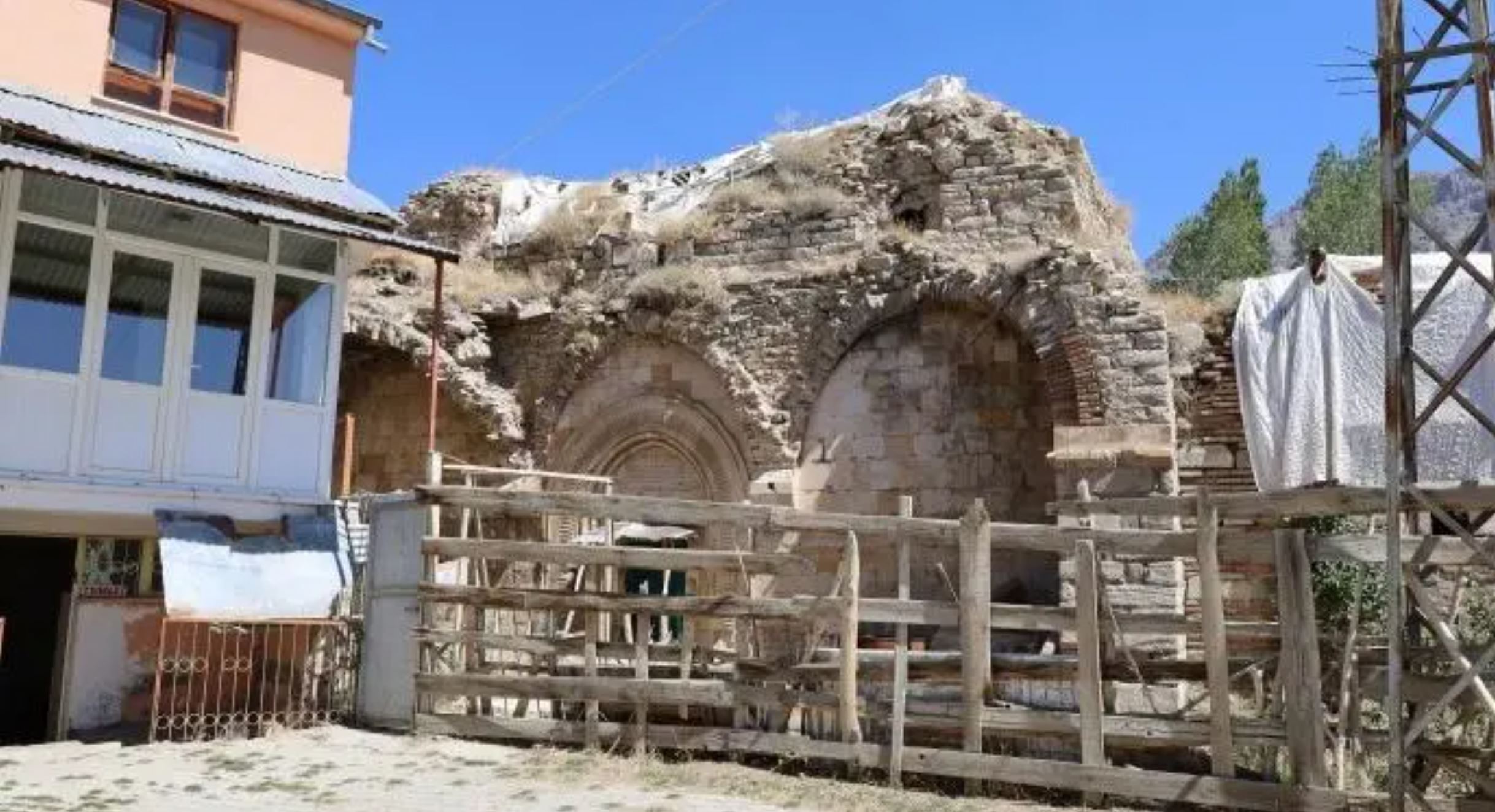
The Armenian Varagavank Monastery and the Urartian fortress of Yoncatepe in the Bakraclı district of Van have fallen into a state of abandonment and disrepair. Locals are urgently calling for measures to preserve both monuments.
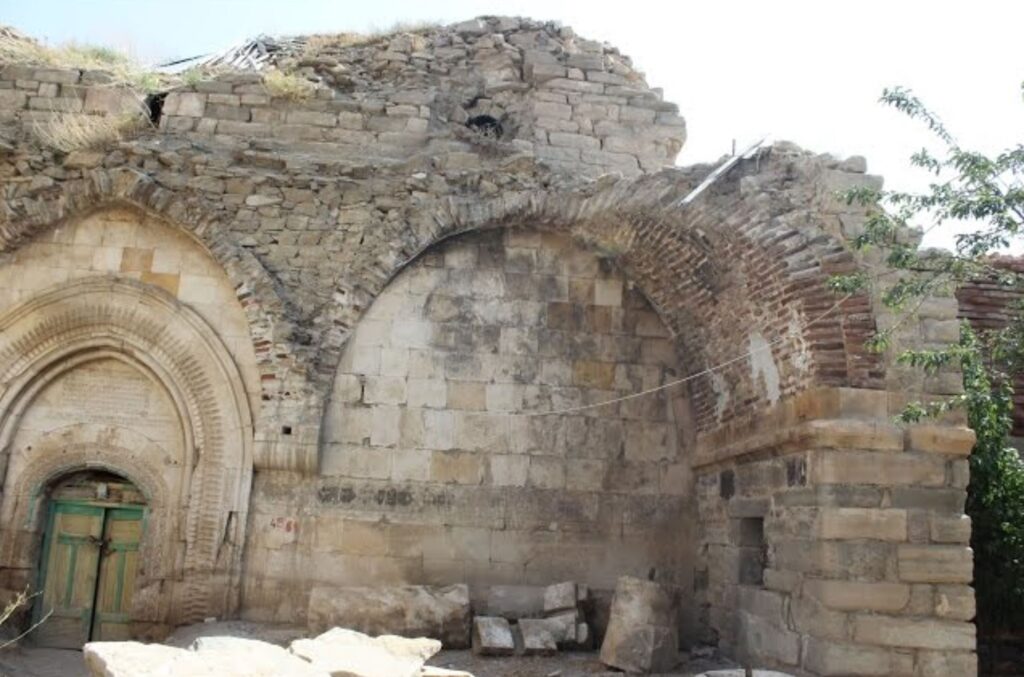
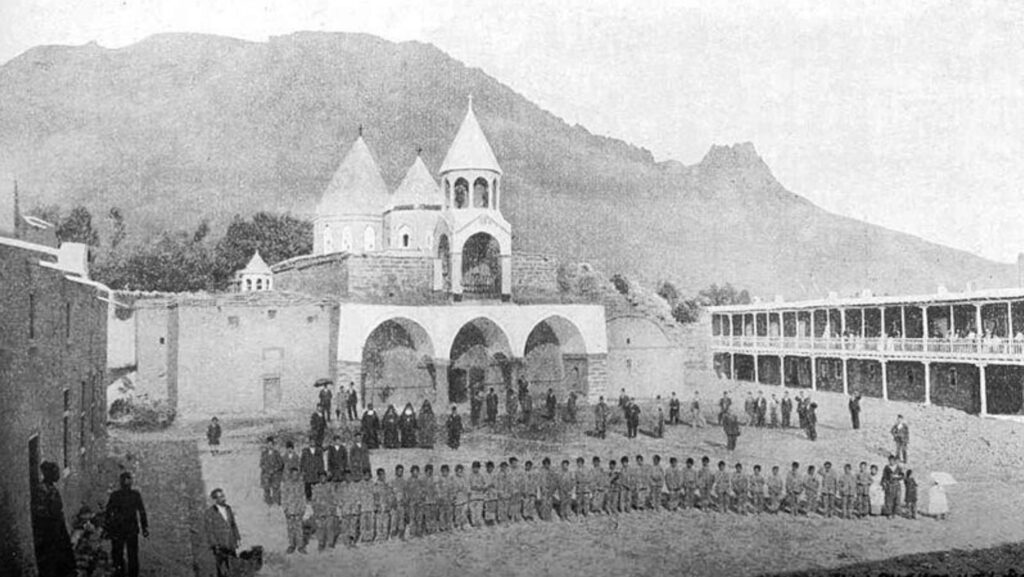
Van, regarded as one of the oldest continuously inhabited cities in the world, is facing the risk of losing key elements of its historical architectural heritage. Varagavank and Yoncatepe are just two of many cultural treasures in danger. According to published reports, the Varagavank Monastery, also known as the Holy Cross of Varaga, which dates back to before Christ, is now almost entirely destroyed. The local population refers to it as the “Seven Churches,” built in the 8th century, Yeni Yasam gazetesi reports.
A Turkish source notes that the Armenian population, including residents of nearby villages, was forced to abandon the monastery during the Armenian Genocide in 1915 and resettle in Yerevan. Left deserted and repeatedly damaged by earthquakes, the monastery has only been partially preserved thanks to efforts by local villagers.
Though the inscriptions and frescoes have been erased and the roof has collapsed, some sections of the monastery have been restored to resemble their original appearance. Each year, descendants of the area’s former Armenian residents visit the monastery and hold religious ceremonies. They leave behind personal items — notes, photos, jewelry — and write in a commemorative journal to record their emotions and memories.
The Yoncatepe fortress, attributed to the Urartian period, has also been left in near-total neglect. It was discovered in 1997 when the monastery’s guard, Mehmet Çoban, spotted a wall while a shepherd was building a house on a hill and found stonework. Excavations began then and continued until 2009, revealing mass graves, clay vessels, and ancient farming tools.
Locals are once again urging authorities to take immediate steps to protect both the monastery and the fortress.
















Subscribe to our newsletter
