Ապրիլ 12, 2026
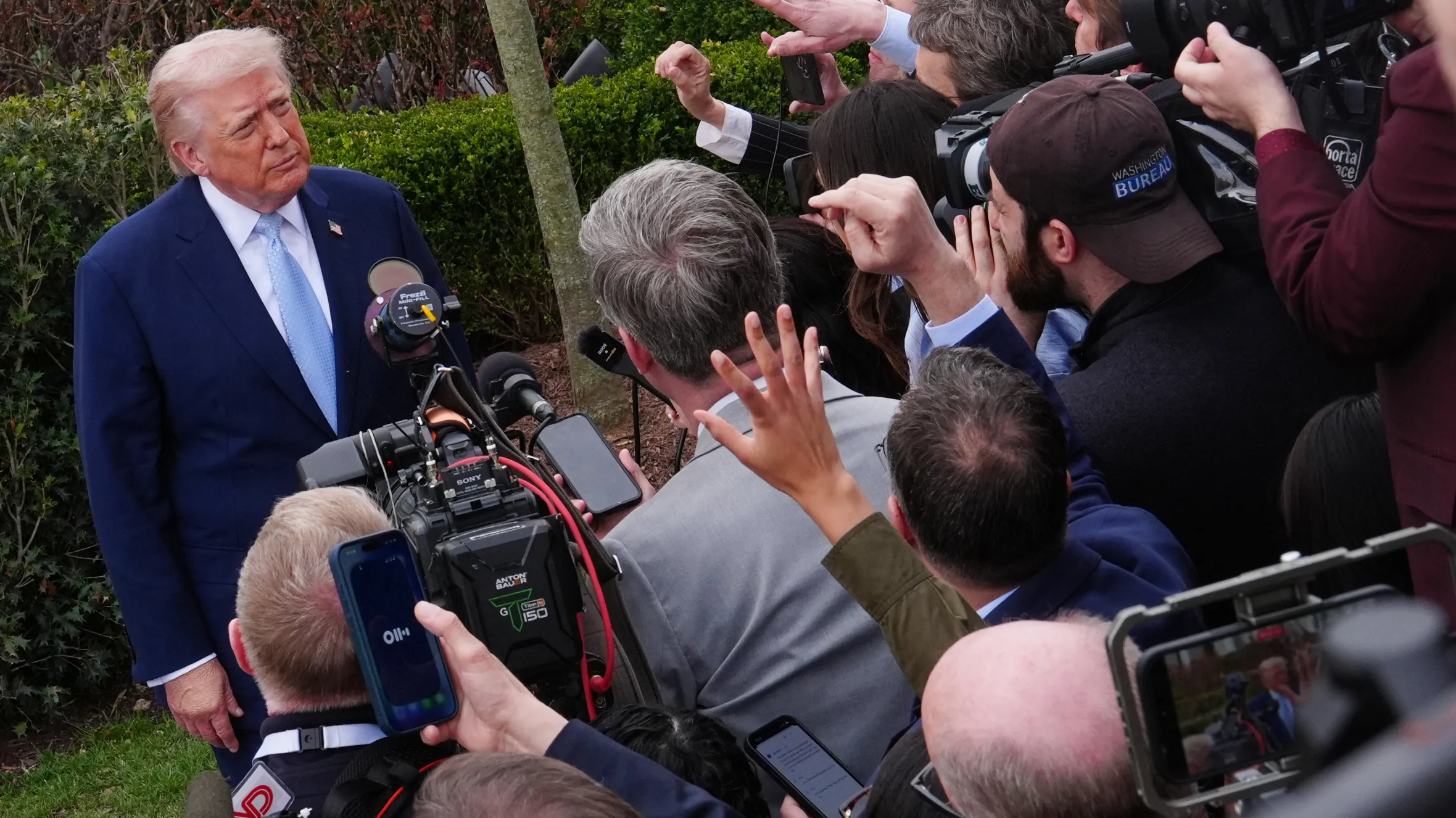
(Horizon Weekly) – Over the past 48 hours, the risk of a broader military escalation in the Middle East has temporarily eased, largely due to intensified international mediation efforts. According to reports by Axios and Reuters, several countries—most notably Turkey, Egypt, and Pakistan—have played a pivotal role in maintaining open lines of communication between Washington and Tehran.
Senior officials from these states have held a series of bilateral meetings and phone conversations with U.S. Special Envoy Steve Witkoff and Iran’s Foreign Minister Abbas Araghchi, aiming to de-escalate tensions and advance diplomatic dialogue.
Meanwhile, Oman has continued to serve as a trusted intermediary, facilitating indirect talks in Geneva and Muscat. These discussions have focused in particular on securing an agreement to reopen the Strait of Hormuz, a critical global shipping route.
The United Kingdom has also joined the diplomatic push. As reported by The Guardian, London has not only backed the negotiations but has been actively involved in backchannel diplomacy, working to prevent potential strikes on vital energy infrastructure across the region.
Amid these coordinated efforts, Iran has signalled its willingness to explore the restoration of maritime navigation. This development helped pave the way for U.S. President Donald Trump’s decision to delay planned military strikes by five days.
Despite public denials from certain factions within Tehran, mediation efforts are continuing behind closed doors, with diplomats racing to secure a lasting understanding before the newly set deadline expires.
















Բաժանորդագրվել
