Public distrust grows as Pashinyan’s support falters
- (0)
(Horizon Weekly / YEREVAN) — A newly released public opinion survey conducted in Armenia in early February paints a picture of a deeply dissatisfied electorate ahead of the country’s June 2026 parliamentary elections, raising questions not only about the government’s standing but also about how such polls are interpreted and presented.
The survey, conducted among 1,506 respondents across Armenia, found that only 47 percent believe the country is moving in the right direction, while 42 percent say Armenia is headed in the wrong direction. These numbers alone point to a country that remains sharply divided after years of political turmoil, security crises and economic pressure.
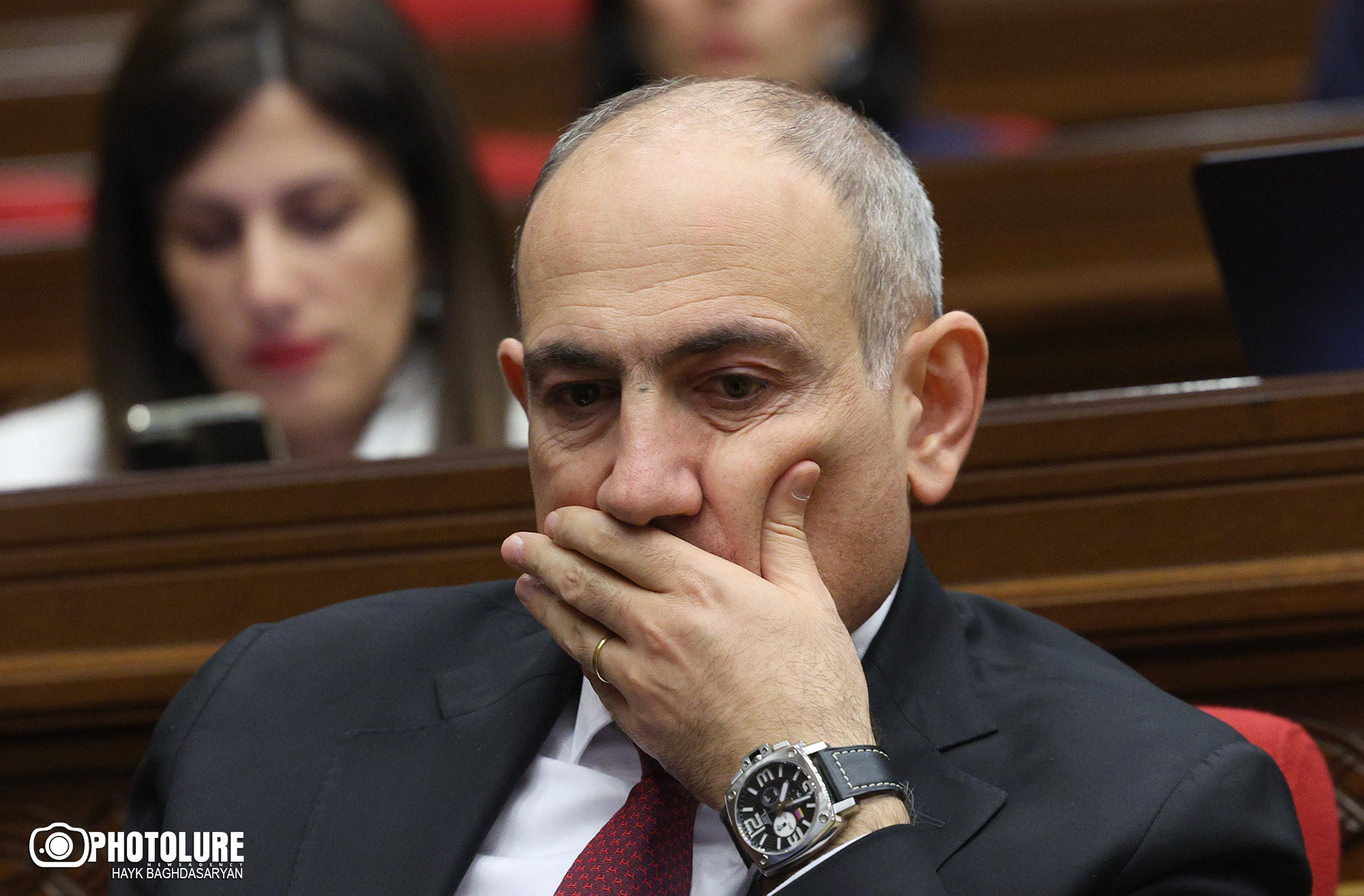
Perhaps even more striking is the level of public distrust toward Armenia’s political leadership. According to the survey, nearly half of respondents say they trust no political leader at all, a figure that far exceeds the support enjoyed by any individual politician. Prime Minister Nikol Pashinyan, despite leading the government for nearly eight years, registers trust from only 18 percent of respondents, while other figures trail behind with single-digit support.
Such numbers raise uncomfortable questions for a government that once claimed overwhelming public legitimacy. After years in power and a series of national crises, Pashinyan’s support appears increasingly narrow and fragile.
Security concerns remain the dominant issue shaping public opinion. National security and border issues were cited as the most pressing problems facing the country, followed by unemployment and rising living costs. These concerns reflect the lingering consequences of the disastrous security situation Armenia has faced in recent years, developments that many critics hold the current government responsible for.
Despite these realities, the poll’s headline figures suggest that Pashinyan’s ruling Civil Contract party would receive 24 percent of the vote if elections were held today. But a closer look reveals a far less stable political picture.
Thirty percent of respondents remain undecided, a number larger than the support base of any single political force. In addition, a notable share of respondents say they would spoil their ballot or abstain from voting altogether. Taken together, these figures indicate that Armenia’s political landscape remains wide open and that a large segment of voters is still searching for an alternative.
The survey also raises broader concerns about how international polling organizations frame Armenia’s political reality. Such polls often emphasize the incumbent government’s relative lead while downplaying the deeper crisis of public confidence reflected in the numbers.
When nearly half of the population says it trusts no political leader and a large portion of voters remain undecided, the claim that the current authorities enjoy a stable political mandate becomes difficult to sustain.
The data instead point to a political environment in which opposition forces could still mobilize substantial public support if they succeed in consolidating and channelling the widespread dissatisfaction that exists across Armenian society.
In this sense, the poll may reveal less about the strength of the current government than about the depth of public frustration with Armenia’s political trajectory — and the growing demand for a credible alternative capable of restoring national security, economic stability and political accountability.