Ապրիլ 02, 2026
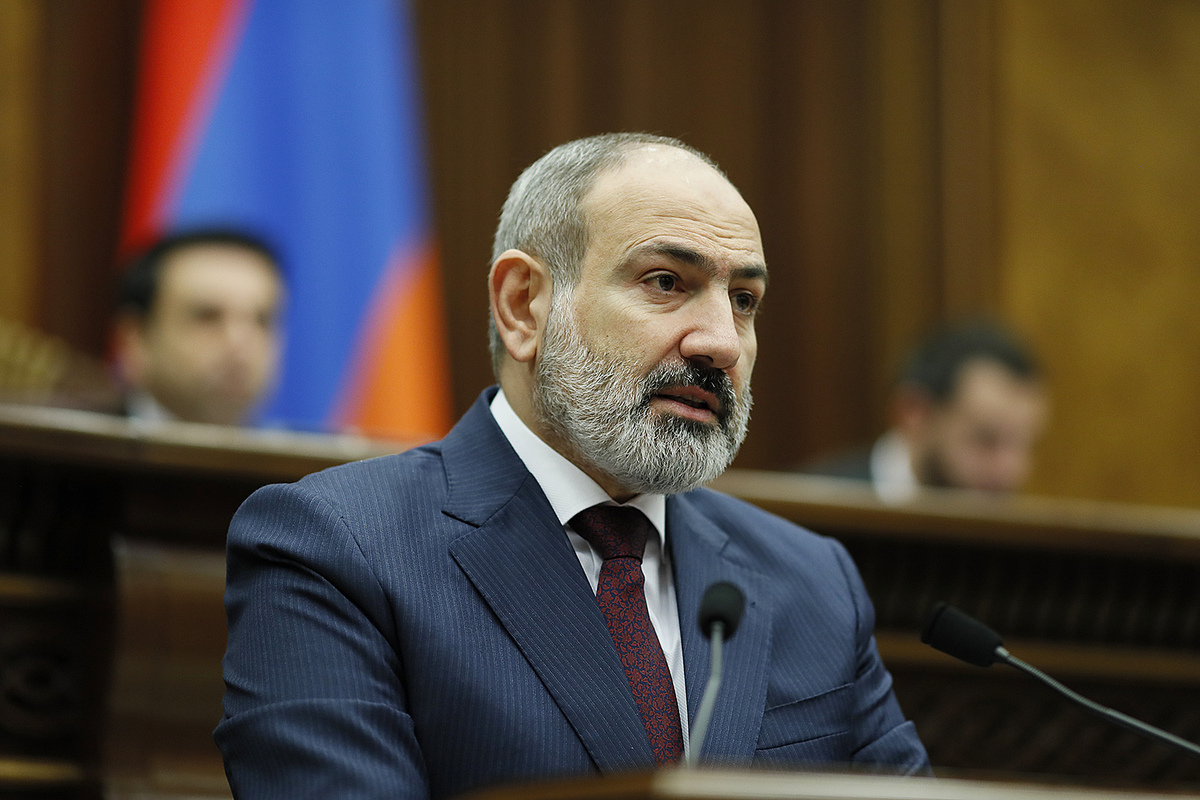
(Horizon Weekly) – Nikol Pashinyan used a press briefing in Hamburg to advance one of his clearest positions to date against the return of Artsakh Armenians, framing the issue as both unrealistic and even dangerous. He simultaneously proposed that Armenia and Azerbaijan create a joint roadmap that would close the topics of “Western Azerbaijan” and the right of return for Armenians displaced from Nagorno Karabakh.
Pashinyan said Azerbaijan continues to reference both “Western Azerbaijan” and “Karabakh Armenians,” and argued that the return question must be taken off the table entirely. “I have told our people from Karabakh that their return is unrealistic,” he said, adding that insisting on this right would mean “restarting the Karabakh movement,” which he declared should not continue. He stressed that this chapter is closed.
His remarks have outraged many, drew criticism among observers who see the right of return as a foundational issue of justice. His repeated efforts to shut down the topic stand in sharp contrast to the position of many displaced Artsakh families who insist that their rights cannot be erased for the sake of political expediency.
Pashinyan also dismissed Baku’s “Western Azerbaijan” narrative as unacceptable. “There can be no Western Azerbaijan in the Republic of Armenia,” he said, adding that if both sides recognize territorial integrity, it must apply fully.
His comments followed Azerbaijan’s criticism of the Armenia EU strategic agenda, which uses the term “displaced Karabakh Armenians.” Baku rejected the wording and claimed the population “left voluntarily,” a characterization widely disputed by Armenian and international rights groups.
Pashinyan’s proposal for a joint roadmap underscores a broader shift in his approach, one that prioritizes ending disputes by closing files rather than defending contested rights. For many in Armenia and the diaspora, his stance raises serious questions about whether key national issues are being negotiated away in the name of political stability.













Բաժանորդագրվել