
Ապրիլ 08, 2026
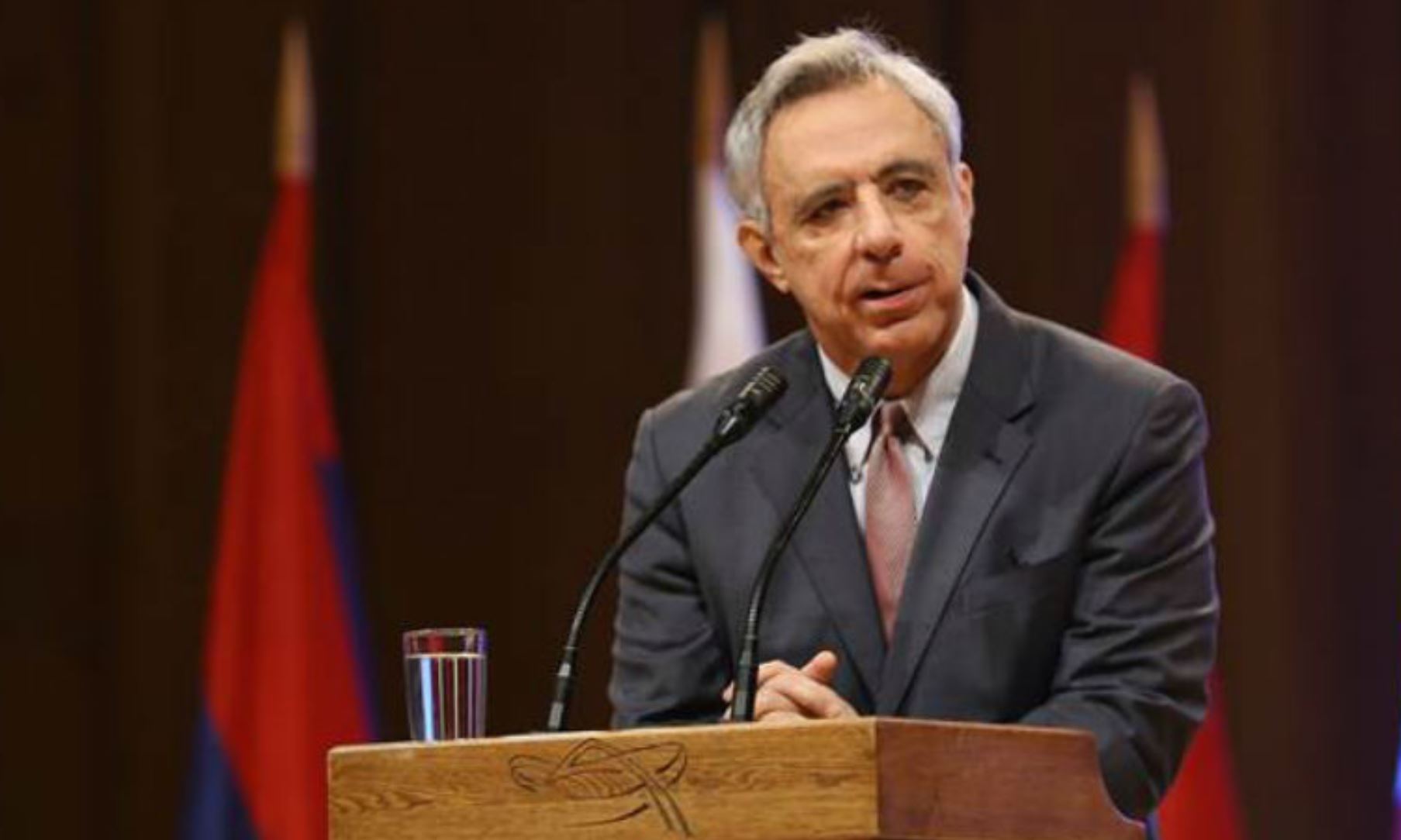
Former Armenian Foreign Minister Vartan Oskanian wrote on Facebook that regardless of how it is packaged, the “Trump Road for International Peace and Prosperity” (TRIPP) proposal means “Armenia agrees to give up part of its sovereign territory.”
He stressed that it makes no difference whether the corridor is administered by Armenia, the U.S., or an “international manager,” leased for 100, 10, or one year, or presented under neutral diplomatic wording. The fact remains, Oskanian said, that Armenia would be agreeing—temporarily or permanently—to relinquish control over a portion of its sovereign land, which is unacceptable.
Oskanian argued that for years the so-called “Zangezur corridor” has been used by Baku as a political weapon to challenge Armenia’s sovereignty and reshape the post-war settlement. Instead of rejecting the demand outright, Washington’s mediation has legitimized it, turning an artificial Azerbaijani claim into a subject of “creative solutions” discussion.
According to him, technical talks on governance models, lease terms, and neutrality draw Armenia into a trap that treats the corridor as inevitable. Once the discussion shifts from whether it should exist to how it should function, the principle of sovereignty is already breached.
He stressed that Armenia has never agreed to grant any country extraterritorial access through Syunik, and Armenian law explicitly prohibits leasing land for such purposes. The “Crossroads of Peace” initiative, proposed by Armenia itself, envisions regional connectivity based on sovereignty, jurisdiction, reciprocity, and equality. In contrast, the TRIPP plan, which would place part of the road under long-term U.S. control, violates all four principles.
Oskanian also noted that Iran has openly warned it will not tolerate any foreign presence in Syunik, describing the region as Armenia’s strategic lifeline and a vital part of the north–south axis. Turning it into a geopolitical bargaining chip, he said, endangers both Armenia’s security and regional stability.
He dismissed arguments that the plan is a “realistic” compromise for advancing peace talks, asking: “What kind of peace starts with undermining one side’s sovereignty?” Alleged neutrality, he argued, becomes meaningless when the mediated corridor fulfills Azerbaijan’s demands.
For genuine peace, Oskanian said, trust must be mutual: if Azerbaijan claims it cannot rely on regular Armenian roads to reach Nakhichevan without the TRIPP corridor, then, by reciprocity, there should be a “TRIPP corridor” in Azerbaijan so Armenians can reach the Caspian Basin safely for trade or travel.
While a Pashinyan–Aliyev–Trump meeting at the White House may be hailed by some as a diplomatic breakthrough, he warned it could cement an unacceptable concession. The corridor issue should never have entered the agenda, and instead of applauding “smart” compromises on its terms, the only principled stance is complete rejection.
On August 8, U.S. President Donald Trump will host Armenian Prime Minister Nikol Pashinyan and Azerbaijani President Ilham Aliyev at the White House. Separate meetings will be followed by a trilateral session, with Trump saying the two leaders will officially sign a peace agreement along with other documents.
















Բաժանորդագրվել

