Leaked Deutsche Bank files link Trump companies to Azerbaijani money-laundering network
- (0)
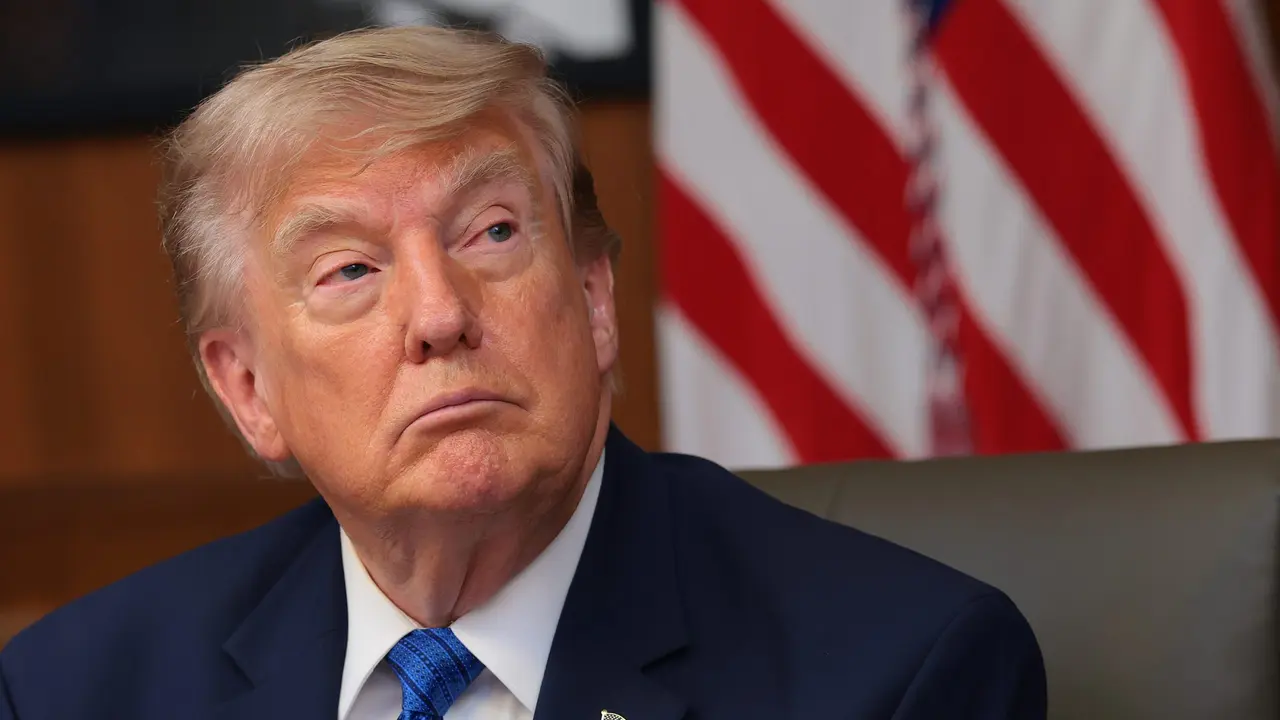
Newly leaked Deutsche Bank documents have revealed financial transactions linking companies owned by U.S. President Donald Trump to entities associated with major money-laundering operations in Azerbaijan and Russia, raising fresh questions about his business dealings and the movement of funds connected to Azerbaijan’s ruling elite.
The findings, published November 17 as part of the international Inside Deutsche Bank investigation, are based on more than 15 million confidential banking documents examined by over 200 journalists from more than 50 news organizations, including Le Monde, Der Spiegel and the Financial Times.
According to the investigation, two Trump-owned companies, DT Marks Baku LLC and THC Baku Services LLC, received more than $3 million in payments involving entities reportedly connected to the Azerbaijani and Russian money-laundering networks.
Among the transactions was a payment of $141,261.82 made on April 28, 2015, to THC Baku Services LLC by Faberlex LP, a Scottish shell company previously identified as a central participant in the notorious Azerbaijani Laundromat.
The payment was connected to Trump’s proposed luxury hotel development in Baku, the Trump International Hotel & Tower, which involved business partners linked to the influential Mammadov family, including relatives of Azerbaijan’s former transport minister, Ziya Mammadov. The investigation did not establish that the family was involved in the suspicious transactions.
The Azerbaijani Laundromat, first exposed in 2017 by the Organized Crime and Corruption Reporting Project (OCCRP), involved approximately $2.9 billion moved through offshore companies and European financial institutions between 2012 and 2014. The operation was used to conceal questionable financial transactions, benefit figures connected to Azerbaijan’s ruling establishment and purchase political influence abroad, including among European officials.
The newly uncovered documents indicate that Faberlex, which received financing from Azerbaijan’s state-owned telecommunications company Baktelecom, transferred funds through accounts at Danske Bank’s Estonian branch, a financial institution central to the laundering operation.
A confidential Deutsche Bank memorandum from May 2020 confirmed that the bank had identified multiple suspicious transactions involving Trump’s Baku-related companies. The bank had filed a Suspicious Activity Report with U.S. authorities in January 2020 specifically identifying the two companies in connection with the Azerbaijani Laundromat.
The memorandum, however, explicitly stated that Trump himself had not been identified as a suspect. The existence of suspicious transactions does not establish that he personally participated in money laundering or knew that the funds originated from illicit activities.
The revelations also raise questions about Deutsche Bank’s compliance practices and its earlier representations to U.S. authorities concerning potential connections between Trump’s businesses and Russian financial networks.
Deutsche Bank declined to discuss individual client relationships or suspicious activity reports, while Trump’s representatives did not respond to requests for comment from the investigative consortium.
The disclosures add a significant financial dimension to longstanding concerns about the Azerbaijani government’s use of opaque banking networks to move funds internationally and cultivate political and commercial relationships abroad.