
Canada signals shift toward a tighter immigration system in 2026
- (0)
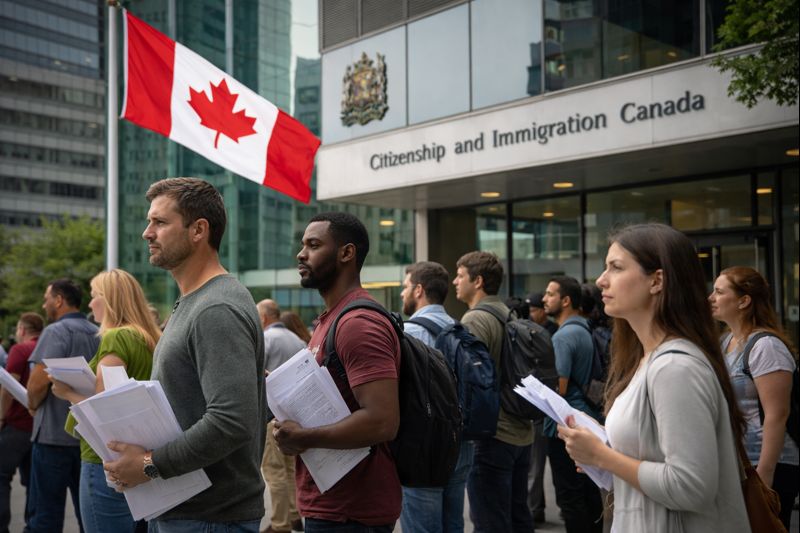
(Horizon Weekly) – Canada’s immigration system is entering a markedly different phase in 2026, as the federal government moves away from record-high intake levels toward a tighter and more selective framework. New targets and regulatory changes coming into force this year indicate a clear recalibration, driven by mounting pressure on housing, public services, and infrastructure, as well as growing political scrutiny of population growth.
According to federal projections, Canada will admit approximately 380,000 new permanent residents in 2026, a modest decline from recent years but a symbolic departure from the expansionary approach adopted during and immediately after the pandemic. More significantly, however, is the sharp reduction in temporary residents. Ottawa plans to cut the number of new temporary workers and international students by nearly half compared to 2025, signalling an effort to slow overall population growth while retaining greater control over labour market outcomes.
International students are among those most affected. The federal government has set a cap of roughly 155,000 new study permits for 2026, a dramatic reduction that reflects concerns about housing shortages and the rapid expansion of certain private and public colleges. While graduate students at the master’s and doctoral levels will benefit from some eased requirements, the overall message is clear: Canada is no longer seeking large volumes of international students and is instead prioritizing quality, capacity, and long-term integration.
Temporary workers will also face a more constrained system, though federal policy places increasing emphasis on transitioning those already in Canada to permanent status. Ottawa has indicated that tens of thousands of temporary residents may be shifted into permanent immigration streams over the next two years, reinforcing a broader strategy of prioritizing in-country applicants over new arrivals.
At the same time, Canada’s economic immigration programs are becoming more competitive. The Express Entry system continues to favour candidates with strong language skills, Canadian work experience, and backgrounds in sectors facing persistent labour shortages, such as healthcare and skilled trades. Recent draws have underscored the government’s preference for higher-scoring applicants, reflecting a more selective approach to economic migration.
Provinces remain key players in this evolving landscape, though their room for maneuver is narrowing. Provincial Nominee Programs are expected to operate under tighter federal allocations in 2026, forcing provinces to refine their priorities and, in some cases, suspend or redesign immigration streams. This is likely to have a direct impact on international graduates and regional labour strategies, particularly outside major urban centres.
Collectively, these changes mark a turning point in Canada’s immigration policy. After years of expansion, the system is being reshaped to emphasize sustainability, economic alignment, and political manageability. For prospective immigrants, the implications are clear: 2026 will be a more competitive year, with fewer opportunities for entry and a stronger preference for candidates who already have a foothold in Canada and can quickly integrate into the labour market.
For Canada, the shift reflects a broader national debate over growth, capacity, and social cohesion — one that is now decisively influencing immigration policy.