
Canada announces new federal tax rates and benefit changes for 2026
- (0)
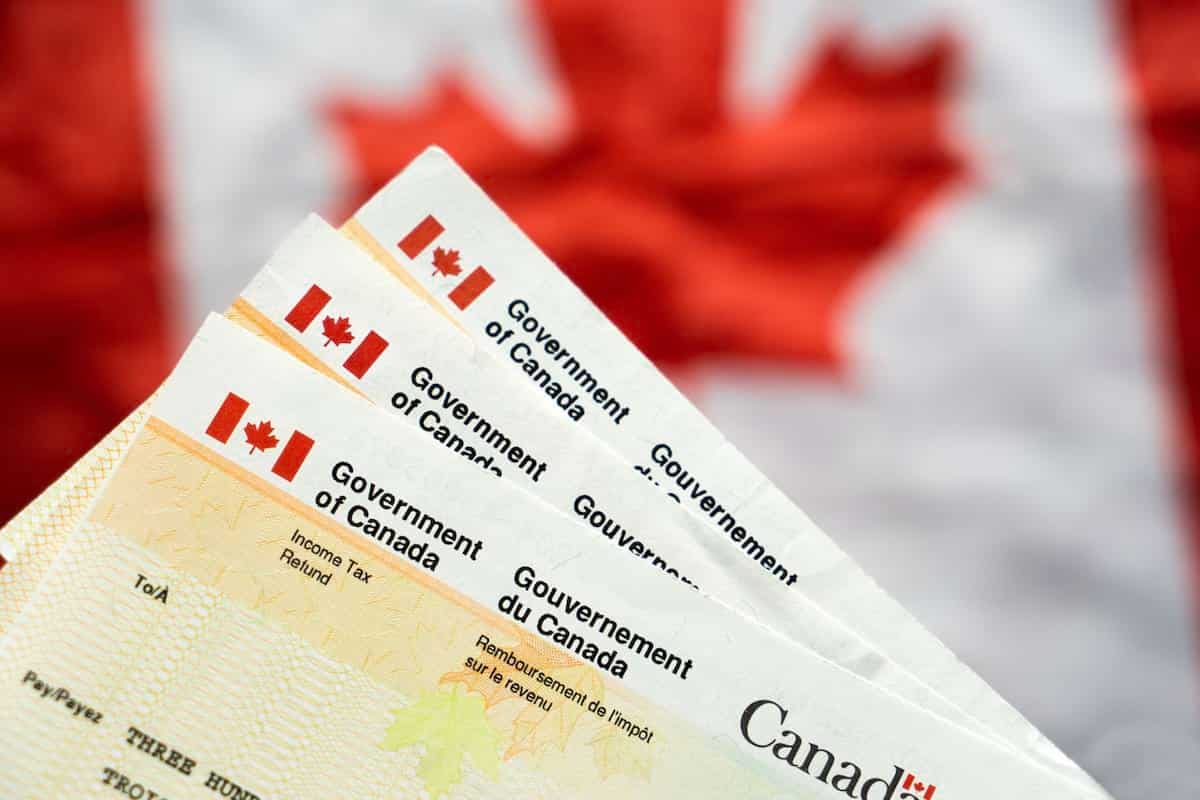
Canadians can expect several federal tax and benefit changes in 2026, as the Canada Revenue Agency (CRA) has released updated income tax brackets, credit amounts and contribution limits adjusted for inflation. The changes, most of which take effect on January 1, will influence how much income Canadians keep after deductions.
The CRA uses the Consumer Price Index to index tax brackets each year. For 2026, the inflation adjustment is two per cent, down from recent years when inflation was significantly higher.
Updated Federal Tax Brackets
Beginning in 2026, the following federal income tax brackets will apply:
- Income up to $58,523 taxed at 14 per cent
- Income from $58,523 to $117,045 taxed at 20.5 per cent
- Income from $117,045 to $181,440 taxed at 26 per cent
- Income from $181,440 to $258,482 taxed at 29 per cent
- Income above $258,482 taxed at 33 per cent
Provinces and territories will continue applying their own brackets independently, also indexed for inflation.
Basic Personal Amount Increased
The basic personal amount (BPA)—the portion of income exempt from federal tax—will rise to $16,452 in 2026. Canadians earning up to $181,400 may claim the full non-refundable credit, which is worth $2,303 at the 14 per cent rate. For higher-income earners, the BPA phases down to $14,829, yielding a credit of $2,076.06.
Changes to Employment Insurance Contributions
Employment insurance (EI) premiums will rise slightly next year.
• Employees will contribute 1.63 per cent, up to a maximum of $1,123.07.
• Employers will contribute 2.28 per cent, up to $1,572.30.
The maximum insurable earnings for EI in 2026 will increase to $68,900.
CPP Contribution Limits Adjusted
Canada Pension Plan (CPP) contribution rates will remain at 5.95 per cent for both employees and employers. The maximum contribution for each in 2026 will be $4,230.45. The year’s maximum pensionable earnings (YMPE) will rise to $74,600. Income above that level will not be subject to basic CPP deductions.
A second CPP tier applies to earnings between $74,600 and $85,000 at a rate of four per cent, with a maximum contribution of $416. Self-employed individuals must pay both portions, totalling 11.9 per cent, with a maximum combined contribution of $4,230.45. The basic exemption will remain at $3,500.
Canada Child Benefit Increases
Families receiving the Canada Child Benefit will see a two per cent increase.
• The annual amount for children under six will rise to $8,157.
• The amount for children aged six to seventeen will rise to $6,883.
The income threshold at which benefits begin to phase out will increase to $38,237.
TFSA and RRSP Limits
The annual contribution limit for Tax-Free Savings Accounts will remain at $7,000 for 2026. The RRSP contribution limit will increase slightly to $33,810.
Old Age Security Threshold
The income threshold at which Old Age Security (OAS) benefits begin to be clawed back will be $95,353 in 2026. Those whose net income exceeds this amount will see their OAS payments reduced.
These adjustments, though modest in many areas, reflect slower inflation and are intended to provide stability to taxpayers and benefit recipients in the year ahead.
Sources: Department of Finance Canada, CTV News.