Budget watchdog raises concerns over $331.6 billion in new federal spending measures
- (0)
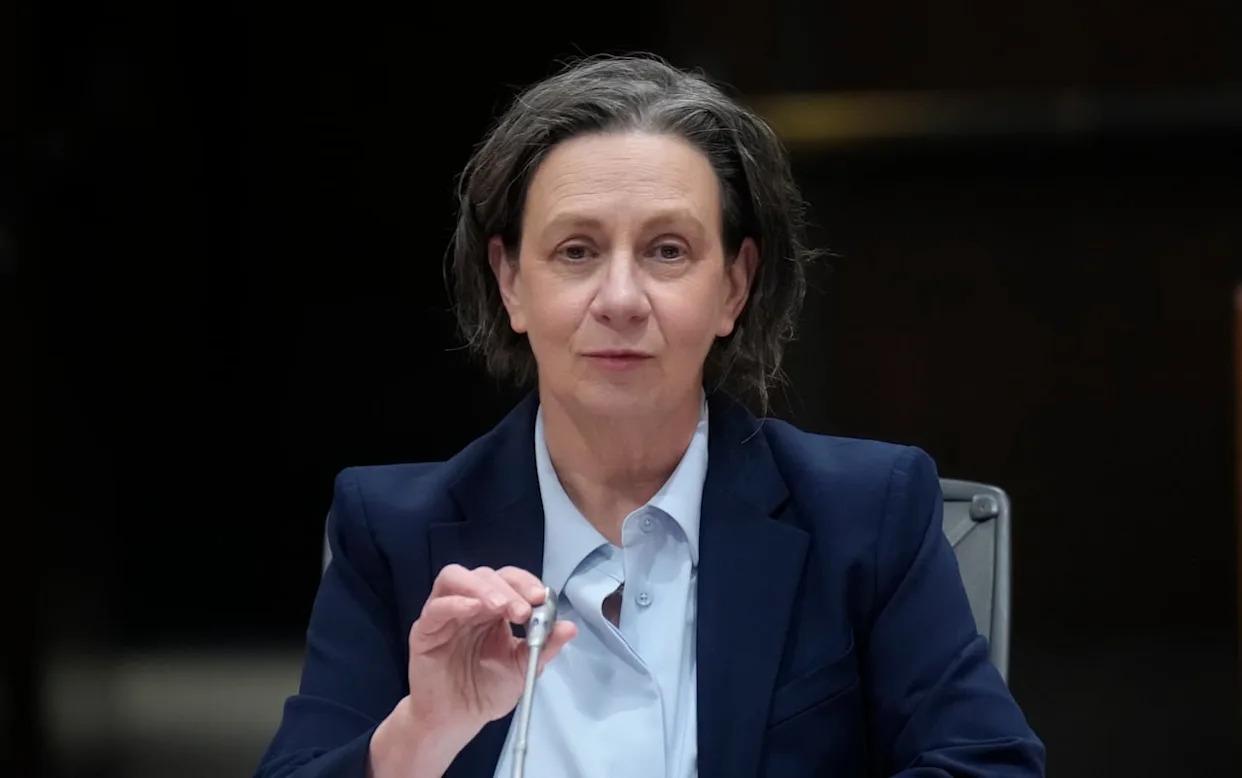
OTTAWA — Canada’s parliamentary budget officer has raised concerns about the federal government’s spending priorities after finding that Prime Minister Mark Carney’s administration has introduced $331.6 billion in new measures across its three most recent fiscal plans.
In a series of reports released November 17, Parliamentary Budget Officer Annette Ryan questioned whether the Liberal government is delivering on its commitment to reduce operating expenses while increasing investment in projects intended to strengthen the Canadian economy.
The analysis examined the 2025 federal budget, the 2026 spring economic update and the government’s latest budget, tabled earlier this month.
According to the watchdog, approximately 60 per cent of the new measures concern ongoing government operations and related expenditures rather than capital investments.
The Parliamentary Budget Office also found that Ottawa has committed 96 per cent of the additional fiscal room created by stronger-than-expected revenues to new spending and tax measures over the next five years.
Without those additional commitments, the federal deficit for the current fiscal year could have fallen to approximately $43.8 billion.
Although the government’s latest fiscal projections indicate that Ottawa could meet its announced budgetary targets, the watchdog warned that the margins remain narrow and vulnerable to weaker economic performance.
The reports also questioned progress on housing construction, noting that the government is not on track to meet its earlier commitment to double housing starts.
Carney’s government maintains that increased investment is essential to strengthen infrastructure, defence capabilities and economic competitiveness amid continuing international trade uncertainty.
The findings nevertheless add to growing parliamentary scrutiny over federal borrowing, the sustainability of public finances and whether Ottawa’s spending plans are consistent with the government’s own fiscal commitments.