Armenia Under Foreign Control
- (0)
By Vahe Andonian
Vancouver
When this regime came to power, it promised prosperity, justice, and a national revival. Eight years later, those promises have crumbled into dust. The state budget for 2026, presented by the government, serves as a stark record of failure. Where officials once projected a 9% economic growth under favorable conditions, the reality is a plummeting economy that now hovers around 5.2% to 5.4%. Exports have dwindled, while the country faces a burgeoning financial abyss. The national debt, which stood at $15 billion at the end of this year, is projected to soar to 6 trillion Armenian drams by 2026. Authorities struggle even to assess its broader impact. The Central Bank has reported over 330,000 irrecoverable loans, and alarmingly, three-quarters of the population earn less than the average wage.
“All these facts were checked and cleared and listed at the budget critics press conference
On November 14 2025 by
deputies of the
“Armenia” faction of the National Assembly Lilit Galstyan and Artur Khachatryan .”
At first glance, a visitor or Diaspora Armenian strolling through central Yerevan might be charmed by bustling cafés, renovated boulevards, and an apparent sense of progress. However, these vibrant streets—developed and nurtured by previous governments that Nikol criticized from the beginning—are mere façades. Beneath this polished exterior lies a sobering truth: a nation increasingly weakened socially, economically, and morally.
The social strata comprising nearly forty percent of Armenia’s population—the working poor, the displaced, and the forgotten—have experienced a deterioration in their living conditions instead of the promised improvement. Rather than moving towards prosperity, Armenia has slipped into a state of insecurity.
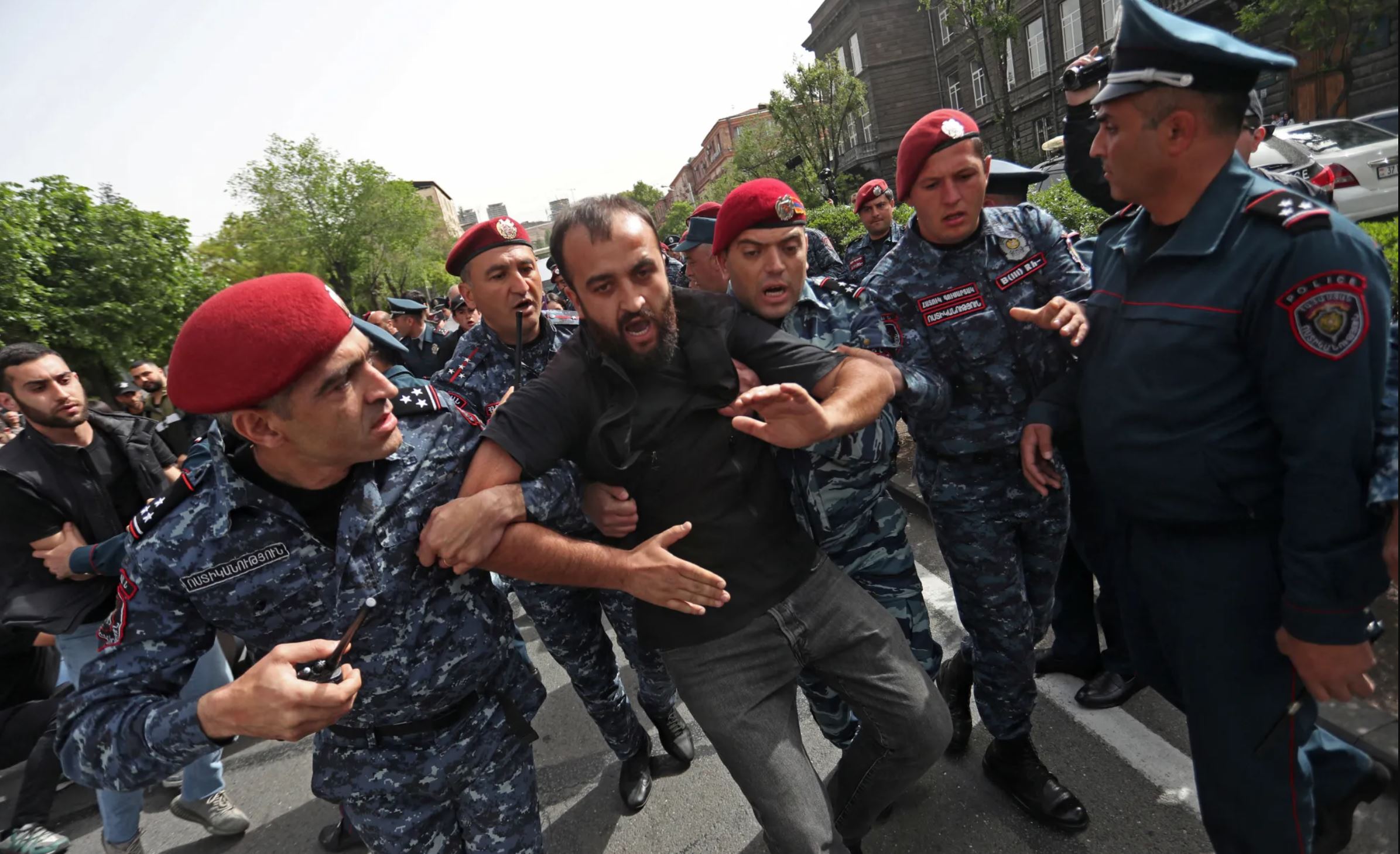
Furthermore, the government has escalated attacks on churches reporters bloggers and attempts to undermined the influence of the Armenian Revolutionary Federation (ARF), an organization that has long stood as a pillar of national identity. These actions reflect a broader agenda that seeks to erode Armenia’s cultural , national ideology and spiritual foundations.
In a revealing statement, the so-called Prime Minister has asserted that the budget will not focus on building a capable army, but rather a “defensible” one. This admission underscores the alarming trajectory of Armenia’s security and the leadership’s failure to address the nation’s pressing needs.
The upcoming 2026 elections will be decisive. Citizens in Vagharsapat, Ejmiatsin, Gyumri, and other communities are being called to reject the ruling party, reject those who denied Artsakh, and reject attacks against the Church. They are urged to choose dignity, competence, and true national interest, rather than politicians serving foreign agendas or spreading lies and hatred. The people have already shown, as in Gyumri, that when they unite, they can stop the government’s destructive course.
This is not just a political struggle; it is a civilizational one. The nation’s survival depends not on an illegitimate government, but on the will of its people and the resilience of its institutions—especially the Armenian Church and the ARF, which remain bastions of faith, culture, and national identity. One wrong choice in 2026 could repeat the disasters of the past. Now, more than ever, the Armenian people must stand firm to protect their homeland, their dignity, and their future.